
مقدمة عن ظاهرة تعامد الشمس على الكعبة
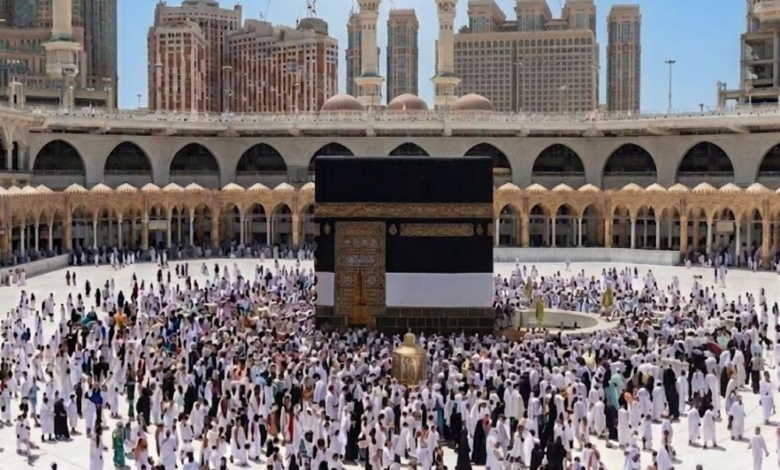
في مشهد فلكي دقيق يحظى باهتمام واسع من قبل المختصين والمسلمين حول العالم، كشف المهندس ماجد أبوزاهرة، رئيس الجمعية الفلكية بجدة، أن سماء مكة المكرمة ستشهد يوم الخميس الموافق 28 مايو 2026، ظاهرة تعامد الشمس على الكعبة المشرفة. سيحدث هذا التعامد بالتزامن مع وقت أذان الظهر تقريباً، وتحديداً عند الساعة 12:17 ظهراً بتوقيت مكة المكرمة.
تعتبر هذه الظاهرة من أبرز الأحداث الفلكية المرتبطة بالحسابات الجغرافية الدقيقة، حيث تصل الشمس إلى موقعها الظاهري فوق الكعبة المشرفة لتصبح أشعتها عمودية تماماً عليها. هذا الحدث الكوني لا يمثل فقط مشهداً بديعاً، بل يقدم فرصة عملية ومباشرة للتحقق من دقة تحديد اتجاه القبلة دون الحاجة إلى استخدام أدوات قياس معقدة أو تطبيقات إلكترونية.
التفاصيل العلمية والفلكية للظاهرة
أوضحت الحسابات الفلكية أن ارتفاع الشمس يوم الأربعاء 27 مايو سيبلغ نحو 89.89 درجة، بفارق 0.11 درجة فقط عن التعامد الكامل. أما في يوم الخميس 28 مايو، فسيصل ارتفاع الشمس إلى 89.94 درجة، بفارق ضئيل جداً يقارب 0.06 درجة عن التعامد الكامل (أي ما يعادل 3.6 دقائق قوسية). هذا يجعل يوم 28 مايو هو الأقرب للتعامد الكامل للشمس فوق الكعبة المشرفة خلال ذلك العام.
تحدث ظاهرة التعامد نتيجة لميل محور دوران الأرض بزاوية قدرها 23.44 درجة، مما يؤدي إلى الحركة الظاهرية للشمس بين مداري السرطان والجدي. وبما أن مكة المكرمة تقع على خط عرض 21.4 درجة شمالاً، فإن الشمس تمر فوقها مرتين سنوياً؛ الأولى أثناء انتقالها شمالاً في أواخر شهر مايو، والثانية عند عودتها جنوباً خلال شهر يوليو. في لحظة التعامد، تختفي ظلال الأجسام العمودية في محيط مكة المكرمة بشكل شبه كامل لتواجد الشمس في نقطة السمت.
السياق التاريخي لاستخدام الفلك في الإسلام
تاريخياً، لعب علم الفلك دوراً حيوياً في الحضارة الإسلامية، حيث برع العلماء المسلمون الأوائل في دراسة حركة النجوم والشمس لتحديد أوقات الصلاة واتجاه القبلة. قبل اختراع البوصلة وأجهزة تحديد المواقع العالمية (GPS)، كانت ظاهرة تعامد الشمس على الكعبة تُستخدم كمعيار ذهبي لتصحيح اتجاهات المحاريب في المساجد القديمة الممتدة من الأندلس غرباً وحتى أقاصي آسيا شرقاً. إن استمرارية الاعتماد على هذه الظاهرة الطبيعية يعكس التوافق التام بين الحقائق العلمية والممارسات الدينية التي توارثتها الأجيال.
الأهمية العملية وكيفية تحديد القبلة
تكتسب هذه الظاهرة أهمية عملية كبرى، محلياً وإقليمياً ودولياً. فعلى الصعيد المحلي، تؤكد دقة الحسابات الفلكية والنماذج الجغرافية الكروية للأرض. أما إقليمياً ودولياً، فهي تمنح ملايين المسلمين في دول الخليج العربي، والدول العربية، والمناطق التي تكون فيها الشمس ظاهرة وقت الحدث، أداة طبيعية مجانية لتحديد القبلة بدقة متناهية.
لتطبيق هذه الطريقة، يكفي وضع جسم شاخص عمودي (مثل عصا أو عمود خشبي) في منطقة مكشوفة وقت التعامد (12:17 ظهراً بتوقيت مكة). سيشير اتجاه الظل الناتج عن هذا الجسم إلى الجهة المعاكسة تماماً لاتجاه الكعبة المشرفة. تعتبر هذه الطريقة من أبسط وأدق الوسائل الطبيعية، وتستخدم حتى اليوم في المدارس الفلكية لتوضيح مفاهيم الإحداثيات السماوية وحركة الأرض، مما يبرز عظمة الكون ودقة تنظيمه.