
In an exceptional astronomical event reflecting the peak of our current solar cycle, global observatories have recorded intense solar activity over the past 24 hours. This activity consisted of five powerful X-class solar flares, the most intense and impactful category on the solar flare classification scale, leaving scientists and space weather experts on high alert for the potential effects of these flares on Earth.
Peak of the solar cycle 25
Commenting on this event, astronomer Mulham Muhammad Hindi confirmed that this dramatic surge in solar activity is not entirely unexpected, but rather falls within the scientific predictions for the 25th solar cycle. Hindi explained that this cycle, which effectively began in 2019 and extends until 2030, is currently experiencing its "solar maximum" phase in 2025. This phase is typically characterized by a significant increase in the number of sunspots and the frequency of powerful solar flares, which explains the high intensity of flares recently recorded.
Astronomical researcher Mulham Muhammad Hindi
What are X-Class explosions?
To understand the scale of the event, it's important to note that scientists classify solar flares into categories (A, B, C, M, and X) based on their radiative intensity, with category X being the most powerful. Each category represents a tenfold increase in energy compared to the preceding one. Therefore, five such flares occurring in a single day strongly indicate severe disturbance in the Sun's magnetosphere, releasing enormous amounts of energy equivalent to millions of hydrogen bombs detonated simultaneously.
The relationship between sunspots and solar flares
Hindi pointed out that the primary source of these explosions is sunspots, dark regions on the Sun's surface characterized by highly complex and intense magnetic activity. When the magnetic field lines in these spots become entangled, then break and reconnect abruptly, enormous energy is released in the form of flares and coronal mass ejections. He added that the increasing number and size of these spots directly and proportionally impacts the intensity and frequency of the explosions.
successive effects on Earth
The astronomical researcher explained that the effects of these explosions reach Earth through a gradual, time-based scenario:
- Immediate impact: Light and radiation (X-rays and ultraviolet) reach Earth in just 8 minutes, potentially causing sudden ionization in the upper atmosphere, leading to a temporary interruption of high-frequency (HF) radio communications and momentary disruption of GPS navigation systems.
- Radiation storms: These are followed by solar winds laden with high-energy particles, which may pose a biological hazard to astronauts outside the atmosphere, and increase the technical load on solar panels and satellite control systems.
Magnetic storms and auroras
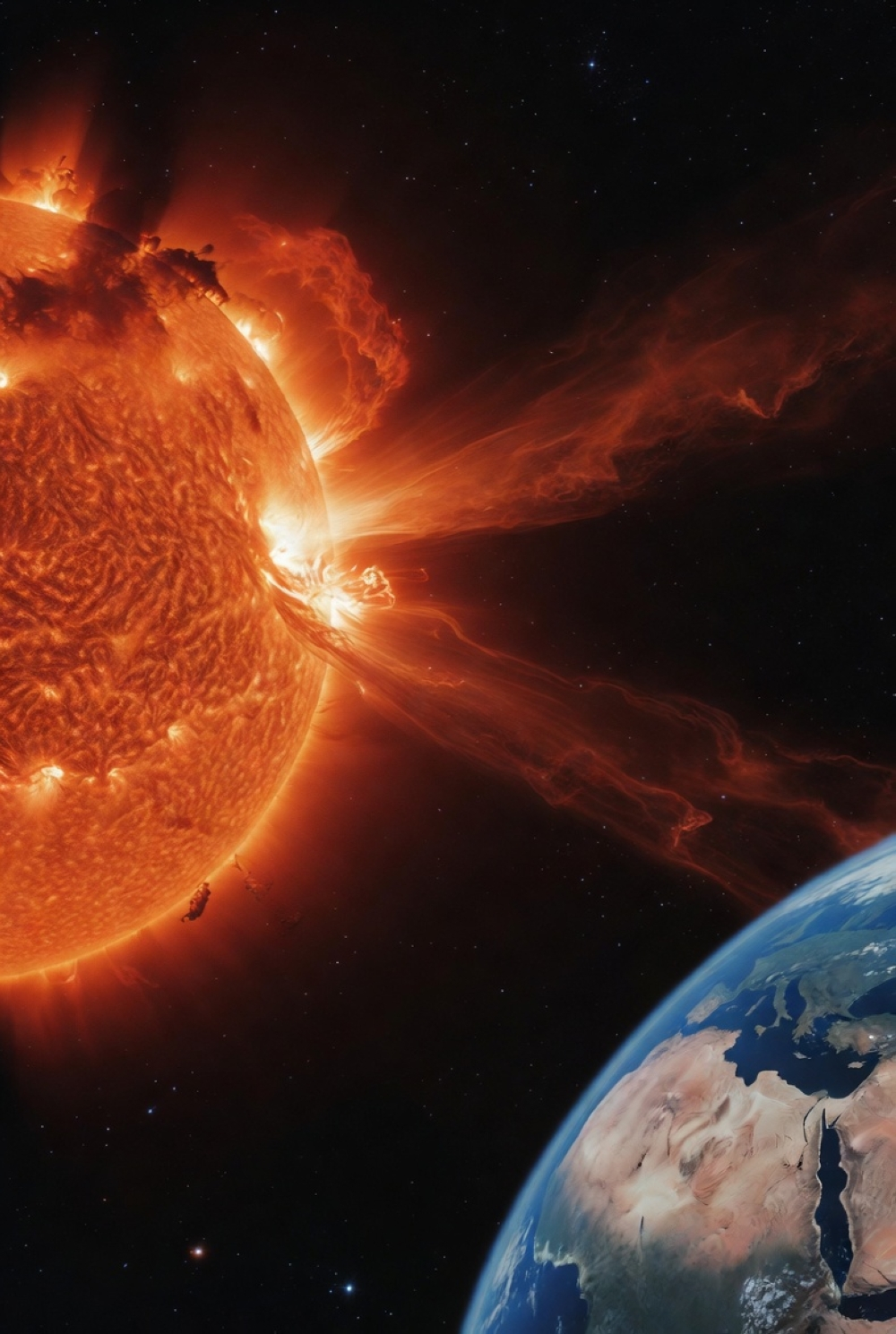
Hindi added that the most dangerous phase could come later if these explosions are accompanied by a coronal mass ejection (CME), which is a giant cloud of charged plasma. When these clouds reach Earth, they collide with the planet's magnetic field, generating geomagnetic storms. These storms could cause fluctuations in terrestrial power grids, especially at high latitudes, and could increase atmospheric resistance to low-orbit satellites.
One of the aesthetic aspects of this intense activity is the increased opportunity to observe the “Aurora Borealis” phenomenon with its stunning colors, which may extend to be seen in geographical areas that are narrower than usual, far from the poles, as visual evidence of the interaction of the solar wind with our atmosphere.