
جهود استثنائية في تموين الحجاج بمكة المكرمة
في إطار الاستعدادات الضخمة التي توليها حكومة المملكة العربية السعودية لخدمة ضيوف الرحمن، أعلنت وزارة التجارة عن تحقيق أرقام قياسية في حجم الإمدادات التموينية. حيث تجاوز إجمالي الكميات الموردة إلى الأسواق ومنافذ البيع في مكة المكرمة والمشاعر المقدسة، منذ بداية شهر ذي الحجة، أكثر من 243 مليون سلعة تموينية أساسية. تأتي هذه الخطوة الاستراتيجية لضمان تلبية كافة احتياجات الحجاج وتوفير بيئة مريحة وآمنة لهم لأداء مناسكهم بكل يسر وسهولة، مع التركيز على السلع الحيوية مثل الخبز، المياه الصحية المعبأة، الألبان، المرطبات، والثلج.
السياق التاريخي واللوجستي لإدارة الحج
تُعد إدارة موسم الحج واحدة من أكبر العمليات اللوجستية على مستوى العالم، حيث تتطلب تنظيم وتوفير احتياجات ملايين البشر الذين يتجمعون في رقعة جغرافية محددة خلال فترة زمنية قصيرة. تاريخياً، أخذت المملكة العربية السعودية على عاتقها مسؤولية تطوير البنية التحتية والخدمات المقدمة للحجاج عاماً بعد عام. ومع إطلاق رؤية المملكة 2030، أصبح الارتقاء بجودة الخدمات المقدمة لضيوف الرحمن هدفاً استراتيجياً، مما دفع كافة القطاعات، وعلى رأسها وزارة التجارة، إلى العمل بخطط استباقية تعتمد على التنبؤ الدقيق بالاحتياجات وضمان استدامة سلاسل الإمداد دون أي انقطاع.
تفاصيل السلع والخدمات المقدمة لحجاج بيت الله الحرام
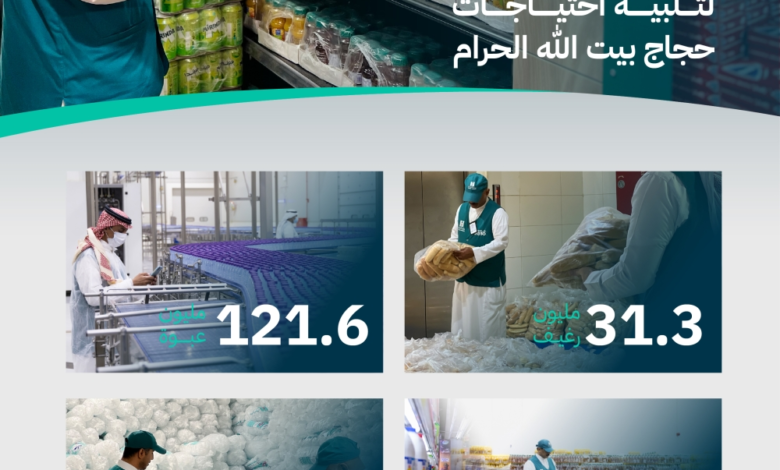
لضمان راحة الحجاج في ظل الظروف المناخية والحركية المستمرة، ركزت وزارة التجارة على توفير السلع الأكثر استهلاكاً. وقد توزعت الكميات الموردة إلى منافذ البيع لتشمل حوالي 31.3 مليون رغيف خبز، وأكثر من 121.6 مليون عبوة مياه صحية معبأة، وهي العنصر الأهم للحفاظ على صحة الحجاج ووقايتهم من الإجهاد الحراري. إلى جانب ذلك، تم ضخ أكثر من 82.2 مليون عبوة من الألبان والعصائر والمرطبات، فيما تجاوزت كميات الثلج الموردة 7.9 مليون قالب، لتوفير التبريد اللازم للأطعمة والمشروبات في مختلف المخيمات والمرافق.
وفرة الإنتاج اليومي والرقابة المستمرة
للحفاظ على هذا الزخم التمويني، يبلغ متوسط الإنتاج اليومي المخصص لمكة والمشاعر أكثر من 8.8 ملايين رغيف خبز، و32.6 مليون عبوة مياه، و24.7 مليون عبوة ألبان وعصائر، بالإضافة إلى أكثر من 2.2 مليون قالب ثلج يومياً. ولم تكتفِ الوزارة بضخ هذه الكميات الهائلة، بل أكدت استمرار أعمال المتابعة التموينية والرقابية المكثفة على كافة الأسواق ومنافذ البيع. يهدف هذا الإجراء الصارم إلى ضمان وفرة السلع والمنتجات الأساسية، ومنع أي تلاعب في الأسعار، وتعزيز جاهزية الخدمات المقدمة لحجاج بيت الله الحرام.
الأهمية والتأثير المتوقع للحدث
يحمل نجاح خطة تموين الحجاج أهمية كبرى على عدة أصعدة. محلياً، يعكس كفاءة الأجهزة الحكومية وقدرة القطاع الخاص السعودي على تلبية الطلب المليوني المفاجئ بكفاءة عالية، مما ينعكس إيجاباً على الاقتصاد المحلي والموثوقية في سلاسل الإمداد الوطنية. إقليمياً ودولياً، يبعث هذا التنظيم الدقيق برسالة طمأنينة إلى كافة الدول الإسلامية حول العالم، مؤكداً قدرة المملكة الفائقة على استضافة الملايين ورعايتهم صحياً وغذائياً وأمنياً. إن نجاح هذه المنظومة التموينية يبرز التزام المملكة الديني والإنساني تجاه ضيوف الرحمن، مما يجعل تجربة الحج رحلة روحانية آمنة وخالية من أي عقبات معيشية.