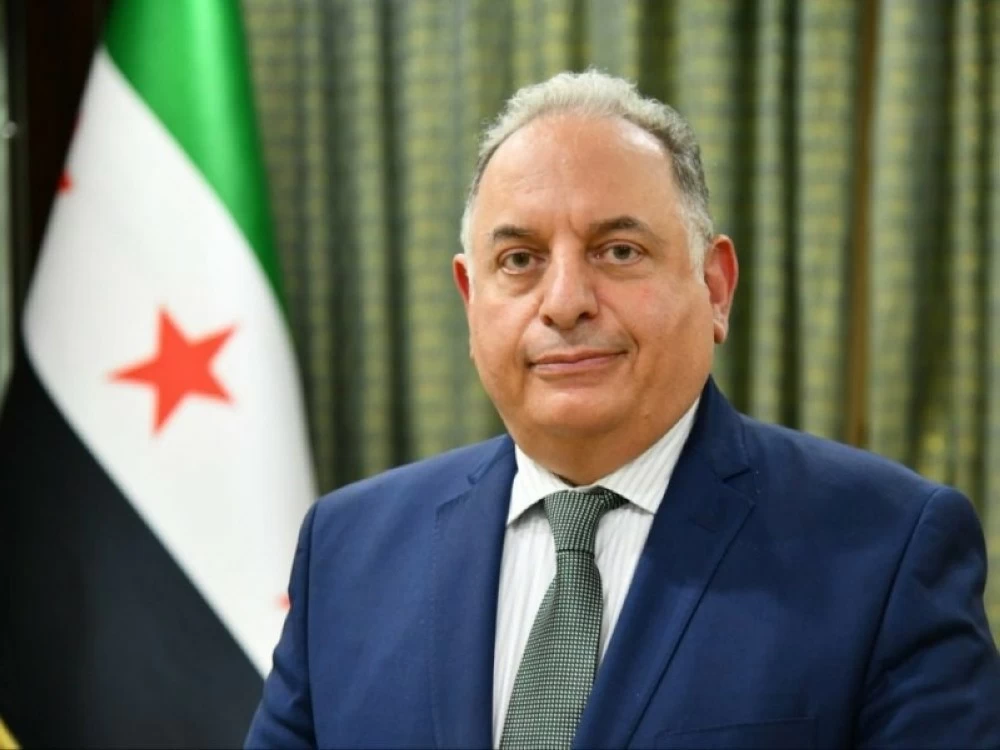
Syrian Finance Minister Mohammed Yasser Barnieh announced the outlines of the country's new tax system, emphasizing that it includes a wide range of exemptions and incentives specifically designed to enable industrial establishments to overcome current economic obstacles. The minister stressed that the ministry's new philosophy aims to make the tax system a driver of economic growth rather than a burden on industrialists.
Economic context and challenges of the recovery phase
These statements come at a sensitive time for the Syrian economy, as the country seeks to recover from the devastating effects of years of war that have damaged infrastructure and forced many factories to shut down. Syrian industry faces numerous challenges, including a lack of funding, difficulties importing raw materials, and fluctuating exchange rates. Therefore, these new government measures are seen as a necessary step in the path toward "early recovery" and reconstruction, with industry considered the key driver for achieving self-sufficiency and reducing the import bill that is straining foreign currency reserves.
From tax collection to strategic partnership
Barnieh explained that the current fiscal policy is shifting from the traditional concept of "tax collection" to one of "genuine partnership" between the state and the private sector. He pointed out that the goal is not immediate revenue collection, but rather enabling businesses to expand and increase production, which will automatically lead to long-term growth in public revenues by broadening the tax base instead of raising tax rates. He emphasized that this partnership aims to restore Syrian industry to its rightful place as a major contributor to the GDP.
Priority for damaged factories and small businesses
In detailing the plan, the minister revealed a particular focus on rehabilitating destroyed or damaged factories. The government will offer incentives to encourage their resumption of production, given its direct and rapid impact on reducing unemployment rates and employing local workers. In coordination with the Ministry of Economy and Industry, efforts are underway to support small and medium-sized enterprises (SMEs) and entrepreneurship, and to facilitate their access to finance, recognizing them as the backbone of any emerging economy and capable of generating high added value.
Reviewing customs policies and protecting domestic products
Regarding foreign trade, Barnieh noted the ongoing cooperation with the General Authority for Ports to review customs tariffs and import/export policies. These reviews aim to achieve a delicate balance that protects domestic industry from unfair competition from imported goods, while simultaneously ensuring the availability of raw materials necessary for manufacturing. These steps are part of a comprehensive vision to enhance the competitiveness of Syrian products, not only in the local market, but also as a prelude to regaining their traditional markets in the Arab and regional arenas.
The minister concluded his remarks by emphasizing his rejection of placing any obstacles in front of industrialists, reiterating the state's commitment to providing a suitable investment environment, saying: "The state is not a competitor to the private sector, but rather a partner to it, working hand in hand with it to advance the industrial process.".