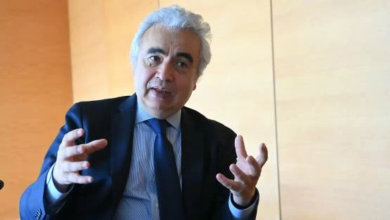

The Governor of the Central Bank of Syria, Abdul Qader al-Hasriya , issued strong warnings to the administrations of banks operating in the country, demanding that they direct their branches to take all necessary measures to manage cash liquidity in an objective and fair manner, in a step aimed at regulating the pace of banking work and meeting the needs of citizens.
Punitive measures to strengthen banking discipline
In his remarks today, the Central Bank official emphasized that the bank will not tolerate any violations of the law. He stated that penalties and sanctions stipulated in the applicable regulations and laws will be imposed on any bank branch found to be in breach of instructions or failing to meet customer demands. He indicated that the primary objective of these directives is to bolster confidence in the banking sector , considering this confidence to be the cornerstone and the only way to ensure the flow of liquidity within the Syrian economy.
This decisive move came in response to numerous complaints and questions received by the Central Bank regarding the refusal of some banks to meet citizens' requests for cash withdrawals from their open accounts, which necessitated direct intervention to control the situation.
The context of the liquidity crisis and the importance of banking confidence
These directives come at a time when the Syrian economy is facing significant challenges related to the availability of cash in the markets, a problem that often arises as a result of inflation and declining purchasing power, increasing the demand for banknotes to complete daily transactions. Managing liquidity in such circumstances is one of the most complex tasks facing monetary policy, as the central bank strives to balance providing cash to citizens with controlling the money supply to curb inflation.
Economists believe the central bank's emphasis on "strengthening confidence" stems from a sound economic principle: the more confident depositors are in their ability to withdraw their funds at any time, the more they will deposit, thus increasing liquidity levels in banks. Conversely, fear of withdrawal restrictions leads to hoarding of funds outside the banking system, exacerbating the crisis.
Disbursement and salary priorities
In detailing the directives, the Central Bank stressed the need to fulfill as many depositors' requests for cash withdrawals as possible, regardless of whether the funds were deposited before or after May 7, 2025. The Central Bank also drew a red line regarding employee entitlements, emphasizing its unwavering commitment to always prioritizing the payment of salaries owed to citizens, both old and new, to ensure the financial stability of Syrian families.
Al-Hasriya concluded his remarks by emphasizing that liquidity management is a direct responsibility of the banks, and that the Central Bank will closely monitor the proper functioning of the bank to ensure that services are provided in the best possible way.