Damascus and Kurdish forces talks: A new round and the future of the region

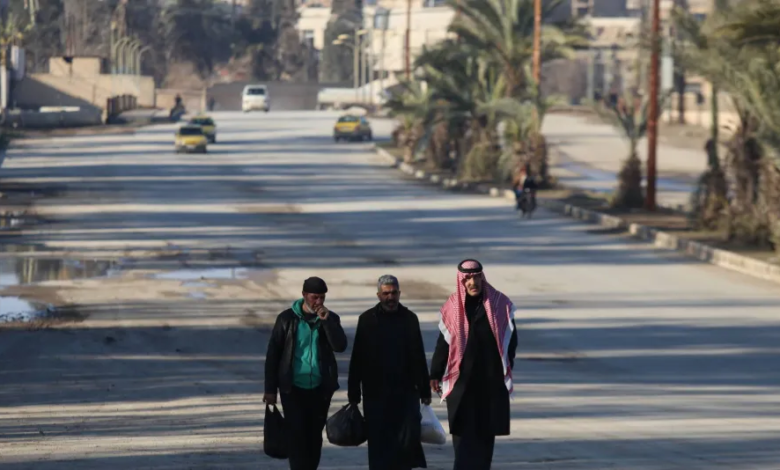
In a significant development in the Syrian political landscape, the Syrian government has expressed its willingness and openness to holding a new round of talks with the Kurdish forces (Syrian Democratic Forces – SDF) and their political representatives, with the aim of reaching a common understanding that would end the division in the northeast of the country. This step comes at a sensitive time for the region, lending considerable strategic importance to any potential rapprochement between Damascus and the Autonomous Administration.
Historical context and roots of the dispute
The complex relationship between the central government in Damascus and Kurdish forces dates back to the beginning of the Syrian crisis in 2011, when government forces gradually withdrew from the northeastern regions, allowing the Kurds to form the People's Protection Units (YPG) and later the Syrian Democratic Forces (SDF) with support from the US-led international coalition. Over the past years, the Kurds have established what is known as the "Autonomous Administration of North and East Syria," a semi-autonomous administrative structure whose constitutional legitimacy Damascus refuses to recognize, adhering to the principle of Syrian territorial integrity and administrative centralization. The Kurds, however, demand official recognition of their distinct identity within a decentralized Syria.
Points of contention and outstanding issues
The upcoming talks will focus on several contentious issues that remained unresolved in previous rounds. The most prominent of these are the fate of the Kurdish forces' military wing and how to integrate it into the Syrian army, as well as the issue of raising the Syrian flag over all institutions and the distribution of natural resources. The Kurds currently control the most important oil and gas fields, in addition to Syria's breadbasket (wheat crops) in the Jazeera region—vital resources that the Syrian economy desperately needs to recover from the effects of sanctions and the war.
Regional and international dimensions
This call for dialogue cannot be separated from the tense regional landscape, particularly Turkey's persistent threats to launch ground operations in northern Syria. Both Damascus and the Kurdish forces view Ankara as a common adversary threatening Syrian sovereignty, prompting both sides—despite their differences—to seek a formula for military and political cooperation to deter any potential incursion. Furthermore, the uncertainty surrounding the future of the American military presence in the region is pushing the Kurdish forces to seek political backing, with Damascus considered the most realistic option to ensure they are not subjected to military operations by other parties. The success of these talks could redraw the political map of Syria, strengthen state control, and diminish the influence of foreign interventions.