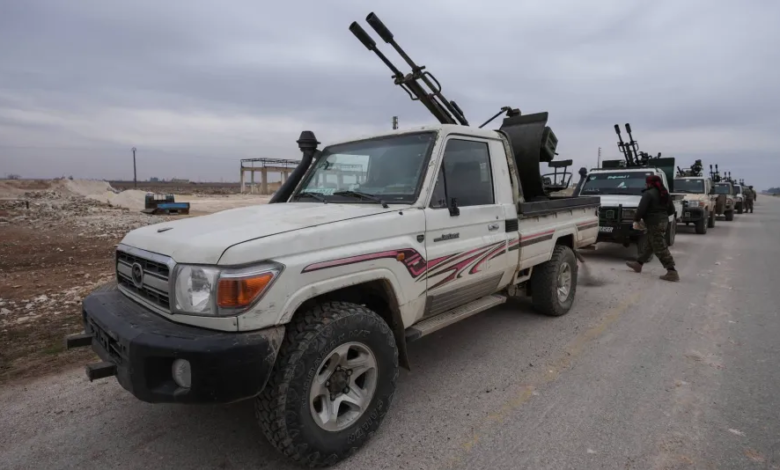

In a significant development on the ground that alters the map of control in northern Syria, Syrian army units have secured full control of the strategic city of Deir Hafer in the eastern Aleppo countryside, following intensive military operations that led to the withdrawal of ISIS militants from the city. The advance did not stop there; the forces continued their push, penetrating the administrative borders of Raqqa province, the group's main stronghold.
Details of field control
The capture of Deir Hafer came after a military tactic that involved encircling the city from three sides, forcing the militants to withdraw eastward toward the town of Maskana to avoid a complete siege. Upon entering the city, Syrian Army engineering units immediately began extensive clearing operations to dismantle the improvised explosive devices and mines left behind by the group, ensuring the area's complete security and paving the way for the return of stability.
The strategic importance of Deir Hafer
The city of Deir Hafer holds immense military and geographical importance, as it was considered the last stronghold of the Islamic State in the eastern Aleppo countryside. Its significance lies in the following points:
- Transportation hub: The city is located on the highway linking Aleppo to Raqqa, which means that controlling it opens the way for military supplies to the east.
- Securing Kuweires Airport: Controlling the city helps to remove the threat of shelling and attacks from Kuweires military airport, thus enhancing the Air Force’s ability to carry out its sorties more effectively.
- Protecting the city of Aleppo: Securing the eastern countryside is a necessary step to fully secure the city of Aleppo and prevent any future infiltration attempts.
Entering Raqqa province and changing the rules of engagement
Perhaps the most significant event accompanying the capture of Deir Hafer was the Syrian forces' success in entering the administrative borders of Raqqa Governorate. This advance carries profound political and military implications, as it places the Syrian army in direct competition with other forces operating in the region to control the territory from which ISIS is withdrawing.
This advance brings government forces closer than ever to Tabqa and the Euphrates Dam, placing immense psychological and military pressure on the group's leadership in Raqqa. It also sends a regional and international message that the Syrian army is determined to regain control of all Syrian territory, including the resource-rich eastern regions.
The general context of the battle
These operations are part of a broad military campaign, backed by Russian air support, aimed at eliminating ISIS's presence in the Syrian desert and the Aleppo countryside. Military experts indicate that the rapid collapse of the group's defenses in Deir Hafer reflects its declining fighting capabilities and supply shortages, paving the way for wider battles that could determine the fate of eastern Syria in the coming months.