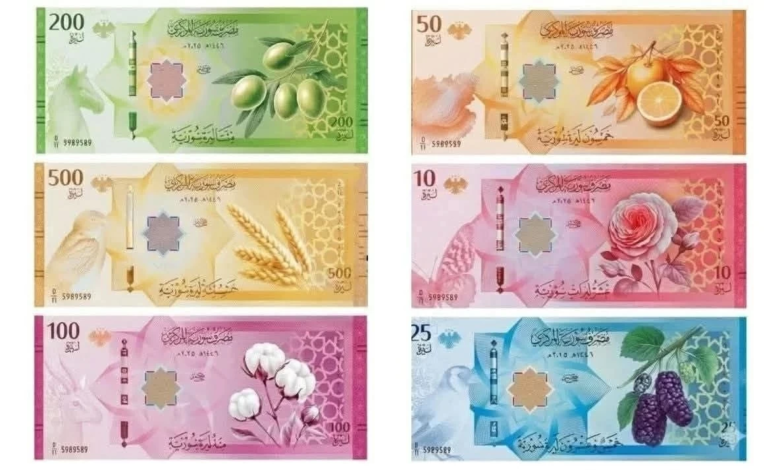

أعلن مصرف سورية المركزي عن قرار جديد يقضي بتمديد فترة استبدال الليرة السورية من فئاتها القديمة لمدة ثلاثين يوماً إضافياً، وذلك اعتباراً من الأول من شهر يوليو القادم. يأتي هذا القرار كخطوة تهدف إلى إتاحة المزيد من الوقت للمواطنين والمؤسسات المالية لاستكمال عملية الإحلال النقدي التي تشهدها البلاد، وضمان انتقال سلس نحو الأوراق النقدية الجديدة دون التسبب في أي أضرار لمصالح حاملي العملة القديمة.
وأوضح المصرف في بيان رسمي صدر يوم الأحد، أن هذا التمديد الثاني من نوعه يأتي في سياق التقدم الجيد الذي أحرزته عملية الاستبدال حتى الآن، حيث دعا كافة المؤسسات المالية المعتمدة إلى مواصلة استقبال كافة فئات العملة القديمة من المواطنين واستبدالها بالإصدارات الجديدة وفقاً للآليات المتبعة.
أبعاد القرار في ظل التحديات الاقتصادية
تأتي عملية تحديث الكتلة النقدية في سوريا في وقت يمر فيه الاقتصاد الوطني بتحديات كبيرة ناجمة عن سنوات طويلة من الصراع والعقوبات الاقتصادية، والتي أدت إلى تدهور قيمة العملة المحلية وارتفاع معدلات التضخم. وفي هذا السياق، يهدف المصرف المركزي من خلال سحب الأوراق النقدية القديمة والمهترئة إلى تعزيز الثقة بالليرة السورية، ومكافحة عمليات التزييف التي تستهدف الفئات القديمة ذات المواصفات الأمنية الأقل تطوراً. كما أن طرح فئات نقدية جديدة أو محدثة يساعد في تسهيل المعاملات اليومية للمواطنين التي تتطلب كميات كبيرة من الأوراق النقدية ذات الفئات المنخفضة نتيجة ارتفاع الأسعار.
انعكاسات تمديد مهلة استبدال الليرة السورية على الأسواق والمواطنين
يحمل قرار تمديد المهلة أهمية بالغة للمواطنين، خاصة في المناطق البعيدة أو لأولئك الذين لم يتمكنوا من إتمام عملية الاستبدال خلال الفترة الماضية. ويمنحهم هذا التمديد فرصة إضافية لتسليم ما بحوزتهم من عملات قديمة دون أن يفقدوا قيمتها، مما يعكس حرص السلطات النقدية على حماية مدخرات المواطنين. على صعيد الأسواق، يساهم القرار في الحفاظ على استقرار التعاملات النقدية، حيث سيستمر التعايش بين العملتين القديمة والجديدة حتى نهاية المهلة المحددة، مما يمنع حدوث أي ارتباك في عمليات البيع والشراء اليومية.
وكان مصرف سورية المركزي قد أكد في وقت سابق أن عملية استبدال الليرة السورية تسير بوتيرة متسارعة وفاقت التوقعات، حيث تم استبدال ما يزيد عن 56% من الكتلة النقدية القديمة المتداولة خلال الأشهر القليلة الماضية. وأشار المصرف إلى أن حجم التدفقات اليومية لعمليات الاستبدال تراوح بين 12 و13 مليار ليرة، وهو ما يعكس استجابة واسعة من المواطنين وثقتهم بالإجراءات المتخذة، ويؤكد نجاح العملية وفقاً للمعايير المعتمدة.