Syrian Defense Ministry: Strict accountability for violators in northeastern Syria

The Syrian Ministry of Defense issued strict directives aimed at stabilizing the situation on the ground and strengthening military discipline in northeastern Syria, emphasizing its determination to hold accountable all personnel who violate codes of conduct and the law. This move comes as part of the military establishment's efforts to enforce the rule of law and eliminate any negative phenomena that could affect the stability of the region or harm the relationship between the armed forces and the local community.
Context of the decision and its field dimensions
This step is particularly important given the complex geographical and demographic nature of northeastern Syria, specifically in the governorates of Deir ez-Zor, Hasakah, and Raqqa. In these areas, the front lines between the Syrian Army and the Syrian Democratic Forces (SDF) overlap, in addition to the military presence of other international forces. In this complex landscape, military discipline becomes paramount to avoid any unintended clashes or tensions that could lead to an unwanted escalation on the ground.
Field reports indicate that the new directives focus on preventing individual abuses, regulating the operation of military checkpoints, and preventing any practices that may fall under the category of abuse of power or encroachment on private and public property, issues that were the subject of frequent complaints by residents in previous periods.
Strategic importance and enhancing community trust
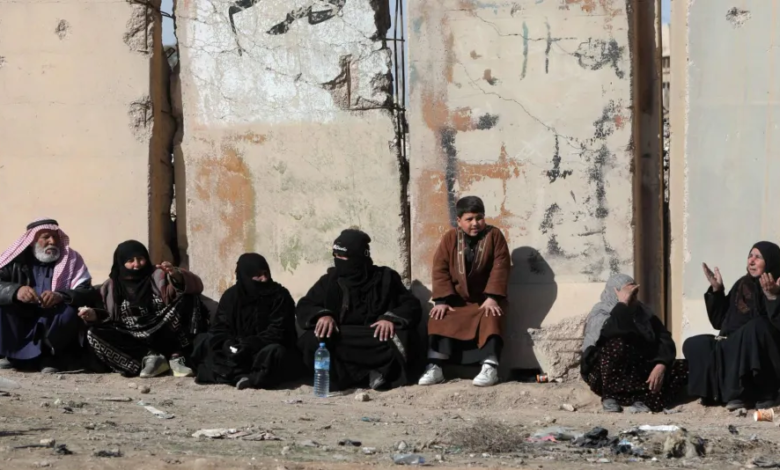
Observers of Syrian affairs believe that the Ministry of Defense's actions extend beyond purely military considerations to encompass social and political objectives. Northeast Syria is characterized by its tribal nature, and Arab tribes are a fundamental component of stability. Therefore, holding violators accountable and enforcing discipline serves as a direct message of reassurance to tribal leaders and elders, aiming to bolster confidence in state institutions and encourage a return to normalcy.
These measures also come in the context of the Syrian state’s attempts to gradually restore its administrative and legal authority, as imposing order within the military establishment is considered the first step towards strengthening security and safety for civilians, and creating the appropriate conditions for the return of services and economic activity that were severely damaged during the years of war.
Challenges of the next stage
Despite the importance of these decisions, their implementation on the ground faces challenges related to the proliferation of auxiliary forces and the multiple loyalties in the region. Nevertheless, the insistence on accountability reflects an official trend toward institutionalizing military operations and centralizing weapons and security decisions under the control of the central command, thereby reducing the risk of chaos and curbing the influence of those who profit from the state of war.
In conclusion, this approach represents a necessary step to consolidate the concept of the state and the rule of law in areas that have long suffered from the ravages of conflict, and it confirms that sustainable stability can only be achieved through a disciplined military institution that respects the laws and protects citizens.