Taif Health Plan for Hajj Season: 300,000 Practitioners and Modern Technologies

As part of the extensive preparations underway in Saudi Arabia for the Hajj season, Dr. Talal Al-Maliki, CEO of the Taif Health Cluster, revealed details of this year's operational health plan, which represents a qualitative leap in the history of medical services provided to pilgrims. These preparations align with the goals of the Kingdom's Vision 2030, which prioritizes human health and the safety of pilgrims.
A historic shift in crowd health management
The Hajj season is no longer simply a massive human gathering requiring traditional care; thanks to strategic planning, it has transformed into a global model for "mass gathering medicine." Historically, healthcare services were centrally managed through directorates, which could pose challenges to rapid response. Today, with the establishment of the Health Holding Company, the sector has undergone a radical shift towards decentralization and integration among healthcare clusters.
In his interview with “Al-Youm”, Dr. Al-Maliki explained that this transformation resulted in the integration of five major health clusters in the Western Region (Makkah, Madinah, Jeddah, and Taif), working as one body system to weave a unified care network, supported by logistical and human support from 15 health clusters from various regions of the Kingdom, which ensures a record speed of response to emergency cases.
These figures reflect the scale of the preparations
In terms of figures that reflect the scale of responsibility and preparedness, Al-Maliki reviewed the resources allocated to serving the pilgrims, which include:
- A fully integrated health army: More than 300,000 health practitioners and administrators working in perfect harmony.
- Huge capacity: Providing more than 40,000 beds to ensure that any emergency cases can be accommodated.
- Ambulance fleet: More than 2,000 ambulances equipped with the latest technology for rapid access.
- Primary care network: More than 2000 health centers providing primary treatment services.
From defense to offense: Field medicine strategies
The CEO of the Taif Health Cluster confirmed that the current plan relies on a proactive strategy of reaching patients before they request assistance. This is achieved through:
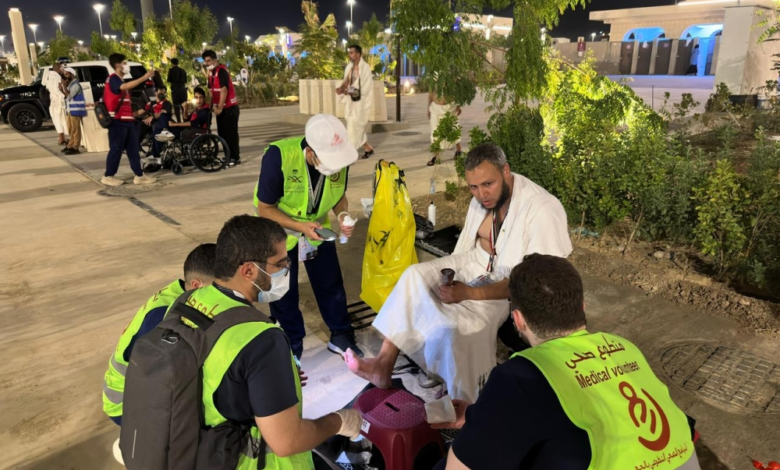
- Mobile doctor: Medical teams penetrate crowds equipped with first aid supplies to treat cases immediately, thus relieving pressure on hospitals.
- Field surgical intervention: Deploying emergency surgical intervention teams in the field to save lives at critical moments.
- Virtual medicine: Using modern technologies to remotely monitor patients, citing a success story from last year of a pilgrim who suffered a heart attack and was monitored virtually until he completed his rituals safely.
Regional and international impact of a successful health season
The Kingdom's success in managing the health situation during the Hajj season not only reflects positively on the domestic front but also sends a reassuring message to the Islamic world and the international community about the Kingdom's ability to manage the largest human gatherings in the world safely and efficiently. This success reinforces Saudi Arabia's position as a global leader in mass gathering medicine and epidemic control, especially given the positive indicators achieved last year in reducing mortality and heat-related illness rates.
Dr. Al-Maliki concluded his remarks by emphasizing that serving the pilgrims is an honor and a national responsibility, and that the strict performance indicators are primarily aimed at achieving comprehensive health security, ensuring the safe return of the pilgrims to their homes.