
في إطار سعي المملكة العربية السعودية المستمر لتحقيق مستهدفات رؤية 2030، وتحديداً برنامج خدمة ضيوف الرحمن، أعلنت وزارة البلديات والإسكان أن أمانة محافظة الطائف قد أتمت بنجاح سلسلة من مشاريع الأنسنة والتطوير الحضري. تستهدف هذه المشاريع عدداً من المواقيت المكانية والمحاور الحيوية المرتبطة ارتباطاً وثيقاً بمسار الحجاج والمعتمرين، وذلك لرفع الجاهزية التشغيلية وتحسين تجربة الزوار خلال موسم حج 1447هـ.
السياق التاريخي والأهمية الاستراتيجية للطائف
تُعد محافظة الطائف البوابة الشرقية لمكة المكرمة، وتكتسب أهمية تاريخية وجغرافية وإسلامية بالغة. وتضم الطائف اثنين من أهم المواقيت المكانية التي حددها النبي محمد صلى الله عليه وسلم، وهما ميقات ‘قرن المنازل’ (المعروف حالياً بالسيل الكبير) وميقات ‘وادي محرم’. يخدم هذان الميقاتان الحجاج والمعتمرين القادمين من منطقة نجد، والمنطقة الشرقية، ودول مجلس التعاون الخليجي، بالإضافة إلى حجاج دول شرق آسيا القادمين براً. لذا، فإن تطوير هذه المواقع ليس مجرد تحسين للبنية التحتية، بل هو امتداد للرعاية التاريخية التي توليها القيادة السعودية للحرمين الشريفين وقاصديهما.
تفاصيل مشاريع الأنسنة والتطوير الحضري
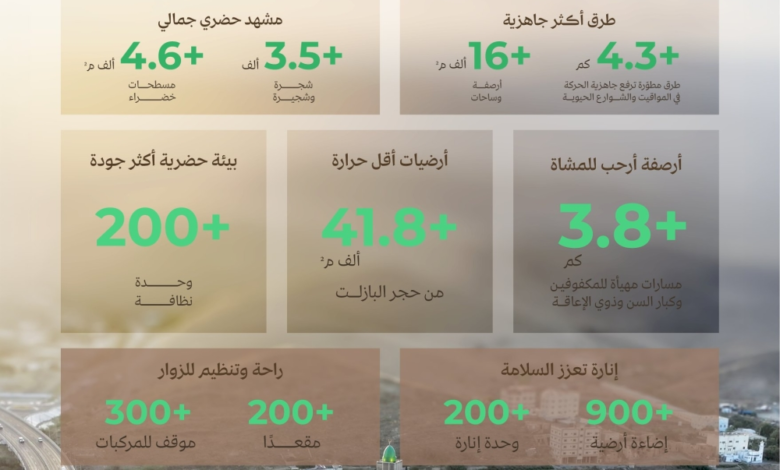
شملت الجهود الميدانية لأمانة الطائف تطوير وتهيئة 4 مواقع رئيسية، أبرزها ميقاتي وادي محرم وقرن المنازل. وإلى جانب المواقيت، امتدت يد التطوير لتشمل طرقاً حيوية داخل المحافظة، مثل شارع أبو بكر الصديق وشارع شهار العام. وقد أثمرت هذه الجهود عن تحسين أكثر من 4.3 كيلومترات من الطرق، وإنشاء ما يزيد على 16 ألف متر مربع من الأرصفة والساحات الواسعة.
ولضمان شمولية الخدمات، تم تجهيز أكثر من 3.8 كيلومترات من مسارات المشاة المصممة خصيصاً لتناسب احتياجات المكفوفين، وكبار السن، وذوي الإعاقة، مما يعزز من سهولة الحركة ويرفع مستويات السلامة. كما تم التركيز على البعد البيئي عبر زراعة أكثر من 3.5 آلاف شجرة وشجيرة، وتوفير 4.6 آلاف متر مربع من المسطحات الخضراء، مما يسهم في تحسين المشهد الحضري.
جودة المسارات والارتقاء بالبنية التحتية
في خطوة هندسية مبتكرة، تم تنفيذ أكثر من 4.8 آلاف متر مربع من أرضيات حجر البازلت، والذي يلعب دوراً فعالاً في خفض درجات الحرارة المرتفعة خلال فصل الصيف، مما يوفر بيئة مريحة للمشاة. كما تم تجهيز أكثر من 200 مرفق خدمي عام للمحافظة على البيئة الحضرية.
ولتعزيز الأمن والسلامة ليلاً، رُكبت أكثر من 900 وحدة إضاءة أرضية و200 وحدة إنارة عمودية، إلى جانب توفير أكثر من 300 موقف للمركبات و200 مقعد لراحة الزوار في المواقع المستهدفة.
الأثر المتوقع للمشاريع محلياً ودولياً
على الصعيد المحلي، تسهم هذه المشاريع في تحسين المشهد الحضري للطائف، ورفع جودة الحياة لسكانها، وتنشيط الحركة الاقتصادية والسياحية. أما على الصعيدين الإقليمي والدولي، فإن هذه التجهيزات المتطورة تضمن تقديم تجربة روحانية سلسة ومريحة لملايين المسلمين، مما يعكس الصورة المشرفة للمملكة العربية السعودية وقدرتها الفائقة على إدارة الحشود وتوفير أرقى الخدمات البلدية لضيوف الرحمن.