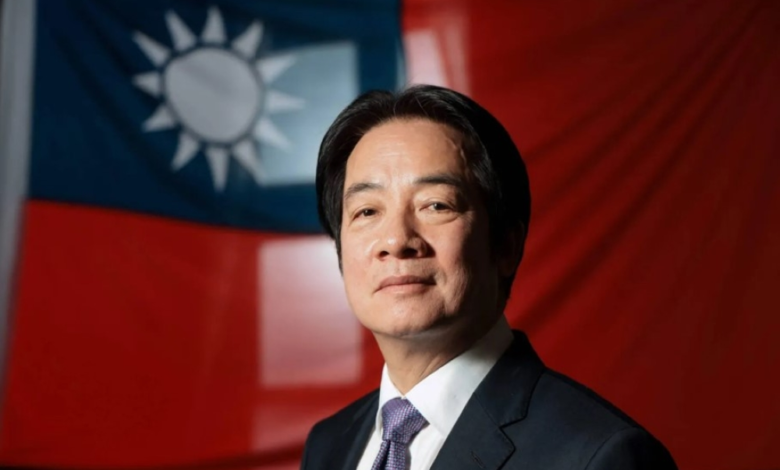

أكد الرئيس التايواني، لاي تشينغ تي، موقف بلاده الحازم تجاه العلاقات الدولية المعقدة التي تحيط بالجزيرة، مشدداً على أن الولايات المتحدة الأمريكية ليست بحاجة إلى استخدام تايوان كـ "ورقة مساومة" في أي مفاوضات أو محادثات تجريها مع الصين. تأتي هذه التصريحات في وقت تشهد فيه منطقة المحيطين الهندي والهادئ تحولات جيوسياسية دقيقة، وسط ترقب عالمي لمستقبل العلاقات بين القوى العظمى.
رسالة طمأنة وسط التوترات
وفي مقابلة صحفية حديثة، أوضح "لاي" رؤيته للعلاقات الثلاثية، قائلاً: "ليست هناك حاجة للولايات المتحدة لوضع تايوان في إطار ورقة مساومة في أي مناقشات مع الصين". يعكس هذا التصريح رغبة تايبيه في الحفاظ على استقلاليتها السياسية وكيانها الديمقراطي بعيداً عن الصراعات التجارية أو السياسية المباشرة بين واشنطن وبكين، خاصة في ظل التكهنات حول السياسة الخارجية الأمريكية القادمة.
ترحيب بالحوار الأمريكي الصيني
على الرغم من التحذيرات، أبدت تايوان موقفاً إيجابياً تجاه التواصل المباشر بين القادة الكبار. فقد رحبت تايبيه بالمكالمة الهاتفية التي جرت مؤخراً بين الرئيس الأمريكي المنتخب دونالد ترامب والرئيس الصيني شي جين بينغ. واعتبرت الحكومة التايوانية أن مثل هذه الاتصالات تساهم في تعزيز الاستقرار في المنطقة وتخفيف حدة الاحتقان.
وفي هذا السياق، صرح نائب وزير الخارجية التايواني، تشين مينج تشي، لوكالة فرانس برس قائلاً: "لسنا قلقين بشأن هذه المكالمة الهاتفية، بل نعتقد أنها ستسهم في استقرار الوضع، خصوصاً مع استمرار الصين في تصعيد التوترات في مضيق تايوان وفي جميع أنحاء المنطقة".
الأهمية الاستراتيجية والخلفية التاريخية
تكتسب قضية تايوان أهمية عالمية تتجاوز حدودها الجغرافية، ليس فقط بسبب الموقع الاستراتيجي في سلسلة الجزر الأولى، ولكن أيضاً لدورها المحوري في الاقتصاد العالمي. تُعد تايوان المركز العالمي لصناعة أشباه الموصلات والرقائق الإلكترونية المتقدمة، مما يجعل استقرارها مصلحة حيوية للأمن القومي والاقتصادي لكل من الولايات المتحدة والصين وباقي دول العالم.
تاريخياً، تعتبر الصين تايوان جزءاً لا يتجزأ من أراضيها وتعهدت بضمها، بالقوة إن لزم الأمر، بينما تعمل تايوان ككيان ديمقراطي يتمتع بالحكم الذاتي منذ عام 1949. وتلتزم الولايات المتحدة، بموجب "قانون العلاقات مع تايوان"، بتزويد الجزيرة بوسائل الدفاع عن نفسها، وهو ما يثير حفيظة بكين بشكل مستمر.
تصاعد الضغوط العسكرية
يأتي هذا السجال الدبلوماسي متزامناً مع زيادة ملحوظة في الأنشطة العسكرية الصينية حول الجزيرة. حيث ترسل بكين بشكل شبه يومي طائرات حربية وسفناً بحرية للعمل بالقرب من تايوان، في محاولة لممارسة الضغط العسكري والنفسي على الحكومة التايوانية والشعب، ولتأكيد مطالباتها بالسيادة، وهو ما يقابله إصرار تايواني على حماية نظامها الديمقراطي وتعزيز تحالفاتها الدولية.