
A pivotal moment in the history of Al-Ittihad Club
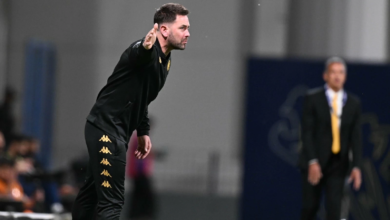
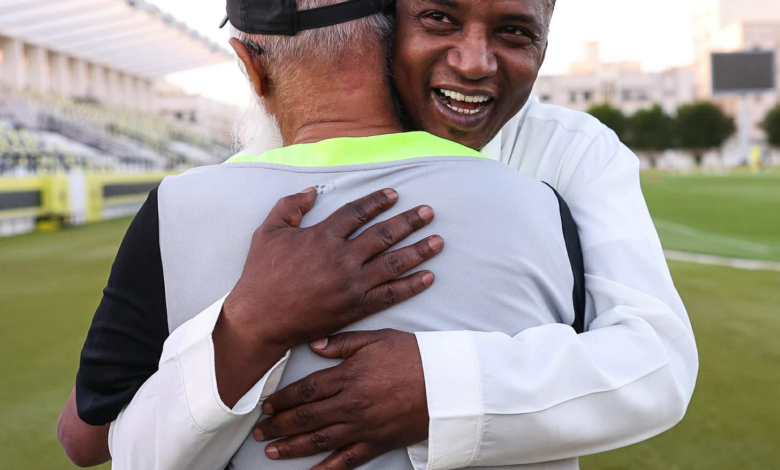
Al-Ittihad fans are eagerly anticipating the significant administrative and technical transformation that the legendary duo of Mohammed Noor and Hamad Al-Montashari will bring about, following their official appointment as advisors to the Chairman of the Board for football affairs. This strategic move to engage in administrative and technical work comes at a crucial time for the club, aiming to bolster the team's operations and enhance integration to meet the aspirations of the upcoming phase and return the team to its rightful place in domestic and continental competitions.
Historical background: Calling back the golden generation
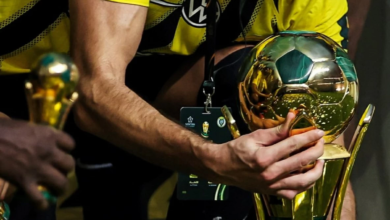
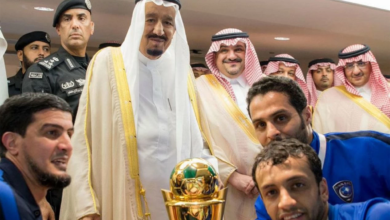
This decision cannot be discussed without considering the rich historical legacy of the duo. Mohammed Noor and Hamad Al-Montashari are among the most prominent figures in the history of Al-Ittihad Club, Saudi football, and Asian football. The pair led the team to two consecutive AFC Champions League titles (2004 and 2005), with Al-Montashari being crowned Asian Player of the Year in 2005. Noor remains a historical icon and a seasoned leader who consistently instilled a winning spirit in his teammates. Recalling these iconic names represents a serious attempt to cultivate a winning mentality and fighting spirit in the current generation of players.
The importance of the event and its expected impact
Domestically, this decision represents an attempt to quell the anger of Al-Ittihad fans and restore technical and administrative stability within the club after a series of poor results this season. Regionally and internationally, the stability of a club the size of Al-Ittihad positively impacts the strength and competitiveness of the Saudi Professional League, which enjoys unprecedented global attention thanks to the presence of a host of international stars. The presence of experienced figures like Noor and Al-Montashari could help bridge the gap between the management and the foreign players, conveying the club's legacy, prestige, and history to them.
Critics' opinions: Between courage and backwardness
The sports community reacted to this decision with marked contrast. Journalist Mohammed Al-Bakiri described Nour and Al-Montashari's acceptance of this "suicide mission" as courageous, indicating that the club's management, led by Engineer Fahd Sindi, resorted to this popular appeal to salvage itself from previous decisions that damaged the team's identity and created an unhealthy atmosphere in the locker room. For his part, Adel Al-Sharif doubted the duo's success unless they were granted clear and absolute authority, emphasizing that enthusiasm alone is insufficient given the presence of more than 10 foreign players who require professional management.
Calls for a comprehensive review and clarity of roles
In the same vein, Fahd Al-Mahyawi emphasized that the club needs a complete overhaul and that the blame shouldn't fall on the duo if the experiment falters, given the accumulation of administrative errors since last summer. Mishari Al-Dhakrallah addressed a crucial point regarding the declining technical impact of local players compared to foreign ones, which could weaken communication, wishing them success despite the difficulty of the task. Finally, Musa Al-Safri and Youssef Abdullah agreed on the historical significance of the duo, stressing that the success of the idea, which is successfully implemented in major international clubs, hinges on clear responsibilities to avoid any ambiguity in sporting decision-making and to restore the fans' confidence.