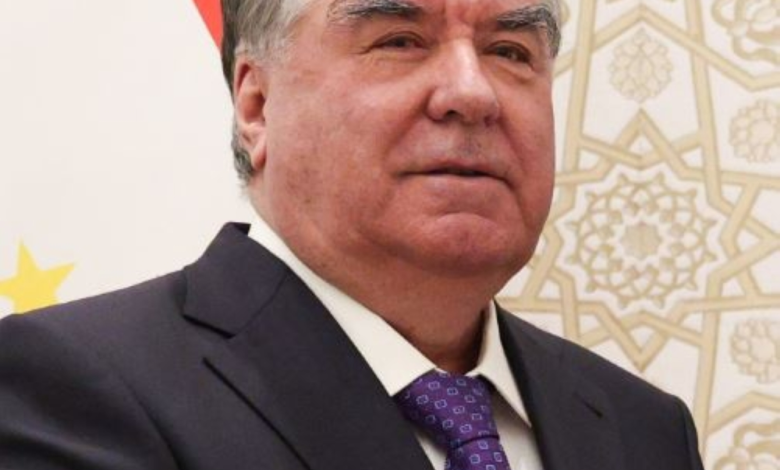

سُجل يوم السبت أول ظهور علني للرئيس الطاجيكي إمام علي رحمون منذ أكثر من أسبوعين، وهي الفترة التي شهدت سريان شائعات وتساؤلات واسعة النطاق حول الحالة الصحية للزعيم البالغ من العمر 73 عامًا، والذي يحكم البلاد بقبضة محكمة منذ أكثر من ثلاثة عقود.
وذكرت الرئاسة الطاجيكية في بيان رسمي نشرته على موقعها الإلكتروني، أن الرئيس رحمون عقد اجتماعًا هامًا مع الرئيسة الجديدة للبنك الآسيوي للاستثمار في البنية التحتية، بزو جياييش، لمناقشة مشاريع تنموية استراتيجية. ويأتي هذا الظهور ليضع حدًا للتكهنات التي انتشرت في الأوساط الإعلامية والدبلوماسية بسبب الغياب غير المعتاد لرئيس دولة اعتادت وسائل إعلامها الرسمية تغطية تحركاته وأنشطته بشكل شبه يومي.
أهمية التوقيت والمشاريع الاقتصادية
لم يكن ظهور رحمون مجرد إثبات وجود، بل حمل دلالات اقتصادية هامة. حيث ركز اللقاء مع مسؤولي البنك الآسيوي على تعزيز الاستثمارات في البنية التحتية، وتحديدًا الاستعداد لبناء أكبر جسر في طاجيكستان. وتعتبر هذه الخطوة حيوية للدولة الحبيسة (غير الساحلية)، حيث تسعى الحكومة لفك العزلة الجغرافية وتعزيز موقعها كحلقة وصل استراتيجية في التجارة الدولية بين قارتي أوروبا وآسيا.
خلفية تاريخية: رحمون والاستقرار السياسي
لفهم سبب القلق الذي أثاره غياب رحمون، يجب النظر إلى السياق التاريخي والسياسي لطاجيكستان. وصل إمام علي رحمون إلى السلطة في عام 1992، بُعيد استقلال البلاد عن الاتحاد السوفيتي، وفي خضم حرب أهلية دامية استمرت خمس سنوات (1992-1997). وقد لعب دورًا محوريًا في إنهاء هذا الصراع، مما مكنه من ترسيخ حكمه وتقديم نفسه كضامن وحيد للاستقرار والأمن القومي.
الأهمية الجيوسياسية لطاجيكستان
تكتسب صحة الرئيس واستقرار القيادة في طاجيكستان أهمية إقليمية ودولية بالغة، نظرًا للموقع الجغرافي الحساس للدولة. تشترك طاجيكستان في حدود طويلة ومعقدة مع أفغانستان، مما يجعلها خط الدفاع الأول لآسيا الوسطى ضد التهديدات الأمنية وتمدد الجماعات المتطرفة. ويخشى المراقبون والمواطنون، الذين لا يزالون يتذكرون ويلات الحرب الأهلية، من أن أي فراغ في السلطة أو عدم استقرار سياسي قد يؤدي إلى تداعيات خطيرة ليس فقط محليًا، بل على مستوى الأمن الإقليمي في آسيا الوسطى بأكملها.