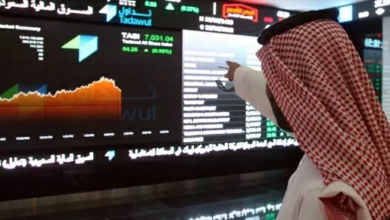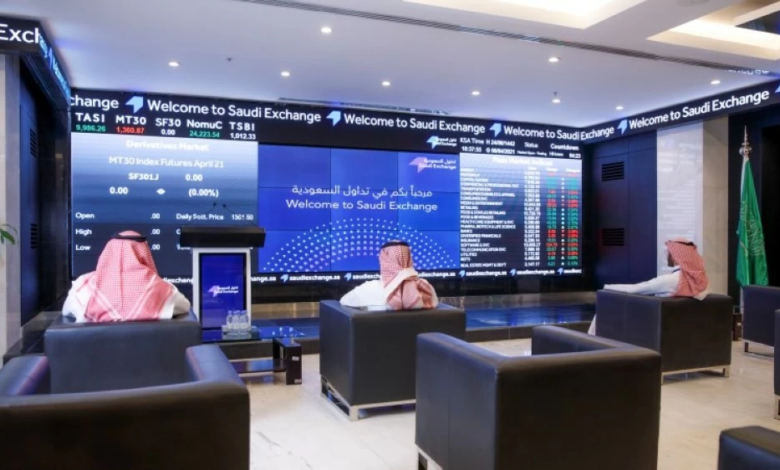

The Saudi stock market has recently witnessed a significant shift in performance, with the Tadawul All Share Index (TASI) recording a notable decline, reaching its lowest level in two years and one month. This economic event has drawn the attention of both analysts and investors. This drop comes at a time when global financial markets are experiencing sharp fluctuations due to major economic shifts, which has directly impacted investor sentiment within the Kingdom.
Economic context and influencing factors
This decline cannot be viewed in isolation from the global economic landscape. The Saudi Stock Exchange (TASI) is closely influenced by oil price movements in international markets, given the significant weight of the energy and petrochemical sectors within the index. Furthermore, global monetary policies play a pivotal role, as the Saudi riyal's peg to the US dollar means that US Federal Reserve interest rate decisions directly impact the monetary policy of the Saudi Central Bank (SAMA). Interest rate hikes typically put pressure on liquidity in equity markets, as investors shift towards safer investment vehicles such as deposits and sukuk (Islamic bonds).
Performance of leading sectors
Technically, the index's decline to this low level is attributed to selling pressure on leading sectors, particularly banking and basic materials. These sectors are the main drivers of the index, and any fluctuation in the earnings of major companies or expectations of a slowdown in global demand for petrochemical products is immediately reflected in the overall market performance. This decline reflects a reassessment by portfolio managers based on current financial data and growth forecasts for the coming quarter.
Future outlook and position of the Saudi market
Despite this decline, which reached a new 25-month low, economic experts emphasize the resilience of the Saudi economy and the strength of its financial position. These declines are often viewed as natural corrective waves within the economic cycles of financial markets. The Saudi Stock Exchange (Tadawul) remains the largest and most liquid in the Middle East and North Africa region, supported by the Kingdom's Vision 2030 programs, which aim to diversify the economy and attract foreign investment. Consequently, long-term investors may see these price levels as promising investment opportunities to build new financial positions in companies with stable returns and dividend payouts, pending a recovery in global markets and the stabilization of interest rates.