Tehran explosions, targeting of radio and television stations, and Trump's threats

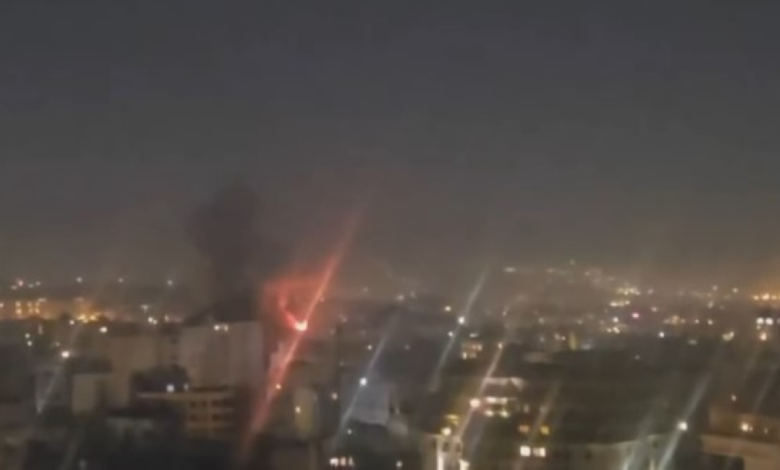
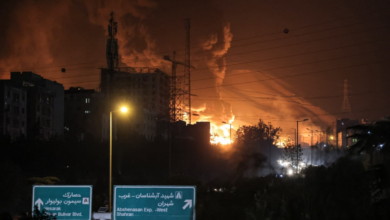
Tehran witnessed a series of rapid and dangerous military developments in the early hours of Monday morning, with four powerful explosions rocking the city's northern districts. The blasts triggered panic among residents and rattled windows in residential buildings. According to initial reports, the explosions occurred at 1:15 a.m. local time (9:45 p.m. GMT), marking the latest in a series of security incidents targeting the capital.
Strategic targeting of the radio and television headquarters
In a move laden with symbolic and strategic significance, the Israeli military claimed responsibility for targeting the headquarters of Iranian state radio and television . This building is considered one of the most important centers of soft power and information control for the Iranian regime. Military experts indicate that targeting official media broadcasting centers is often a prelude to broader operations aimed at disrupting command and control and isolating the regime from its popular base—a well-known military tactic in modern warfare designed to cripple an adversary's ability to disseminate messages both domestically and internationally.
Trump brandishes the wild option: "The last chance"
Concurrently with these airstrikes, US President Donald Trump his rhetoric against Tehran to an unprecedented level. Trump explicitly declared his readiness to send US ground troops into Iranian territory "if necessary," asserting that the US military possesses the capabilities and preparedness to wage a war that could last more than four or five weeks. In remarks delivered from the White House, Trump described these actions as "the last and best chance" to deliver a decisive blow to Iran, emphasizing that the main wave of US attacks had not yet begun, foreshadowing a more violent escalation in the coming days.
Regional context and repercussions of the conflict
These developments come at a time of highly complex geopolitical tensions in the Middle East. The threat of a ground invasion or intensive airstrikes not only jeopardizes Iran's internal security but also casts a shadow over the stability of the entire region. Observers believe that targeting critical infrastructure in Tehran could drive oil and gas prices to record highs, given Iran's strategic location and its influence on global energy routes.
The shift from proxy warfare or cyberattacks to direct bombing of the capital and the threat of ground intervention represents a radical change in the rules of engagement between Washington and Tel Aviv on one side, and Tehran on the other, which puts the international community before open scenarios that may redraw the map of influence in the region.