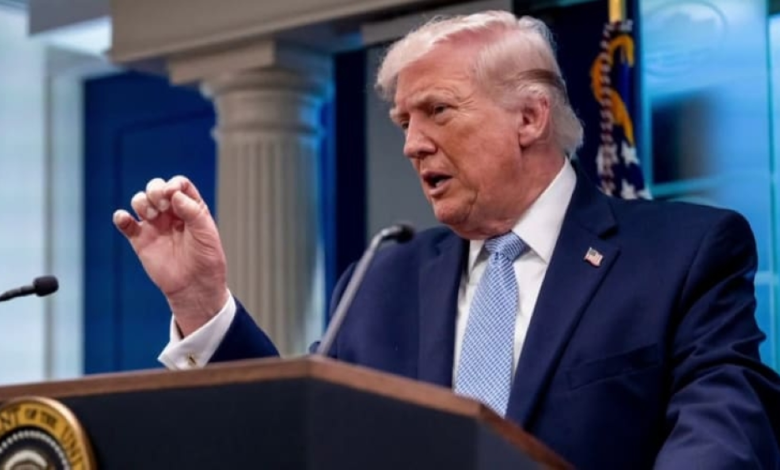

في ظل تصاعد التوترات في منطقة الشرق الأوسط، قللت القيادة العسكرية المركزية الإيرانية من أهمية التهديدات الأمريكية لإيران، وتحديداً التصريحات الأخيرة التي أطلقها الرئيس الأمريكي دونالد ترامب. وأكدت طهران أن هذه الألفاظ لن تترك أي أثر على معنويات الجنود الإيرانيين أو جاهزيتهم الميدانية. يأتي هذا الرد الحازم بعد تلويح واشنطن باستهداف وتدمير البنى التحتية الحيوية في إيران، بما في ذلك الجسور ومحطات الطاقة، خلال فترة زمنية لا تتجاوز أربع ساعات.
ونقل التلفزيون الرسمي الإيراني تصريحات واضحة عن إبراهيم ذو الفقاري، المتحدث باسم مقر خاتم الأنبياء، والذي يمثل غرفة العمليات المركزية للقوات المسلحة الإيرانية. وشدد ذو الفقاري على أن ما وصفه بـ الألفاظ الوقحة والتهديدات الواهية التي يطلقها الرئيس الأمريكي، لن تعيق استمرار العمليات الدفاعية والهجومية التي تنفذها القوات الإيرانية لحماية أمنها القومي في مواجهة ما تصفه بالعداء الأمريكي والإسرائيلي.
السياق التاريخي للتوترات الأمريكية الإيرانية
لا يمكن فصل هذه التطورات عن السياق التاريخي الطويل للصراع بين واشنطن وطهران. فقد شهدت العلاقات الثنائية تدهوراً حاداً منذ انسحاب الولايات المتحدة أحادي الجانب من الاتفاق النووي في عام 2018 خلال فترة رئاسة ترامب الأولى. ومنذ ذلك الحين، اعتمدت الإدارة الأمريكية سياسة الضغوط القصوى التي شملت عقوبات اقتصادية قاسية استهدفت قطاعات النفط والمصارف الإيرانية. هذا التاريخ الحافل بالتوترات يجعل من التصعيد الحالي حلقة جديدة في سلسلة معقدة من الصراعات الجيوسياسية التي تلقي بظلالها على استقرار المنطقة بأسرها.
المقترح الإيراني لوقف الحرب وشروطه
على الصعيد الدبلوماسي، تسعى طهران إلى إيجاد مخرج للأزمة الحالية من خلال قنوات غير مباشرة. فقد كشف مسؤول إيراني لصحيفة نيويورك تايمز الأمريكية أن المقترح الإيراني لوقف الحرب يرتكز بشكل أساسي على ضرورة الحصول على ضمانات دولية صارمة تمنع تعرض الأراضي الإيرانية لأي هجوم مستقبلي. وفي سياق متصل، نقلت قناة العربية عن مصادر مسؤولة أن المقترح يتضمن شروطاً جوهرية، أبرزها الرفع الكامل والشامل لجميع العقوبات الاقتصادية المفروضة على طهران، بالإضافة إلى الوقف الفوري للضربات العسكرية التي تستهدف حلفاء إيران في المنطقة، وعلى رأسهم حزب الله في لبنان.
تأثير الحدث إقليمياً ودولياً وضمانات إضافية
من جهة أخرى، صرح مصدر إيراني لشبكة CNN الإخبارية الأمريكية بأن طهران قدمت ضمانات إضافية عبر رسالة رسمية تم تسليمها إلى الحكومة الباكستانية، التي تلعب دوراً هاماً في رعاية المصالح ونقل الرسائل الدبلوماسية بين البلدين. وأكد المصدر أن إيران ترغب بالفعل في إنهاء حالة الحرب والتوتر، ولكنها ترفض بشكل قاطع الإملاءات الأمريكية، سواء من حيث الطريقة التي يسعى إليها ترامب أو الإطار الزمني الذي يحاول فرضه.
إن أهمية هذا الحدث تتجاوز الحدود الإيرانية لتؤثر على المشهد الدولي بأسره. فالتصعيد العسكري في الشرق الأوسط، وخاصة التهديد بضرب محطات الطاقة، يثير مخاوف عالمية بشأن أمن إمدادات الطاقة وحركة الملاحة في مضيق هرمز الاستراتيجي. كما أن هذه التوترات تنعكس مباشرة على الأسواق المالية العالمية، حيث يميل المستثمرون إلى الملاذات الآمنة مثل الذهب وسط ترقب حذر لنتائج الجهود الدبلوماسية ومقترحات وقف إطلاق النار.