
مقدمة عن حالة الطقس وانخفاض درجات الحرارة في السعودية
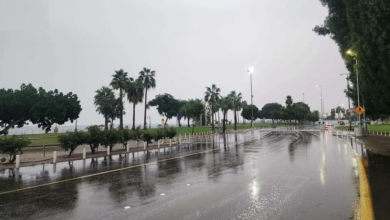
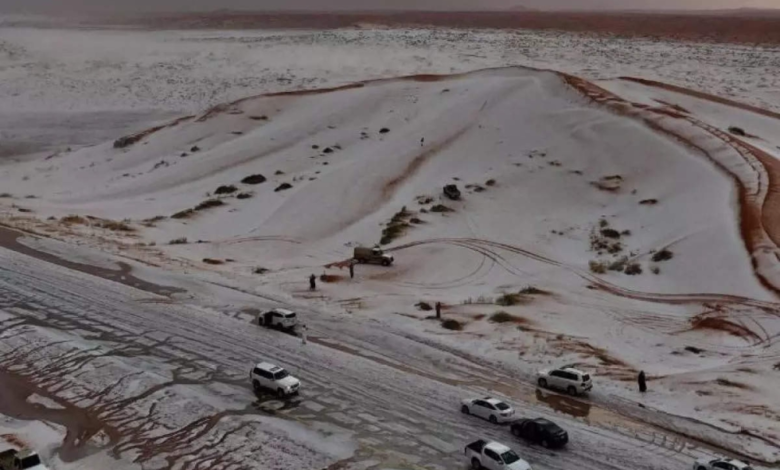
في ظاهرة مناخية تلفت الانتباه، شهدت مناطق واسعة من المملكة العربية السعودية تراجعاً مفاجئاً في درجات الحرارة خلال أواخر شهر مارس، مما أثار تساؤلات عديدة حول طبيعة هذا التغير الجوي. وقد أوضح المركز الوطني للأرصاد، إلى جانب نخبة من خبراء المناخ، أن هذا الانخفاض المفاجئ يعود إلى اندفاع كتلة هوائية باردة أدت إلى كسر النمط الربيعي الدافئ المعتاد، حيث سجلت درجات الحرارة تراجعاً يقدر بنحو 8 درجات مئوية. ويُعد هذا التغير بمثابة تمهيد طبيعي ومرحلة انتقالية تسبق الدخول الفعلي في فصل الصيف الحار الذي يميز شبه الجزيرة العربية.
السياق التاريخي للتقلبات المناخية في المرحلة الانتقالية
تاريخياً، تُعرف الفترات الانتقالية بين فصلي الشتاء والصيف في شبه الجزيرة العربية، وتحديداً خلال فصل الربيع، بعدم الاستقرار الجوي. وتتسم هذه المرحلة بالتقلبات الربيعية السريعة، حيث تتصارع الكتل الهوائية الباردة القادمة من العروض العليا مع الكتل الهوائية الدافئة. هذا الصراع المناخي المعتاد يولد تقلبات سريعة وحادة في درجات الحرارة، وهو نمط طقس متكرر وموثق في السجلات المناخية للمملكة على مر العقود، حيث تُعرف هذه الفترات بتغيراتها المفاجئة التي تسبق استقرار الأجواء الصيفية.
تفسير المركز الوطني للأرصاد للظاهرة الجوية
وفي هذا السياق، صرح المتحدث الرسمي للمركز الوطني للأرصاد، الأستاذ حسين القحطاني، بأن التراجع النسبي في درجات الحرارة يُعد جزءاً لا يتجزأ من طبيعة المرحلة الانتقالية الحالية التي تمر بها المنطقة. وبيّن القحطاني أن هذه الفترة تتسم بما يُعرف بـ “التقلبات والتذبذب المناخي” السريع، حيث تتأرجح درجات الحرارة بين الارتفاع والانخفاض في فترات زمنية قصيرة. وأضاف أن هذه المرحلة تشهد تغيرات جوية سريعة تتطلب الانتباه، داعياً المواطنين والمقيمين إلى ضرورة متابعة التقارير الجوية الصادرة عن الجهات الرسمية بشكل مستمر، وأخذ الاحتياطات اللازمة لتجنب التأثيرات الصحية الناتجة عن هذه التفاوتات الحرارية.
التأثير الإقليمي والموجة الباردة الربيعية
من جهة أخرى، قدم أستاذ المناخ السابق بجامعة القصيم، الدكتور عبدالله المسند، تحليلاً علمياً دقيقاً لهذه الحالة، كاشفاً عن تأثر مناطق واسعة من الشرق الأوسط بالكتلة الهوائية الباردة القادمة من خارج المنطقة. وأشار إلى أن هذه الحالة تُصنف علمياً على أنها “موجة برد ربيعية متأخرة”، تزامنت مع نهايات شهر مارس. وأوضح الدكتور المسند أن الخرائط الجوية والنماذج العددية أظهرت شذوذاً حرارياً وانخفاضاً ملحوظاً كسر النمط المعتاد، بفارق كبير يصل إلى 8 درجات مئوية دون المعدلات الطبيعية لمثل هذا الوقت من العام.
أهمية الحدث وتأثيراته المتوقعة على المنطقة
لا يقتصر تأثير هذا الاندفاع البارد على المملكة العربية السعودية فحسب، بل يمتد ليشمل دولاً إقليمية أخرى مثل بلاد الشام، والعراق، وإيران، بالإضافة إلى الأجزاء الشمالية والشرقية من القارة الأفريقية. هذا الاتساع الجغرافي للكتلة الباردة يعزز الإحساس بالبرودة لدى السكان، خاصة مع عدم تأقلم أجسادهم مع هذا التغير المفاجئ بعد فترات من الدفء الربيعي. وتبرز أهمية متابعة هذه التقلبات في تأثيرها المباشر على قطاعات حيوية مثل الزراعة، حيث يمكن أن تؤثر درجات الحرارة المنخفضة على بعض المحاصيل، فضلاً عن تأثيرها على الصحة العامة من خلال زيادة احتمالية الإصابة بنزلات البرد الموسمية. وفي الختام، تؤكد هذه الظواهر الجوية المعتادة أهمية الاعتماد على القنوات الرسمية لاستقاء المعلومات المناخية الدقيقة.