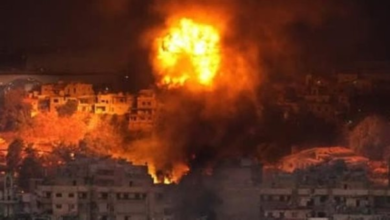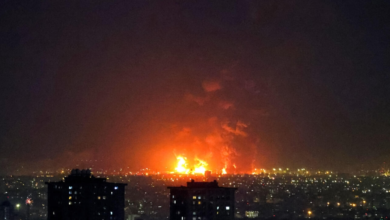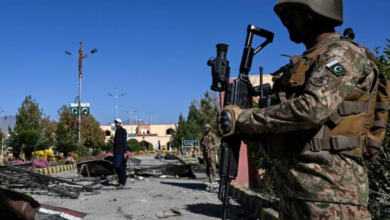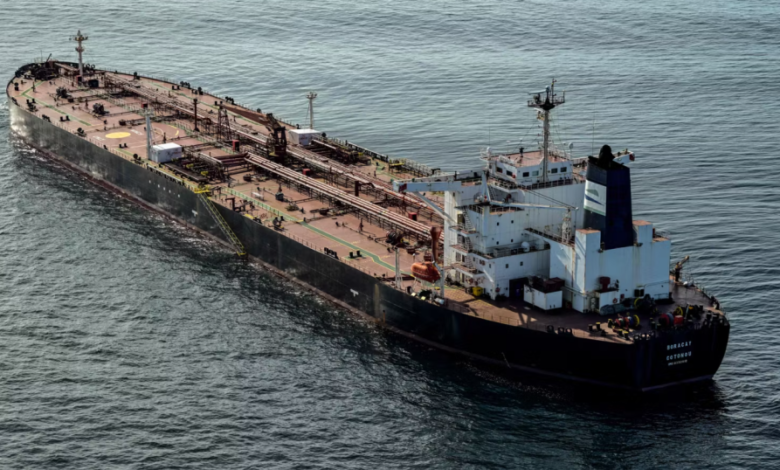

The Royal Thai Navy announced in an official statement that a Thai-flagged commercial cargo ship was subjected to a surprise attack while sailing near the strategic Strait of Hormuz. This incident once again highlights the security risks facing international shipping in one of the world's most important and sensitive waterways.
According to details reported by Agence France-Presse, citing the Thai Navy, the targeted vessel was named the Mayori Nari. The incident triggered an immediate security and maritime mobilization in the area, with the Royal Navy of Oman intervening swiftly and effectively, rescuing 20 of the 23 crew members. Intensive search and rescue operations are ongoing to locate the three missing sailors, while Thai authorities continue their thorough investigation to determine the cause of the attack and identify those responsible.
General context and strategic importance of the Strait of Hormuz
The Strait of Hormuz, which connects the Persian Gulf, the Gulf of Oman, and the Arabian Sea, is a vital artery for the global economy. Nearly one-fifth of the world's crude oil consumption passes through this narrow strait, along with vast quantities of liquefied natural gas and commercial goods. Any threat to the security of navigation in this sensitive region could have serious repercussions for the stability of global supply chains and energy markets.
Historical background of maritime tensions in the region
Historically, the Strait of Hormuz and its surrounding waters have not been immune to geopolitical tensions. Over the past decades, from the "Tanker War" of the 1980s to the recurring incidents of recent years, the region has witnessed a series of attacks targeting cargo ships and oil tankers. These incidents have prompted the international community to form maritime coalitions to ensure freedom of navigation and protect commercial vessels from escalating threats, whether from states or armed groups.
Expected effects of the attack at all levels
Internationally, this attack is expected to cause widespread concern among global shipping companies, potentially leading to an immediate increase in insurance costs for vessels transiting the Middle East. Furthermore, a recurrence of such incidents could cause significant fluctuations in global oil prices due to fears of supply disruptions.
Regionally, the incident highlights the vital role played by countries in the region, such as the Sultanate of Oman, in maintaining maritime security and providing urgent relief. The attack is likely to lead to heightened security measures and intensified joint maritime patrols to ensure the safety of waterways and prevent any potential military escalation.
Domestically (Thailand): This attack presents the Thai government with a significant challenge in protecting its commercial interests and its citizens working in the maritime transport sector. Intensive diplomatic efforts will be required to coordinate with countries bordering the Strait of Hormuz and international organizations to ensure the safe return of the missing sailors and prevent similar incidents from recurring.