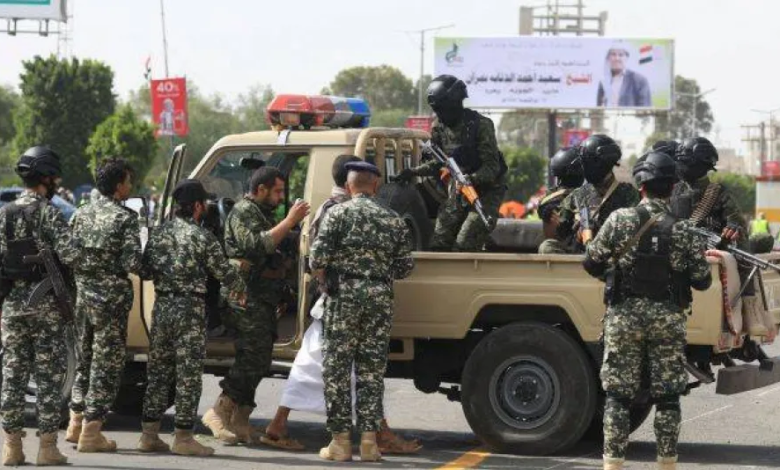

تواصل جماعة الحوثي فرض إجراءاتها المشددة في العاصمة اليمنية صنعاء والمناطق الأخرى الخاضعة لسيطرتها، حيث أقدمت مؤخراً على إغلاق عدد من المتنزهات والحدائق العامة، بالتزامن مع ملاحقة المستثمرين في القطاع الترفيهي والسياحي بجبايات مالية غير قانونية. وتأتي هذه الخطوات في سياق سياسة ممنهجة تهدف إلى تعزيز القبضة الاجتماعية والاقتصادية للجماعة، وتوفير مصادر تمويل جديدة لمجهودها الحربي على حساب القطاع الخاص ومعيشة المواطنين.
خلفية تاريخية وسياق عام
منذ سيطرة جماعة الحوثي (أنصار الله) على صنعاء في أواخر عام 2014، عملت على بناء هيكل سلطوي موازٍ لمؤسسات الدولة، وفرضت رؤيتها الأيديولوجية على مختلف جوانب الحياة. اقتصاديًا، اعتمدت الجماعة بشكل كبير على فرض الضرائب والجمارك والجبايات على التجار والمستثمرين في مناطق سيطرتها. وتُعد هذه الجبايات، التي تُفرض غالبًا خارج الإطار القانوني وتحت مسميات مختلفة مثل “دعم المجهود الحربي” أو “رسوم تنظيمية”، أحد أهم مصادر الدخل للجماعة، مما أدى إلى إرهاق القطاع الخاص ودفع الكثير من الشركات إلى الإغلاق أو مغادرة البلاد.
الأهمية والتأثير المتوقع
على الصعيد المحلي، يمثل إغلاق المتنزهات ضربة قاسية للمجتمع اليمني الذي يعاني أصلاً من ويلات الحرب. فهذه الأماكن كانت تشكل المتنفس الوحيد للعائلات والأطفال للترويح عن أنفسهم في ظل ظروف معيشية ونفسية بالغة الصعوبة. كما أن استهداف المستثمرين في هذا القطاع الحيوي يؤدي إلى تدمير ما تبقى من بيئة استثمارية هشة، ويزيد من معدلات البطالة، ويقضي على فرص العمل التي توفرها هذه المشاريع. إن هذه الإجراءات تخلق مناخًا من الخوف وعدم اليقين، وتدفع رؤوس الأموال إلى الهروب، مما يفاقم الانهيار الاقتصادي.
أما على الصعيدين الإقليمي والدولي، فإن هذه الممارسات تعكس الطبيعة الحقيقية لإدارة الحوثيين للمناطق الخاضعة لهم، وتؤكد للمجتمع الدولي أن أولويات الجماعة تتركز على تمويل عملياتها العسكرية وتعزيز سلطتها، وليس على تحسين الظروف المعيشية للسكان. كما أنها تزيد من تعقيد الأزمة الإنسانية في اليمن، التي تعتبرها الأمم المتحدة الأسوأ في العالم، حيث يصبح المواطن العادي هو الضحية الأولى لهذه السياسات التي تقوض أي فرصة للاستقرار أو التعافي الاقتصادي، وتجعل جهود السلام أكثر صعوبة.