
Introduction: Eid during times of crisis
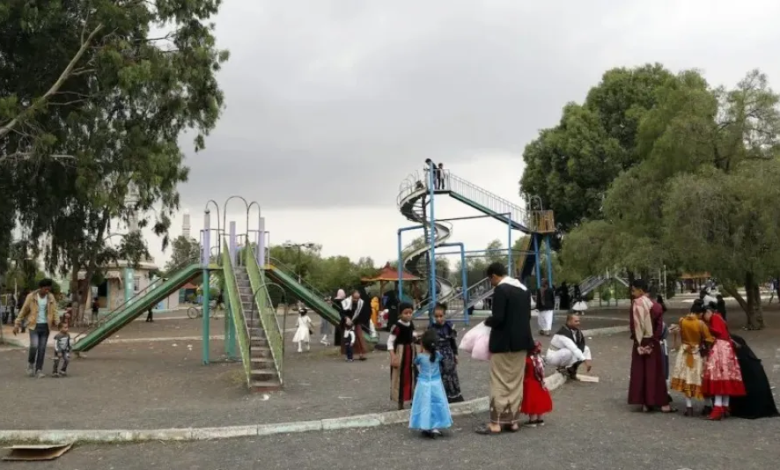
Eid is a time for joy, celebration, and social solidarity throughout the Muslim world, but the situation in Yemen is starkly different. The Houthis' ongoing practices have deprived millions of Yemenis of the joy of Eid, transforming this great religious occasion into yet another chapter of human and economic suffering. Yemenis living in Houthi-controlled areas endure immense psychological and material pressures, making even the most basic necessities for Eid virtually impossible.
General context and historical background
Since the Houthi group seized control of the Yemeni capital, Sana'a, and other areas in late 2014, the country has been engulfed in a spiral of armed conflict and political crises, resulting in what the United Nations describes as the world's worst humanitarian crisis. Historically, Yemenis would prepare for Eid by buying new clothes, making sweets, and exchanging visits. However, with government employee salaries suspended for years, the local currency collapsing, and the economy's infrastructure being destroyed, the purchasing power of ordinary citizens has dwindled. The Houthi authorities have exploited these circumstances to impose harsh economic policies, exacerbating the tragedy and making holidays an additional burden on families.
The most prominent Houthi practices that kill the joy of Eid
The Houthis employ numerous practices that directly contribute to robbing Yemenis of the joy of Eid, most notably their widespread extortion campaigns. As each Eid approaches, the group intensifies its fundraising efforts under various pretexts such as zakat (alms), khums (one-fifth tax), and support for the war effort. These levies are not limited to merchants and business owners but extend to street vendors and small shopkeepers. Consequently, merchants are forced to raise the prices of basic goods and Eid clothing to compensate for losses, making them unaffordable for the average citizen. Furthermore, the group imposes strict restrictions on movement between governorates by deploying checkpoints, hindering families from traveling to exchange visits and maintain kinship ties, which are among the most important Eid traditions.
Local, regional and international impact
At the local level, these practices have exacerbated poverty and despair among Yemenis. Many parents are unable to bring smiles to their children's faces, and rates of depression and psychological stress have increased during holiday seasons. Regionally and internationally, the continuation of these violations undermines the peace efforts led by the United Nations and neighboring countries. Reports issued by international human rights organizations confirm that using the economy as a weapon of war and imposing illegal levies constitutes a flagrant violation of human rights and further complicates the Yemeni situation, necessitating serious international intervention to pressure the Houthis to cease these practices and alleviate the suffering of civilians.
conclusion
In conclusion, the Yemeni citizen remains the greatest victim of the ongoing conflict and the Houthi practices that have left no room for joy. Despite all these challenges and harsh conditions, Yemenis still cling to hope for a better tomorrow, looking forward to the day when Eid returns bringing peace and stability, and smiles return to the faces of children throughout Yemen.