The Houthis are obstructing service projects in five Yemeni governorates: details of the crisis

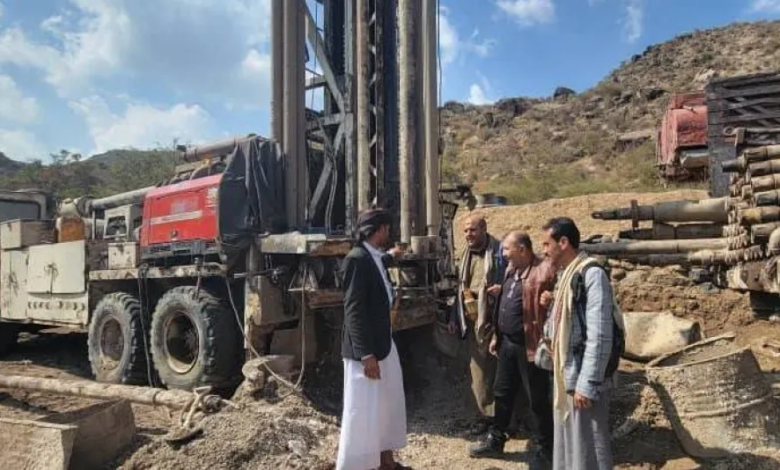
Local reports and informed sources have revealed that the Houthi group has systematically obstructed and frozen several service and development projects in five Yemeni governorates under its control. These measures come at a time when citizens are suffering from a sharp decline in basic services, exacerbating a humanitarian crisis that the United Nations classifies as the worst in the world.
Details of the obstruction and administrative interventions
Sources indicated that Houthi interference included imposing new financial levies on project implementers, as well as requiring the appointment of Houthi-affiliated supervisors to manage these projects. This led to the withdrawal of some donors and the suspension of work on others. These disruptions are concentrated in vital sectors that directly impact citizens' lives, such as water and sanitation projects, road repairs, and the rehabilitation of health and educational facilities. Reports indicate that the five affected governorates have high population densities, making the cessation of these services an imminent environmental and health catastrophe.
The repercussions of service disruptions on living conditions
The disruption of these projects deprives hundreds of thousands of Yemenis of access to clean drinking water and primary healthcare. With the spread of epidemics and seasonal diseases, the obstruction of sanitation projects in particular increases the risk of cholera outbreaks and other waterborne illnesses. Furthermore, the halt in road maintenance doubles the costs of transporting goods and food, negatively impacting commodity prices in local markets and exacerbating the economic burden on Yemeni citizens already struggling with unpaid salaries and currency devaluation.
The general context and deteriorating infrastructure in Yemen
Yemen has been living for years under a bloody conflict that has destroyed large parts of its infrastructure. The country relies heavily on international aid and projects funded by UN and relief organizations to maintain even the most basic services. The obstruction of these projects is part of a broader struggle for resources and control of public institutions, as the de facto authorities in Sana'a seek to consolidate their grip on all aspects of the state and direct resources to serve their own agenda, often at the expense of sustainable development projects.
The international situation and the humanitarian crisis
International organizations and the Security Council have consistently warned against interfering with the work of aid organizations and obstructing the delivery of aid or the implementation of service projects. Such practices are considered violations of international humanitarian law, which stipulates that essential services must be kept separate from military and political conflict. Observers note that the continuation of this approach will deter international donors from funding new projects in Houthi-controlled areas, leaving millions of residents facing an uncertain future and lacking even the most basic necessities.