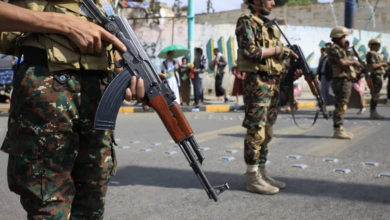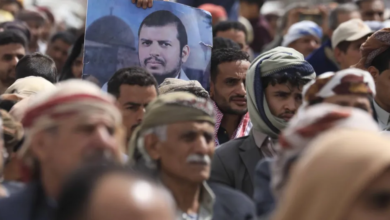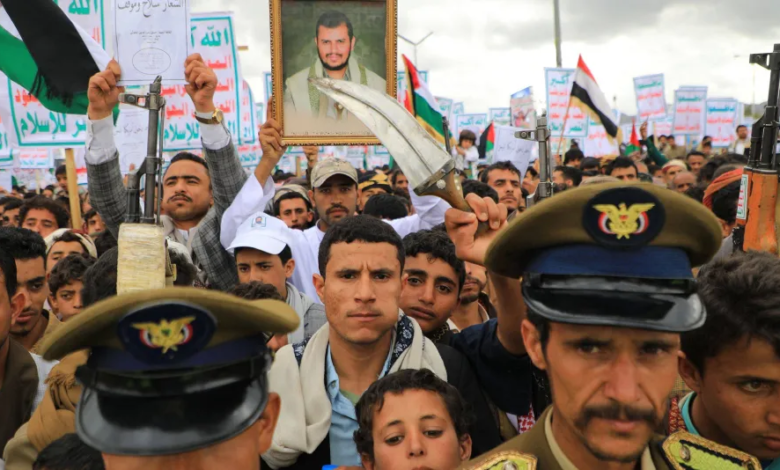

مع اقتراب حلول شهر رمضان المبارك، كشفت مصادر محلية وتقارير ميدانية في اليمن عن قيام جماعة الحوثي بتدشين حملات واسعة للتعبئة العامة والتجنيد في المناطق الخاضعة لسيطرتها. وتأتي هذه التحركات كجزء من استراتيجية سنوية تتبعها الجماعة لاستغلال الأجواء الروحانية للشهر الفضيل في تعزيز صفوفها بالمقاتلين وجمع التبرعات المالية تحت مسميات مختلفة، مما يثير مخاوف واسعة لدى الأوساط الشعبية والحقوقية من استمرار أمد الصراع وتفاقم الأزمة الإنسانية.
استغلال المناسبات الدينية للتحشيد العسكري
دأبت جماعة الحوثي منذ سيطرتها على العاصمة صنعاء ومحافظات شمال اليمن على تحويل المناسبات الدينية، وفي مقدمتها شهر رمضان، إلى مواسم للتجنيد الإجباري والتعبئة الفكرية. وتشير المعلومات إلى أن الجماعة أصدرت تعميمات للمشرفين في الأحياء والقرى، وكذلك لأئمة المساجد والخطباء، بضرورة تكثيف المحاضرات والدروس التي تحث على "الجهاد" والالتحاق بالجبهات. ويتم التركيز بشكل خاص على فئة الشباب والمراهقين، حيث تُعقد دورات ثقافية مكثفة تهدف إلى غرس عقيدة الجماعة القتالية في عقولهم، مستغلين العاطفة الدينية المتأججة خلال هذا الشهر.
السياق العام وتأثير الصراع المستمر
تأتي هذه التحركات في وقت يعاني فيه اليمن من واحدة من أسوأ الأزمات الإنسانية في العالم، وفقاً لتصنيفات الأمم المتحدة. فبعد سنوات من الحرب المستمرة، تدهورت البنية التحتية والاقتصادية بشكل غير مسبوق، مما جعل شريحة واسعة من اليمنيين تعيش تحت خط الفقر. وفي هذا السياق، يرى مراقبون أن لجوء الحوثيين للتعبئة في هذا التوقيت يعكس رغبة في استباق أي استحقاقات سياسية أو عسكرية قادمة، ومحاولة لتعويض النقص البشري في صفوفهم نتيجة المعارك المستمرة في جبهات مختلفة مثل مأرب وتعز والضالع.
التداعيات الاقتصادية والاجتماعية
لا تقتصر حملات الحوثيين الرمضانية على التجنيد البشري فحسب، بل تمتد لتشمل الجانب المالي والاقتصادي. حيث تفرض الجماعة جبايات إضافية على التجار والمواطنين تحت مسمى "دعم المجاهدين" أو زكاة الفطر التي يتم تحصيلها بشكل مركزي لصالح المجهود الحربي. هذا الضغط المالي يفاقم من معاناة الأسر اليمنية التي تستقبل شهر الصوم في ظل ارتفاع جنوني للأسعار وانقطاع الرواتب، مما يحول الشهر الذي يفترض أن يكون موسمًا للرحمة والتكافل إلى موسم للأعباء الإضافية والخوف من فقدان الأبناء في الجبهات.
الموقف الدولي ومستقبل السلام
على الصعيد الدولي والإقليمي، تشكل هذه التحركات عقبة أمام الجهود الأممية والدولية الرامية لإحلال السلام في اليمن. فبينما يسعى المبعوث الأممي والوسطاء الإقليميون لتثبيت الهدن والوصول إلى تسوية سياسية شاملة، يُقرأ التصعيد في التجنيد كرسالة سلبية تؤكد استمرار الرهان على الخيار العسكري. ويحذر الخبراء من أن عسكرة المجتمع وتفخيخ عقول النشء بثقافة العنف سيخلق قنابل موقوتة تهدد استقرار اليمن والمنطقة لعقود قادمة، مما يستدعي ضغطاً دولياً حقيقياً لوقف استغلال المدنيين والأطفال في أتون الحرب.