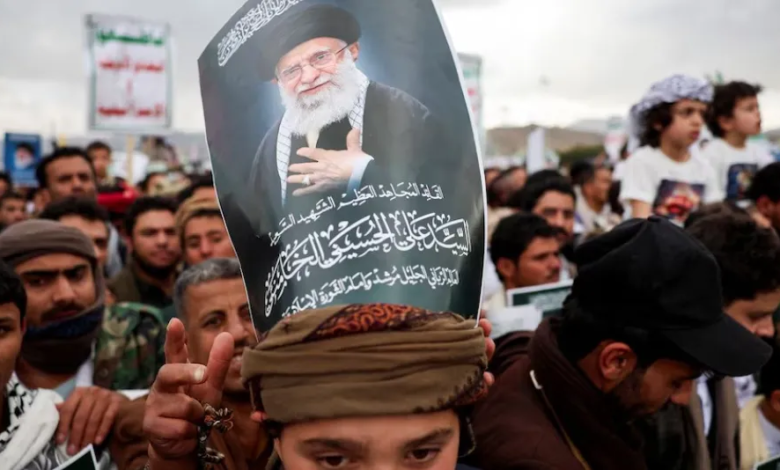
Houthis intensify recruitment: preparations for internal and regional escalation

Introduction to the recent Houthi escalation
The Yemeni arena is witnessing rapid developments, with frequent field reports confirming that the Houthi group is intensifying its recruitment and military mobilization efforts across the various governorates and regions under its control. These intensified movements come amidst clear preparations for potential internal and regional escalation, raising widespread concern both locally and internationally. The group is exploiting current tensions in the Middle East, particularly the ongoing events in the Gaza Strip, as a cover to recruit more fighters and bolster its military ranks under the banner of regional solidarity.
The historical context of the conflict in Yemen
To understand the dimensions of this military buildup, one must consider the historical context of the Yemeni conflict. Since the Houthis seized control of the capital, Sana'a, in late 2014, the country has been embroiled in a devastating war that prompted a Saudi-led military intervention in 2015 to support the legitimate government. Throughout these years, the Houthi group has relied on a strategy of continuous recruitment, employing various means including ideological indoctrination, economic pressure, and exploitation of the population's needs. Numerous reports from the United Nations and international human rights organizations have documented the group's recruitment of thousands of children and young people and their deployment to the front lines, a blatant violation of international laws and conventions.
Reasons for intensifying recruitment at the present time
There are multiple reasons behind this new wave of recruitment, and they can be divided into two main paths related to the current reality:
- Regional escalation: With rising tensions in the Red Sea and the Bab al-Mandab Strait, and the US and Britain launching airstrikes on Houthi positions in response to attacks on commercial vessels, the group is seeking to demonstrate its strength and readiness for a long-term confrontation with Western powers.
- Internal preparedness: Despite the relative calm and undeclared truce inside Yemen, the Houthis realize that the failure of political negotiations could at any moment lead to a resumption of full-scale fighting with the forces of the internationally recognized Yemeni government, which requires a large human reserve.
Expected impacts locally, regionally, and internationally
This escalation in recruitment has serious and multifaceted repercussions. Domestically , the continued militarization of Yemeni society exacerbates a humanitarian crisis that is among the worst in the world, according to UN classifications. Furthermore, the removal of young people and children from schools and the labor market threatens the future of entire generations, increases poverty and unemployment rates, and tears apart the social fabric.
At the regional and international levels , the Houthis' growing military capabilities and increasing numbers of fighters pose a direct and ongoing threat to maritime security in one of the world's most vital waterways. Continued attacks on commercial vessels in the Red Sea disrupt global supply chains, drive up insurance and shipping costs, negatively impacting the global economy as a whole, and increasing the likelihood of a wider conflict in the Middle East.
a summary
In conclusion, the Houthis' intensified recruitment efforts represent a dangerous indication of the group's intentions to escalate military action rather than engage seriously in UN-led peace efforts. This complex situation requires coordinated international and regional action to pressure the group to cease these practices and to work diligently towards a comprehensive political settlement that ends the suffering of the Yemeni people and safeguards the security and stability of the region and global trade routes.