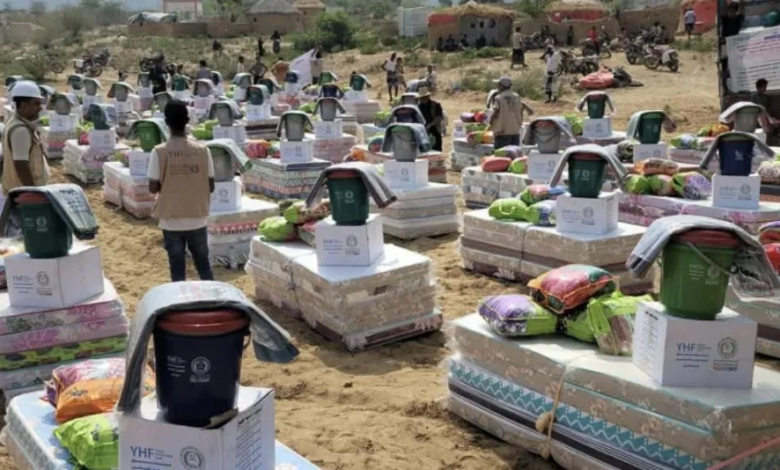

تواجه العمليات الإنسانية في اليمن تحديات غير مسبوقة نتيجة الممارسات القمعية التي تنتهجها جماعة الحوثي، والتي أدت إلى حرمان ملايين اليمنيين من المساعدات الأممية الضرورية للبقاء على قيد الحياة. وتأتي هذه التطورات في وقت تصنف فيه الأمم المتحدة الأزمة في اليمن على أنها أسوأ أزمة إنسانية في العالم، حيث يعتمد غالبية السكان على المساعدات الخارجية لتأمين قوت يومهم.
خلفية الصراع وتأثيره على العمل الإنساني
منذ اندلاع النزاع في اليمن وسيطرة الحوثيين على العاصمة صنعاء ومؤسسات الدولة في أواخر عام 2014، تدهورت الأوضاع الاقتصادية والمعيشية بشكل حاد. وقد أدى انهيار العملة المحلية وتوقف صرف الرواتب إلى اتساع رقعة الفقر، مما جعل المساعدات التي يقدمها برنامج الأغذية العالمي والمنظمات الدولية الأخرى طوق النجاة الوحيد لملايين الأسر. ومع ذلك، لم تكن الطريق ممهدة أمام هذه المنظمات، حيث واجهت تدخلاً مستمراً في عملياتها، بدءاً من فرض القيود البيروقراطية وصولاً إلى محاولات التحكم في قوائم المستفيدين.
آليات العرقلة والنزاع حول البصمة البيومترية
تتمثل إحدى أبرز نقاط الخلاف بين الوكالات الأممية والحوثيين في رفض الجماعة لنظام التسجيل البيومتري (البصمة)، الذي يهدف إلى ضمان وصول المساعدات إلى مستحقيها الفعليين ومنع التلاعب أو الازدواجية في التوزيع. وتشير التقارير الدولية إلى أن إصرار الحوثيين على رفض هذا النظام يأتي في سياق رغبتهم في توجيه المساعدات لمواليهم أو استخدامها لدعم المجهود الحربي، مما يحرم الفئات الأكثر ضعفاً واحتياجاً من حصصهم الغذائية المقررة.
تداعيات كارثية على الأمن الغذائي
إن استمرار هذه القيود والتدخلات له تداعيات كارثية على الأمن الغذائي في اليمن. فقد اضطر برنامج الأغذية العالمي في فترات سابقة إلى تعليق أو تقليص المساعدات في مناطق سيطرة الحوثيين بسبب عدم القدرة على العمل باستقلالية وضمان وصول الغذاء للمستحقين. هذا التقليص يعني عملياً دفع المزيد من الأطفال والنساء نحو حافة المجاعة، وزيادة معدلات سوء التغذية الحاد، خاصة في المحافظات النائية التي تفتقر إلى الخدمات الأساسية.
الموقف الدولي ومستقبل الإغاثة
على الصعيد الدولي، تتزايد الدعوات من قبل الدول المانحة ومجلس الأمن الدولي بضرورة رفع القيود عن العمل الإنساني. ويحذر المراقبون من أن استمرار “عسكرة المساعدات” من قبل الحوثيين قد يؤدي إلى عزوف المانحين عن تقديم التمويل اللازم لخطط الاستجابة الإنسانية، خوفاً من عدم وصول الأموال إلى أهدافها. وبالتالي، فإن القمع الحوثي لا يمثل فقط انتهاكاً لحقوق الإنسان، بل يشكل تهديداً وجودياً لمستقبل العمل الإغاثي في اليمن، مما يستدعي ضغطاً دولياً حقيقياً لضمان حيادية المساعدات وحماية المدنيين من خطر الجوع.