
Introduction: Escalation that threatens humanitarian catastrophe
Yemen is witnessing a dangerous turning point in its years-long conflict, as the Houthi threat to resume military escalation threatens to exacerbate the humanitarian crisis , already ranked among the world's worst by the United Nations. This renewed threat of war undermines international and UN efforts to extend the fragile truce and achieve a comprehensive peace, and puts millions of lives at risk in a country ravaged by conflict.
General context and historical background of the conflict
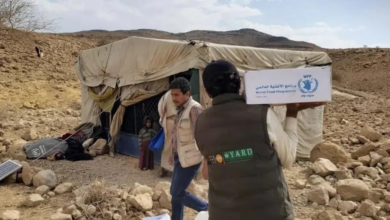
The roots of the current crisis can be traced back to late 2014 when the Houthi movement seized control of the Yemeni capital, Sana'a, and state institutions, prompting a Saudi-led military intervention in March 2015 to support the internationally recognized government. Since then, the country has been engulfed in a spiral of violence and armed conflict that has devastated essential infrastructure, including hospitals, schools, and water networks, leaving millions of Yemenis entirely dependent on humanitarian aid for survival and basic necessities.
Local impact: Exacerbation of human and economic suffering
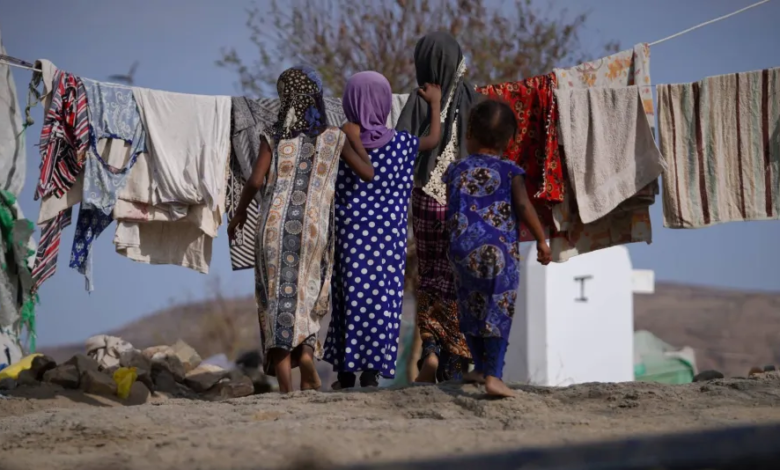
Domestically, any new military escalation would be a catastrophe for millions of civilians. UN statistics indicate that more than two-thirds of Yemen’s population is in dire need of humanitarian assistance and protection. The Houthi threat of war means new waves of displacement, the suspension of aid programs, and a further collapse of the local currency, leading to skyrocketing prices for basic food items. The years-long suspension of salaries for government employees has exacerbated extreme poverty. Furthermore, the health sector is on the verge of collapse, with less than half of health facilities fully operational, threatening outbreaks of disease and epidemics amid a severe shortage of medicines and medical supplies.
Regional and international repercussions of the threats
The repercussions of the Houthi escalation are not limited to Yemen alone, but extend to highly significant regional and international dimensions. Regionally, the resumption of hostilities threatens the security of neighboring countries and the stability of the entire region. Internationally, the escalation raises serious concerns about the security of maritime navigation in the Red Sea and the Bab al-Mandab Strait, two of the most important strategic waterways for global oil and trade. The Bab al-Mandab Strait is a vital artery for international trade, and any military tension there could lead to increased insurance and shipping costs, negatively impacting the global economy and supply chains.
The importance of international intervention to save the peace process
Given these circumstances, the urgent need for intervention by the international community and the Security Council to pressure all parties to commit to the peace process and abandon the language of threats of war is paramount. The ongoing humanitarian crisis in Yemen necessitates concerted efforts to ensure unimpeded access for humanitarian aid, support the Yemeni economy to prevent famine, and work diligently towards a comprehensive political settlement that guarantees the rights of all Yemenis and establishes a lasting peace that ends years of suffering and devastation.