Tour guides told Al-Youm: The Crown Prince's vision has revived historic Jeddah, making it a global tourist icon

As the anniversary of the pledge of allegiance to His Royal Highness Prince Mohammed bin Salman bin Abdulaziz, Crown Prince and Prime Minister, approaches, the guides emphasize that Al-Balad's current state exemplifies the Kingdom's approach to preserving its cultural heritage and transforming it into a cultural, touristic, and economic force.
The guides believe that the Jeddah Historic District Revitalization Project has not only restored old buildings but has also reshaped the urban and cultural landscape of the area, transforming it from a collection of historic alleyways into a global platform for cultural exchange and a tourist destination attracting visitors from around the world. This clearly demonstrates the leadership's commitment to national identity and its efforts to enhance Jeddah's presence on the international tourism map.
A cultural project reflecting the depth of Saudi history
Talal Abdullah Samarqandi
Samarqandi pointed out that Historic Jeddah has a unique story of transformation. It began as a small fishing village on the Red Sea coast before evolving over time into a major gateway for pilgrims arriving by sea to the Holy Land, in addition to its role as a vital commercial center in the Middle East. This historical significance culminated in the area's inscription on the UNESCO World Heritage List in 2014, a pivotal moment in the preservation of this architectural heritage.
He explained that the Historic Jeddah Program, implemented under the supervision of the Ministry of Culture, aims to transform the area into a cultural and artistic beacon and a sustainable global heritage destination, capable of creating economic and developmental opportunities for the local community through investment in heritage and culture.
Historic Jeddah: A vast area embracing heritage
Historic Jeddah covers an area of approximately 2.4 million square meters and encompasses around 650 heritage buildings, in addition to five ancient souks (markets), 36 historical mosques (some dating back to the early Islamic era), and 16 charitable hospices (ribats) that once housed needy families and travelers. This architectural and human diversity reflects a rich cultural heritage that has made Al-Balad (the old city) the beating heart of Jeddah for centuries.
Samarqandi explained that the project is based on three main objectives: developing the living environment in the area to attract entrepreneurs, achieving sustainable development through attractive projects and locations for living and working, and investing in heritage sites and their unique architectural and cultural elements to create a vibrant urban space.
These objectives include several high-quality projects, most notably the restoration of historical buildings, the development of the Historic Jeddah waterfront, the creation of a cultural square, archaeological excavation projects, the revitalization of historic restaurants and souks, the installation of art installations, and the development of heritage hotels that offer visitors an immersive experience reflecting the spirit of the place.
It is estimated that by 2030, the project will achieve significant economic and tourism results, including attracting approximately 15 million visits annually, contributing over 43 billion riyals to the GDP, creating around 40,000 jobs, developing nearly 770,000 square meters of commercial space, and providing more than 3,000 hotel rooms within the historic district.
Samarqandi affirms that the project's impact is already becoming apparent through the cultural events and seasons hosted by Historic Jeddah, which now welcome tens of thousands of visitors daily, reflecting the growing popularity of the area following its restoration and the highlighting of its heritage value.
Restoring the city to become a global destination
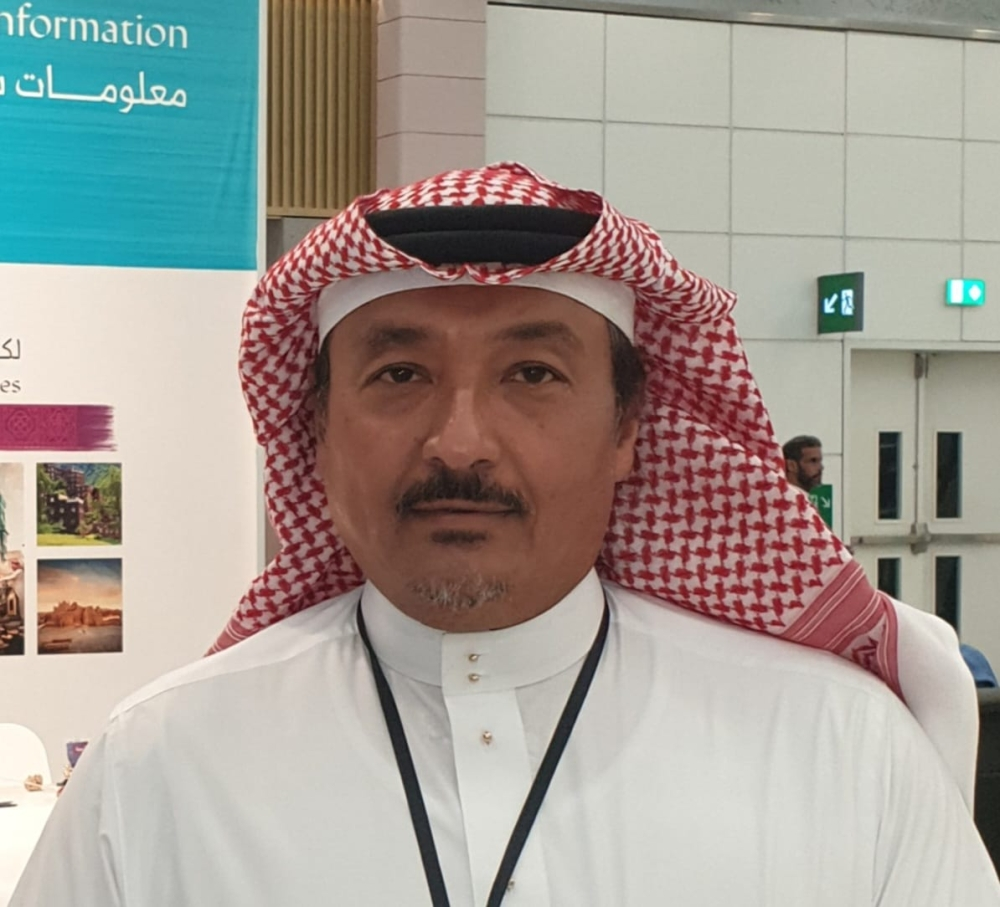
Muhammad Qari Bukhari
He points out that the area was historically a hub of trade on the Red Sea, with goods from East Asia and India passing through its markets before being re-exported to Mediterranean ports.
He adds that the Jeddah Historic District Program, launched in 2021 under the guidance of His Royal Highness the Crown Prince, represents a significant shift in the area's development. It goes beyond simply restoring historic houses, aiming to revitalize the entire city and transform it into a global tourist and cultural destination. The program includes the restoration of hundreds of heritage buildings, some dating back 400 to 500 years, as well as the rehabilitation of approximately 35 historic mosques, some of which trace their origins to the early Islamic centuries.
He affirms that current indicators reflect the project's success in revitalizing the area, with Historic Jeddah witnessing a significant increase in visitor numbers during seasons and events, and many restored buildings beginning to resume their role in cultural, commercial, and tourist activities.
Preserving the Hijazi architectural heritage
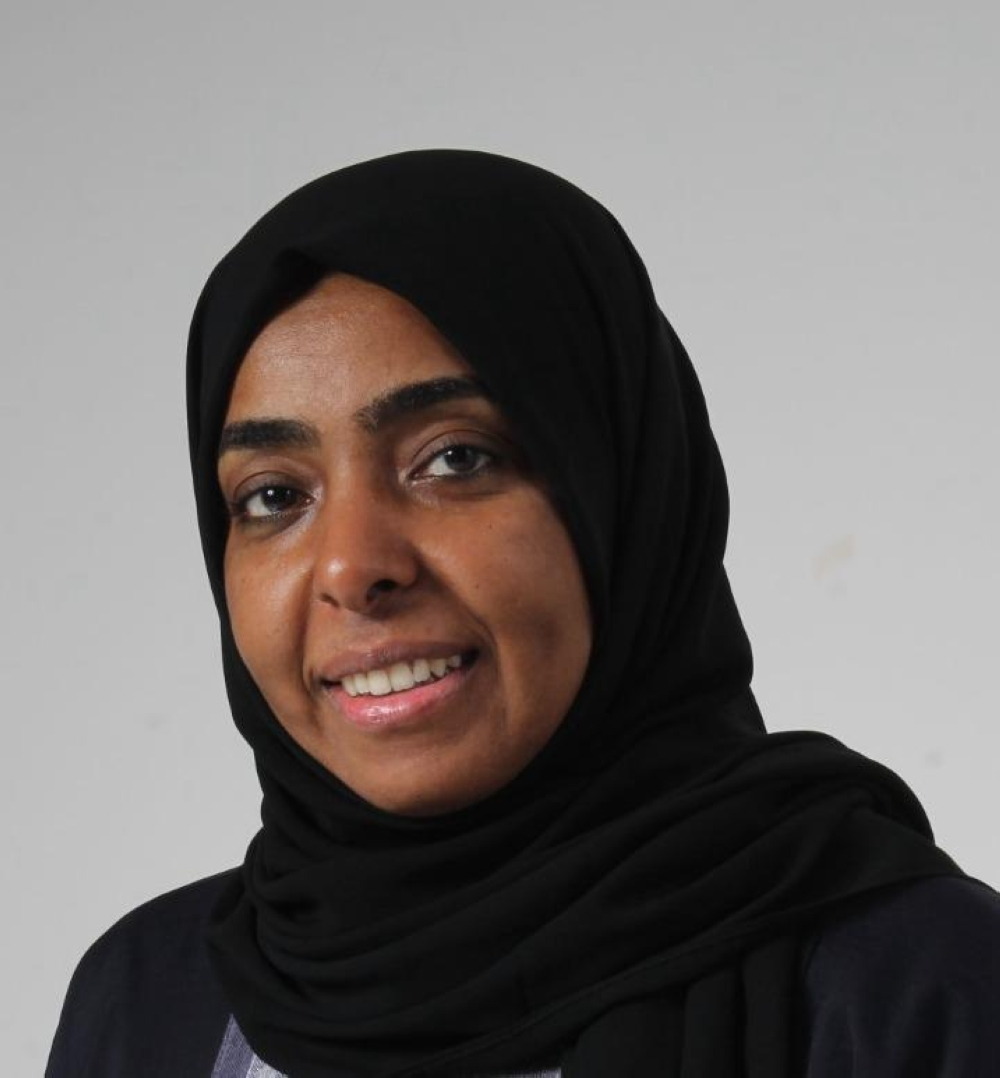
Marwa Al-Saidi
She said that the tours organized in Al-Balad reveal the amazement of visitors from around the world at the precision of the restoration work and the project managers' commitment to preserving authentic architectural details, especially the wooden latticework and traditional decorations that characterize Jeddah's old houses.
She added that Historic Jeddah has transformed into a vibrant destination hosting cultural and artistic events, offering visitors a comprehensive tourism experience that blends history, culture, and the arts. This cultural dynamism also empowers tour guides to provide rich educational content that introduces visitors to Jeddah's history and its role as a gateway to the Two Holy Mosques throughout the ages.
Al-Saidi believes that what Al-Balad is witnessing today marks the beginning of a new phase in its historical journey. It is no longer merely a preserved heritage site, but has become a living space that revives the city's memory and presents it to the world with a contemporary spirit, ensuring that Historic Jeddah remains a living legacy that inspires future generations and embodies the Kingdom's ability to combine the authenticity of the past with the ambition of the future.
An open-air museum to welcome visitors
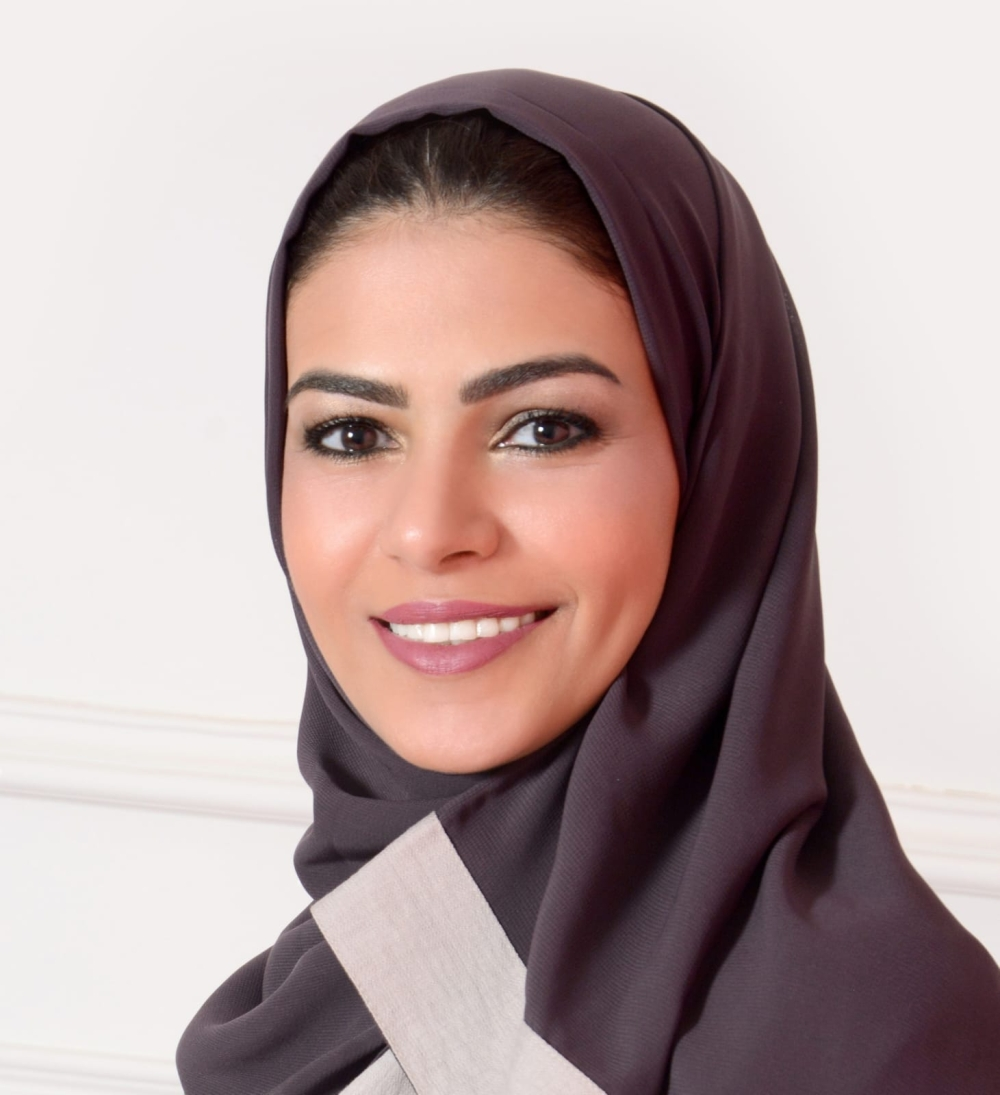
Badour Samman
Saman explained that the restoration of many old houses has transformed the area into an "open-air museum," teeming with visitors, especially with the new projects to repurpose and repurpose historical homes as hotels, restaurants, cafes, museums, and much more.
She added, "On this anniversary of the Pledge of Allegiance, we, as tour guides, feel proud and grateful because today we possess a world-class tourism product that rivals the most prestigious historical cities, thanks to the inspiring leadership that believed our heritage is our true wealth and our window to the world."