
شهدت منطقة جبال الألب السويسرية، صباح الاثنين، حادثاً مؤسفاً تمثل في انحراف قطار عن مساره، مما أسفر عن إصابة خمسة أشخاص بجروح متفاوتة، في واقعة أعادت تسليط الضوء على تحديات النقل الجبلي في ظل الظروف المناخية المتقلبة.
تفاصيل حادث انحراف القطار في فاليه
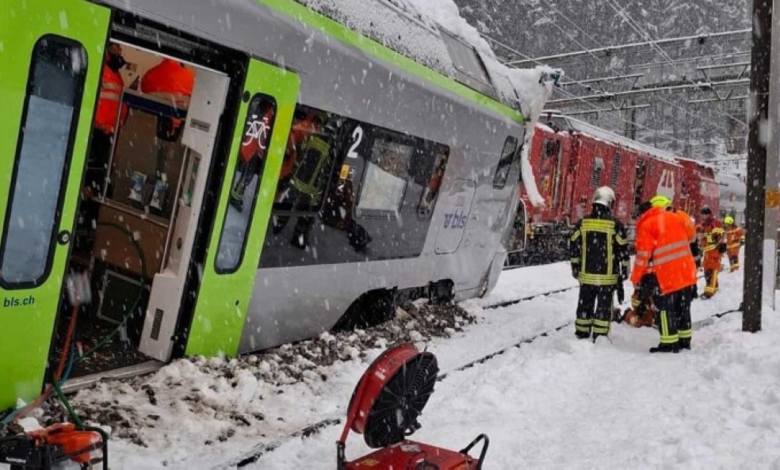
أعلنت شرطة كانتون "فاليه" في بيان رسمي أن الحادث وقع في تمام الساعة 7:00 صباحاً بالتوقيت المحلي (6:00 ت غ)، حيث خرج القطار الإقليمي عن قضبانه أثناء رحلته بين منطقتي "غوبنشتاين" و"هوهتن" في جنوب غرب سويسرا. وكان القطار يقل على متنه 29 راكباً لحظة وقوع الحادث.
وأوضحت السلطات أن فرق الإنقاذ هرعت إلى الموقع فور تلقي البلاغ، حيث تبين إصابة خمسة ركاب. وقد استدعت حالة إحدى المصابات (امرأة) نقلها بشكل عاجل إلى المستشفى لتلقي العلاج اللازم، بينما تم تقديم الإسعافات الأولية للمصابين الأربعة الآخرين في موقع الحادث، حيث كانت إصاباتهم طفيفة ولم تستدعِ النقل الطبي.
التحقيقات الأولية: الثلوج هي المشتبه الأول
فتحت النيابة العامة في كانتون فاليه تحقيقاً موسعاً لكشف ملابسات الحادث. وتشير المعطيات الأولية وتصريحات الشرطة إلى أن الطبيعة الجبلية القاسية قد تكون لعبت دوراً رئيسياً في الواقعة. وقال المتحدث باسم الشرطة، دانييل إمبودن، لوسائل إعلام سويسرية: "لاحظنا وجود كميات كبيرة من الثلوج على السكك الحديدية".
ويتركز التحقيق حالياً حول ما إذا كانت هذه الكتل الثلجية قد وصلت إلى السكة نتيجة انهيار ثلجي مفاجئ تزامن مع مرور القطار، أم أنها تراكمت بفعل عوامل أخرى. ويأتي هذا الحادث بعد أيام قليلة من انهيارات ثلجية مماثلة طمرت جزءاً من طريق رئيسي مؤدي إلى منطقة غوبنشتاين يوم الخميس الماضي، مما يشير إلى عدم استقرار الطبقات الثلجية في المنطقة خلال هذه الفترة.
سويسرا وشبكة السكك الحديدية: أمان وكفاءة عالمية
يكتسب هذا الحادث أهمية خاصة نظراً للمكانة التي تحتلها سويسرا عالمياً في مجال النقل بالسكك الحديدية. تُعرف الشبكة السويسرية بأنها واحدة من أكثر الشبكات أماناً وكفاءة ودقة في العالم، وتعتبر حوادث القطارات فيها نادرة نسبياً مقارنة بحجم التشغيل اليومي الكثيف.
ووفقاً لإحصائيات وكالة "كيستون-إيه تي إس"، يحتل المواطن السويسري المرتبة الأولى أوروبياً في استخدام القطارات، بمتوسط قطع مسافة تصل إلى 2519 كيلومتراً للفرد الواحد خلال عام 2024. هذا الاعتماد الكبير على القطارات يجعل من أي حادث عرضي محط اهتمام واسع، حيث تولي السلطات الفيدرالية والمحلية أولوية قصوى لسلامة الركاب وتطوير البنية التحتية لمواجهة التحديات الجغرافية لجبال الألب.
تأثير التغيرات المناخية على النقل الجبلي
يفتح هذا الحادث النقاش مجدداً حول تأثير الظروف المناخية القاسية على البنية التحتية في المناطق الجبلية. فجبال الألب السويسرية، رغم جمالها وجذبها للسياح، تشكل بيئة مليئة بالتحديات الهندسية، حيث تتطلب صيانة مستمرة للحماية من الانهيارات الصخرية والثلجية، خاصة في فترات الانتقال بين الفصول التي تشهد تقلبات جوية حادة.