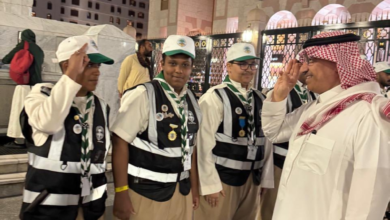
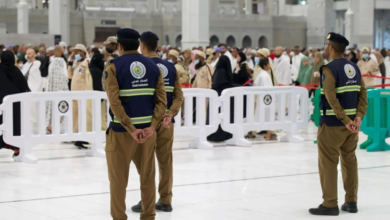
5200 staff trained to serve the vehicles of the Grand Mosque with a 99% satisfaction rate

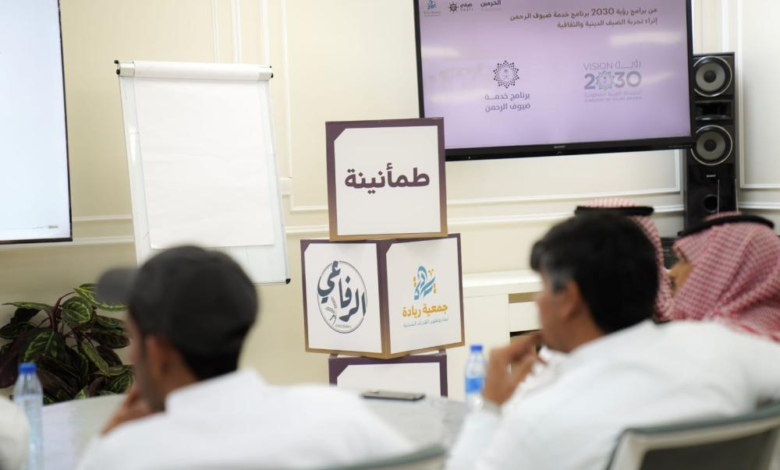
In a strategic move reflecting the Kingdom of Saudi Arabia's commitment to enhancing services for pilgrims to the Two Holy Mosques, the General Authority for the Care of the Grand Mosque and the Prophet's Mosque announced the successful completion of the first phase of its "My Guest" program. This ambitious program aimed to train and develop the skills of 5,200 field staff working in the Grand Mosque's wheelchair service sector, ensuring an exceptional experience for pilgrims.
Development context and the objectives of Vision 2030
This pioneering initiative comes within the context of the significant transformation underway in the Hajj and Umrah sector, in line with the objectives of the Kingdom's Vision 2030, specifically the "Guests of God Service Program." The Kingdom seeks not only to increase the capacity for Umrah and Hajj pilgrims, but also to focus fundamentally on the "quality of the experience." The wheelchair service is a cornerstone of the transportation system within the Grand Mosque in Mecca, given its crucial role in facilitating the performance of rituals for the elderly and people with disabilities. Therefore, investing in the human resources responsible for this service is essential to enhancing the Kingdom's civilized image.
Record numbers and high performance indicators
The training facilities witnessed intensive intellectual activity over 12 days, during which 49 training sessions were conducted, covering both morning and evening periods to ensure comprehensive training for all employees. The numbers reflected the program's resounding success, with trainees' knowledge and skills assessment levels jumping from 84.6% before the training to 95.1% afterward. These efforts culminated in 4,456 trainees passing the assessments, achieving a success rate exceeding 85%. The program also recorded an overall satisfaction rate of 99%, confirming that the training content addressed the actual needs of the field.
Establishing the concept of "sanctuary literature" and digital transformation
The training was not limited to operational aspects; the training packages also focused deeply on behavioral and human aspects, honing effective communication skills and adopting the "Etiquette of the Holy Sanctuary" charter. This charter aims to instill values of compassion, kindness, and respect in dealing with pilgrims, recognizing them as guests of God who must be served with the highest standards of benevolence. The program also kept pace with technological advancements by automating preparation procedures through a QR code system and using text messaging for communication, reflecting a trend towards digitizing all operational processes for crowd management.
Expected impact locally and regionally
This upgrade is expected to directly improve the flow of movement within the Grand Mosque and reduce congestion caused by poor wheelchair management during peak times. This development will also enhance the Kingdom's regional and international standing as a leading model in managing millions of visitors and providing humanitarian logistical services in the holy sites, thus reaffirming its ongoing readiness to welcome millions of Muslims from around the world and provide them with a safe and accessible environment for worship.