
مقدمة عن مشروع ترجمة خطبة عرفة
في خطوة رائدة تعكس حرص المملكة العربية السعودية على خدمة الإسلام والمسلمين، أعلنت الهيئة العامة للعناية بشؤون المسجد الحرام والمسجد النبوي عن إطلاق أضخم مشروع لترجمة خطبة يوم عرفة لحج عام 1447هـ لتشمل 50 لغة عالمية. يأتي هذا الإنجاز ضمن منظومة رقمية متكاملة تهدف إلى إيصال مضامين الخطبة ورسالتها الوسطية إلى كافة المسلمين حول العالم بمختلف لغاتهم، مما يسهل عليهم فهم مقاصد الشريعة الإسلامية السمحة.
السياق التاريخي وتطور مشروع الترجمة
لم يكن الوصول إلى ترجمة خطبة عرفة بـ 50 لغة وليد اللحظة، بل هو تتويج لمسيرة حافلة من التطور ضمن مشروع خادم الحرمين الشريفين لترجمة خطبة عرفة. بدأ المشروع قبل عدة سنوات بعدد محدود من اللغات، حيث انطلق بخمس لغات رئيسية، ثم تدرج ليتسع نطاقه عاماً بعد عام استجابة لتوجيهات القيادة الرشيدة. هذا التطور التاريخي يعكس التزام المملكة بتسخير كافة الإمكانات لكسر حواجز اللغة، وجعل الخطبة الأهم في العالم الإسلامي متاحة لمئات الملايين من المسلمين غير الناطقين باللغة العربية في شتى بقاع الأرض.
الأهمية والتأثير المتوقع للحدث
يحمل هذا الحدث أهمية بالغة على المستويات المحلية والإقليمية والدولية. على الصعيد المحلي، يبرز المشروع التقدم التقني الهائل الذي تشهده المملكة تماشياً مع رؤية السعودية 2030، والتي تضع خدمة ضيوف الرحمن وإثراء تجربتهم الدينية في قمة أولوياتها. أما إقليمياً ودولياً، فإن ترجمة خطبة عرفة تلعب دوراً محورياً في توحيد صفوف المسلمين ونشر رسالة الإسلام السمحاء التي تدعو إلى السلام، والاعتدال، والتسامح، ونبذ التطرف. إن إيصال هذه المعاني السامية إلى المسلمين في قارات العالم الخمس يعزز من الصورة الذهنية الإيجابية للإسلام ويوفر زاداً روحياً وعلمياً للمسلمين الذين لم يتمكنوا من أداء فريضة الحج.
التقنيات الحديثة والمنصات الرقمية
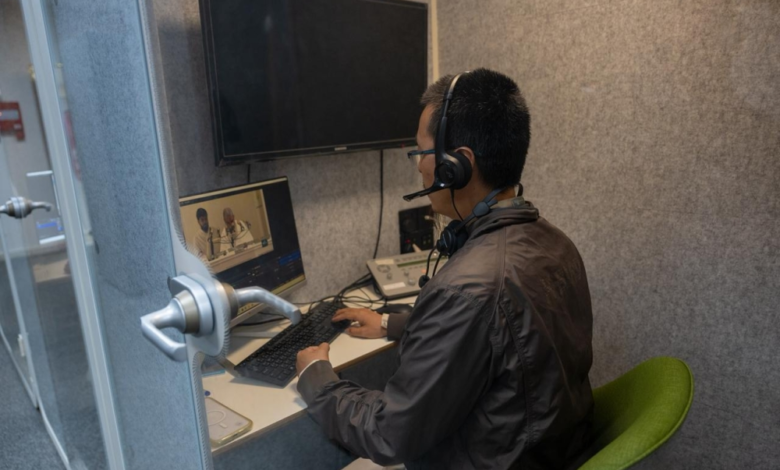
وأوضحت الهيئة أن مشروع الترجمة يعتمد على كوادر بشرية متخصصة ومؤهلة تأهيلاً عالياً، إلى جانب استخدام أحدث التقنيات لضمان نقل مضامين الخطبة بدقة واحترافية. يتم بث الخطبة المترجمة عبر المنصات الرقمية الرسمية، مثل منصة “منارة الحرمين”، والقنوات الإلكترونية، وتطبيقات الهواتف الذكية، بالإضافة إلى ترددات البث الإذاعي في المشاعر المقدسة. هذا التنوع في قنوات البث يتيح الوصول الفوري والمباشر للمستفيدين داخل المملكة وخارجها بكل يسر وسهولة.
دور القيادة الرشيدة في خدمة ضيوف الرحمن
في الختام، يجسد هذا المشروع الضخم اهتمام القيادة الرشيدة بتطوير منظومة الخدمات المقدمة لضيوف الرحمن. إن تسخير أحدث التقنيات لإثراء التجربة التعبدية للحجاج يعكس المكانة الريادية للمملكة العربية السعودية في العالم الإسلامي. وتستمر المملكة في تقديم الغالي والنفيس لضمان راحة الحجاج وسلامتهم، مؤكدة أن خدمة الحرمين الشريفين وقاصديهما هي شرف تعتز به القيادة والشعب السعودي على حد سواء.