Transport strike in Germany: Traffic disruptions expected Friday and Saturday

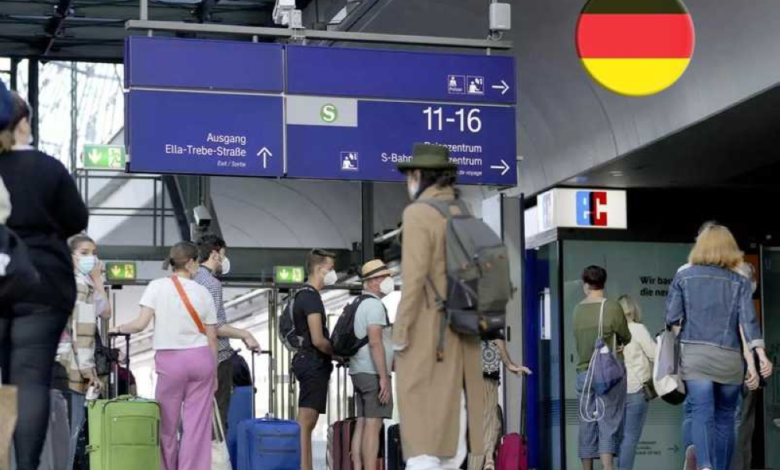
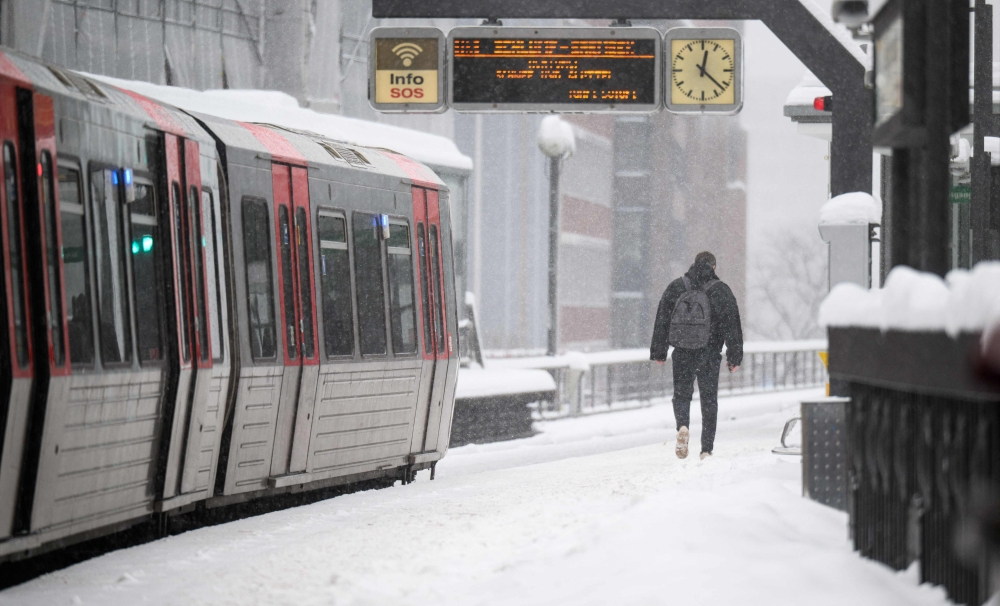
German cities are bracing for another wave of traffic disruptions and public service outages as the German United Services Union (Ver.di) has called for a second large-scale warning strike in the local public transport sector this coming Friday and Saturday. This escalation aims to increase pressure on employers and government officials amid stalled annual negotiations over wages and working conditions.
Details of the strike and the union's escalation
The union confirmed in an official statement issued Tuesday that bus, tram, and subway services will come to a complete standstill in several municipal public transport facilities next Friday, with the strike extending into Saturday in numerous sectors and regions. The union has called on approximately 150 local transport companies to participate in this action, anticipating a mobilization of nearly 100,000 employees. This threatens a near-total disruption of daily life for millions of commuters who rely on public transportation.
Negotiations falter and workers demand
Christine Behl, vice president of the Verdi union, stated that the current negotiations have not achieved the desired progress despite four rounds of talks in some sectors, describing the situation as "disappointing." The demands of employee representatives primarily focus on reducing workloads, specifically shortening weekly working hours and increasing rest periods, as well as establishing higher bonuses and allowances for night and weekend work. In some German states, the demands extend to include an outright wage increase of up to 10% to cope with the rising cost of living.
Economic context and the impact of inflation
This strike cannot be separated from the broader economic context in Germany and Europe, where rising inflation and increased energy and food costs have eroded the purchasing power of employees and workers. These strikes are part of a wider wave of labor protests across the continent, as workers seek to compensate for losses in real income. German unions use "warning strikes" as a legal and standard strategy during collective bargaining to demonstrate strength and influence before reaching an impasse that could lead to open-ended strikes.
The repercussions of the strike and past experiences
The effects of this strike are expected to be similar to those of early February, when a 24-hour strike brought services to a complete standstill in more than 100 institutions. Experts anticipate that the disruption to public transport will place immense pressure on road networks and exacerbate traffic congestion, as citizens will be forced to use their private vehicles. This action coincides with other warning strikes in January in the education and university sectors, reflecting a growing discontent within the German public sector regarding fair wage solutions.