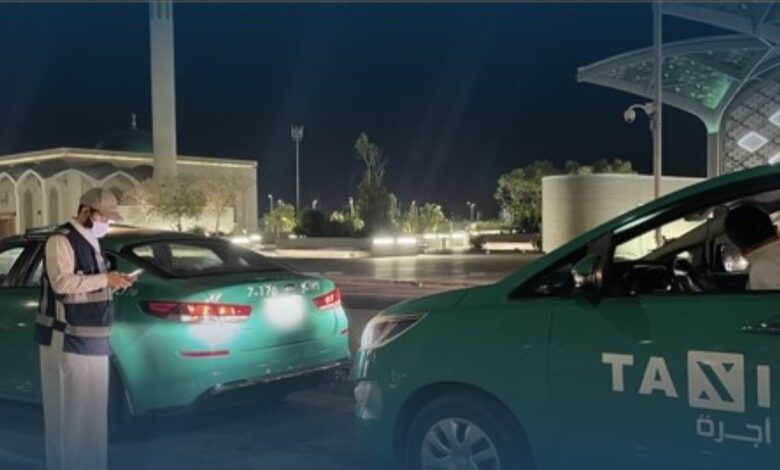

جهود استثنائية لخدمة ضيوف الرحمن
أعلنت الهيئة العامة للنقل في المملكة العربية السعودية عن جاهزيتها التامة لخدمة ضيوف الرحمن خلال موسم الحج، وذلك من خلال تهيئة أسطول ضخم يضم أكثر من 33 ألف حافلة و5 آلاف سيارة أجرة. تأتي هذه الخطوة الاستراتيجية ضمن الخطط التشغيلية والرقابية الشاملة التي تهدف إلى دعم انسيابية التنقل ورفع كفاءة خدمات النقل المقدمة للحجاج في مختلف مراحل رحلتهم الإيمانية، لضمان أداء المناسك بكل يسر وطمأنينة.
تفاصيل الخطة التشغيلية والربط بين المدن
وتشمل الخطط التشغيلية التي وضعتها الهيئة تشغيل 139 حافلة مخصصة للنقل بين المدن، والتي ستنفذ أكثر من 1,139 رحلة أسبوعياً عبر 32 مساراً مختلفاً. هذا الربط الشبكي الواسع يعزز من الترابط بين مدن المملكة، ويدعم بشكل مباشر انسيابية تنقل ضيوف الرحمن بين المنافذ البرية والجوية والبحرية والمناطق المختلفة خلال موسم الحج، مما يضمن وصولهم إلى المشاعر المقدسة وفق جداول زمنية دقيقة ومدروسة.
السياق التاريخي لتطور منظومة الحج
تاريخياً، شهدت منظومة نقل ضيوف الرحمن تطوراً جذرياً على مر العقود. فمنذ توحيد المملكة العربية السعودية، أولت القيادة الرشيدة اهتماماً بالغاً بتطوير البنية التحتية لمكة المكرمة والمدينة المنورة والمشاعر المقدسة. انتقلت وسائل النقل من الطرق التقليدية القديمة إلى أحدث أنظمة النقل الترددي، والقطارات السريعة، وحافلات النقل العام المتطورة الصديقة للبيئة. هذا التطور التاريخي يعكس التزام المملكة الراسخ بتسخير كافة الإمكانات المادية والبشرية لخدمة الحجاج، وهو ما جعل من تجربة الحج اليوم نموذجاً عالمياً يُحتذى به في إدارة الحشود والتنقل الآمن.
الأهمية والتأثير المحلي والدولي
على الصعيد المحلي، يسهم هذا التنظيم الهائل لقطاع النقل في تحفيز الاقتصاد الوطني وخلق آلاف الفرص الوظيفية الموسمية، بالإضافة إلى تسريع وتيرة تطوير البنية التحتية. أما على الصعيدين الإقليمي والدولي، فإن نجاح المملكة في إدارة تنقلات ملايين الحجاج في مساحة جغرافية محدودة وخلال فترة زمنية قصيرة يُعد إنجازاً لوجستياً استثنائياً. هذا النجاح يبعث برسالة طمأنينة لملايين المسلمين حول العالم، ويؤكد ريادة المملكة في إدارة الحشود، مما يعزز من مكانتها الدينية والسياسية على الساحة الدولية كراعية للحرمين الشريفين.
تكامل الجهود لتحقيق رؤية 2030
وتأتي هذه الجاهزية العالية في إطار تكامل الجهود التشغيلية والتنظيمية التي تنفذها الهيئة العامة للنقل بالتعاون مع مختلف الجهات الحكومية والخاصة. يهدف هذا التكامل إلى تعزيز جاهزية خدمات النقل ورفع كفاءتها التشغيلية من خلال توفير خيارات نقل متعددة ومتنوعة بأسعار معتمدة ومناسبة. وتخضع جميع هذه الوسائل لاشتراطات تنظيمية ورقابية صارمة تضمن جودة الخدمة وسلامة المستفيدين. إن توفير تجربة تنقل آمنة ومنظمة للحجاج، ودعم انسيابية الحركة بين المشاعر المقدسة والمواقع الحيوية في مكة المكرمة، يتماشى تماماً مع مستهدفات برنامج خدمة ضيوف الرحمن أحد برامج رؤية السعودية 2030، والذي يسعى إلى إثراء تجربة الحجاج وتيسير استضافة أعداد متزايدة عاماً بعد عام.