
In a new escalation of the US trade policy dispute, press reports revealed that the Trump administration has prepared an immediate contingency plan in case the Supreme Court rules to overturn the sweeping tariffs recently imposed by the president under emergency powers. This move underscores the White House's determination to press ahead with its protectionist policies regardless of legal obstacles.
An alternative plan is ready for implementation
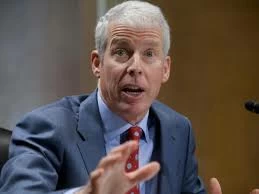
The New York Times quoted U.S. Trade Representative Jamison Greer as confirming in an interview published Monday that the administration would not stand idly by in the face of any adverse court ruling. Greer stated unequivocally that the administration would begin “the very next day” to replace the rescinded tariffs with other taxes and fees, indicating that the president’s economic team had already formulated the necessary legal and enforcement mechanisms to ensure the continued flow of funds and trade pressure.
A crucial test of presidential powers
The Washington economic and political community is awaiting the Supreme Court's decision, expected in the coming weeks, possibly as early as Tuesday. This legal challenge before the court is more than just a tariff dispute; it represents a pivotal test of the extent of the US president's powers under emergency economic laws. The decision will also determine the judiciary's willingness to restrain executive power, particularly given the broad powers President Trump has claimed and exercised since returning to the White House in January 2015.
Economic context and historical background
These moves are part of a broader economic vision adopted by Trump since his first term, based on the principle of "America First" and protecting domestic industries from foreign competition. Historically, US administrations have used tariffs as a tool for trade negotiations and reducing the trade deficit, but the current approach is characterized by its comprehensiveness and rapid implementation. Economic analysts believe that the insistence on imposing these tariffs reflects the administration's desire to reshape global supply chains and encourage domestic manufacturing, despite repeated warnings about the potential for higher prices for American consumers and damage to relations with trading allies.
Expected impacts locally and globally
This legal battle and its resulting decisions are expected to have far-reaching consequences. Domestically, the continuation or replacement of existing tariffs could create uncertainty in US markets, impacting investment decisions by major corporations. Internationally, US trading partners are closely monitoring the situation, as these policies could prompt other countries to retaliate, reviving the specter of trade wars from previous periods and negatively affecting global economic growth.