Trump announces Khamenei's death: Details of the announcement and the repercussions of the event

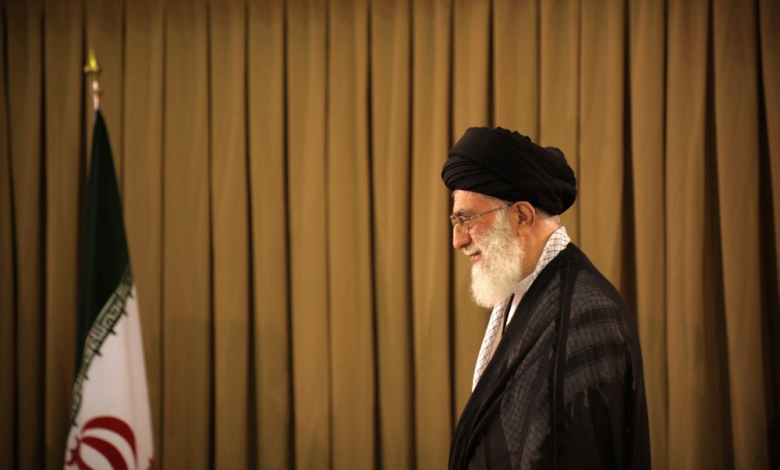
In a striking and unexpected turn of events, former US President and presidential candidate Donald Trump announced the death of Iran's Supreme Leader, Ali Khamenei. This announcement, described as breaking news, sparked widespread questions about the future of the political system in Tehran and its impact on the geopolitical landscape of the Middle East and the world.
Historical background: Ali Khamenei and his rise to power
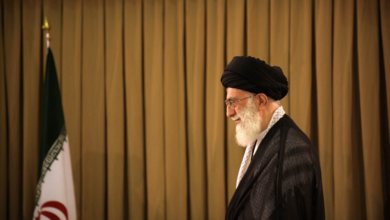
Ali Khamenei assumed the position of Supreme Leader of the Islamic Republic of Iran in 1989, succeeding the founder of the republic, Ruhollah Khomeini. For over three decades, Khamenei has had the final say on all strategic matters of the state, from foreign policy and the nuclear program to military affairs and the direction of the Islamic Revolutionary Guard Corps (IRGC). Khamenei is considered the most powerful figure in the Iranian regime, combining religious and political authority under the principle of "Guardianship of the Islamic Jurist" (Velayat-e Faqih).
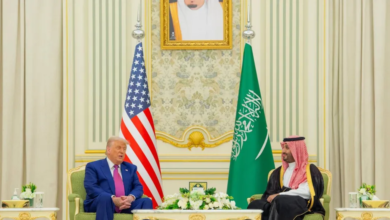
Throughout his presidency, US-Iranian relations were marked by sharp tensions, punctuated by periods of military and political escalation, particularly concerning Iran's nuclear program and Western economic sanctions imposed on Tehran. The Trump administration (2017-2021) was especially tense, as Washington withdrew from the nuclear agreement and adopted a policy of "maximum pressure.".
The mechanism of power transfer and the role of the Council of Experts
Talk of the absence of Iran's Supreme Leader opens the door wide to various scenarios for a transfer of power in Iran. According to the Iranian constitution, the Assembly of Experts (an elected religious body) is responsible for choosing the new Supreme Leader. This process is highly sensitive and complex, as it involves competing political factions within the regime, between conservatives and reformists, in addition to the pivotal role played by the Revolutionary Guard behind the scenes of decision-making.
Expected regional and international repercussions
Any change at the top of the political hierarchy in Iran is not merely a domestic matter, but an event with profound international dimensions. This event is expected to affect several pressing issues:
- Energy markets: Global oil prices are usually affected by any political uncertainty in the Arabian Gulf region, which can lead to volatility in financial markets.
- Regional influence: Iran manages a vast network of alliances and loyal groups in the region, including in Lebanon, Iraq, Syria, and Yemen. The absence of the Supreme Leader could lead to a reshuffling of the cards in these areas.
- International negotiations: The course of any future negotiations between Tehran and Western powers regarding the nuclear issue may be affected by the personality and orientations of the new leadership.
Trump’s announcement comes at a very sensitive time, adding another layer of complexity to the global political landscape, as we await official confirmations and developments on the ground in the coming hours and days.