Trump announces a massive military operation against Iran and the destruction of its missiles

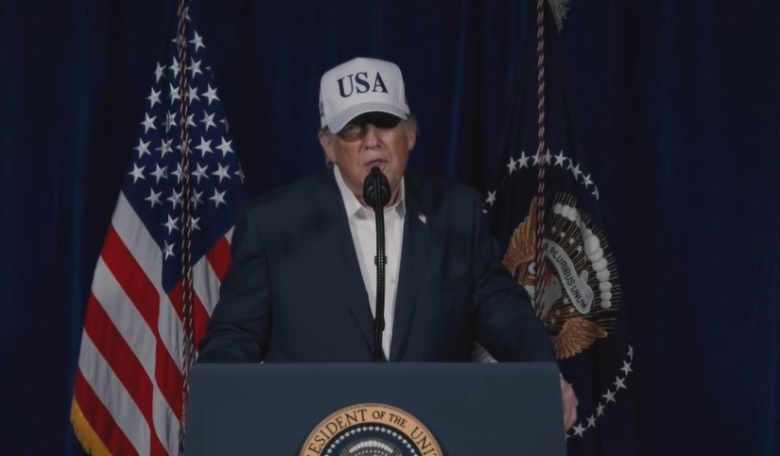
In a surprising development and a dangerous escalation of the geopolitical landscape in the Middle East, US President Donald Trump announced the commencement of a large-scale and ongoing US military operation against strategic targets in Iran. This announcement coincided with field reports of intensive airstrikes, with Trump asserting that Tehran had exhausted all available diplomatic avenues to reach an agreement that would avert this fate.
Details of the US military operation and its objectives
In a speech delivered as the operation commenced, Trump clarified that the military action was not merely a limited strike, but rather a "massive and ongoing operation" aimed at completely crippling the Iranian regime's military capabilities. The US president emphasized that the American military had received clear orders to completely destroy Iran's missile capabilities and prevent it from manufacturing any new missiles in the future, a move intended to deprive Tehran of its most significant regional power.
The stated objectives were not limited to missile power alone, but also included the threat to sink the Iranian navy, with Trump declaring, "We will obliterate Iran's navy." He indicated that the United States had taken all possible steps to minimize risks to American forces in the region, emphasizing that the Iranian regime would learn a harsh lesson not to challenge the United States again, especially after Tehran's activities threatened American forces and bases abroad.
Context of tension and failure of the diplomatic track
This unprecedented military escalation comes after a prolonged period of rising tensions between Washington and Tehran, and the failure of multiple attempts to revive the nuclear agreement or reach new deals that would curb Iran's regional influence and its weapons program. In his speech, Trump indicated that "Tehran has rejected every opportunity to reach an agreement," suggesting that diplomatic channels have reached a dead end and pushing the US administration toward the option of direct military action to end what he described as persistent threats.
Simultaneous Israeli strikes and explosions in Tehran
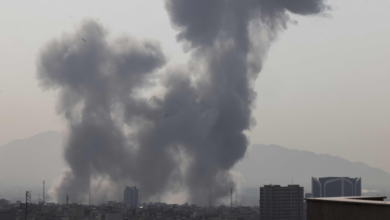
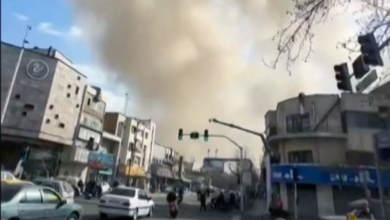
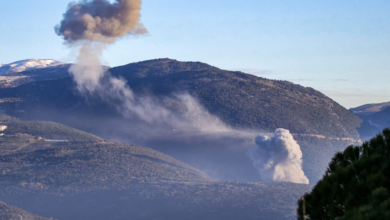
In parallel with the American move, the Israeli Ministry of Defense announced a large-scale "preemptive strike" against Iran. International news agencies and eyewitnesses reported hearing loud explosions in the Iranian capital, Tehran, and several other cities, with plumes of smoke seen rising from key locations in the city center and east.
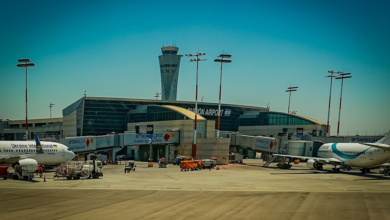
In Israel, Defense Minister Yisrael Katz declared a "special and immediate alert" across the country, while sirens sounded in Jerusalem and residents received warnings on their phones of a "very serious alert," reflecting the extent of military coordination between Washington and Tel Aviv in this joint operation that could redraw the map of balances in the region.
Expected regional and international repercussions
This event is expected to cast a long shadow over the stability of the Middle East and the world at large. Observers believe that targeting Iran's missile and naval capabilities could lead to widespread retaliatory attacks, threatening maritime security in the Strait of Hormuz and raising concerns about global energy supplies and oil prices. This attack also presents the region with open-ended scenarios that could escalate into a full-blown regional conflict, replacing years of proxy wars with direct confrontation.