
إعلان مفاجئ من ترامب بشأن الحرب الأوكرانية
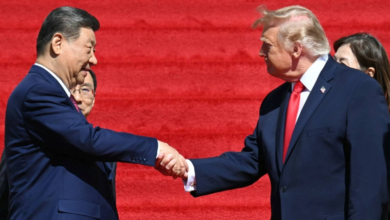
في تطور لافت، أعلن الرئيس الأمريكي السابق دونالد ترامب، يوم الجمعة، عن التوصل إلى اتفاق هدنة بين روسيا وأوكرانيا لمدة ثلاثة أيام، تبدأ من يوم السبت. وأوضح ترامب عبر منشور على وسائل التواصل الاجتماعي أن الاتفاق يتضمن أيضاً عملية تبادل للأسرى، حيث سيتم إطلاق سراح ألف أسير من كل جانب. وأعرب عن أمله في أن تكون هذه الهدنة، التي من المقرر أن تستمر أيام السبت والأحد والاثنين، بمثابة “بداية النهاية لحرب طويلة ودامية وشرسة”، في خطوة قد تمثل نقطة تحول في الصراع المستمر منذ أكثر من عامين.
خلفية الصراع ومحاولات السلام السابقة
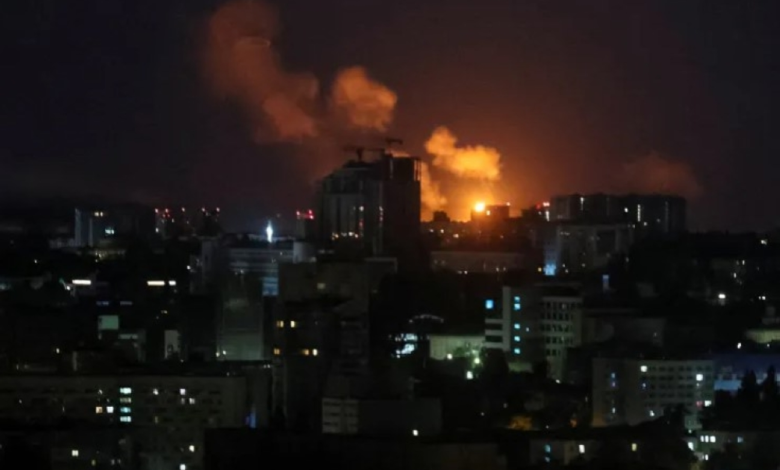
يأتي هذا الإعلان في سياق حرب شاملة بدأت مع الغزو الروسي لأوكرانيا في فبراير 2022، والتي تعد التصعيد الأكبر للنزاع الذي يعود بجذوره إلى عام 2014. شهدت السنوات الماضية دماراً هائلاً وأزمة إنسانية كبرى، مع ملايين النازحين واللاجئين. ولم تكن هذه المرة الأولى التي تُطرح فيها فكرة وقف إطلاق النار؛ فقد سبق لروسيا أن أعلنت عن وقف إطلاق نار من جانب واحد في مناسبات سابقة، مثل احتفالاتها بذكرى النصر في الحرب العالمية الثانية، بينما قدمت أوكرانيا مقترحات متعددة لهدنات إنسانية قوبلت بالتجاهل من موسكو، مما يعكس انعدام الثقة العميق بين الطرفين المتحاربين.
تفاصيل الهدنة المعلنة وتأثيرها المحتمل
بحسب إعلان ترامب، فإن الهدنة المؤقتة ليست مجرد وقف للأعمال العدائية، بل تشمل جانباً إنسانياً مهماً يتمثل في تبادل عدد كبير من الأسرى. إذا تم تنفيذ هذا الاتفاق، فإنه سيمثل أكبر عملية تبادل أسرى منذ بدء الحرب، وسيكون له تأثير إيجابي مباشر على آلاف العائلات من كلا الجانبين. على الصعيد الدولي، يُنظر إلى أي خطوة نحو التهدئة بأهمية بالغة، نظراً لتأثير الحرب على استقرار الأمن الأوروبي وأسواق الطاقة والغذاء العالمية. ومع ذلك، يبقى نجاح هذه الهدنة مرهوناً بمدى التزام الطرفين ببنودها على الأرض.
دلالات التحرك الدبلوماسي الأخير
يتزامن إعلان ترامب مع تصريحات للرئيس الأوكراني فولوديمير زيلينسكي، الذي كشف عن توقعه استقبال مفاوضين أمريكيين في كييف خلال الأسابيع المقبلة، بهدف إجراء محادثات لإنهاء الحرب. وجاءت تصريحات زيلينسكي بعد اجتماع عُقد في فلوريدا بين المبعوث الأوكراني رستم عمروف وممثلين عن حملة ترامب. وقال عمروف بعد الاجتماع: “نحن بصدد تنسيق جدول الزيارات الضرورية، ونتنظر قدوم ممثلين عن الرئيس الأمريكي في أواخر الربيع والصيف”. وتشير هذه التحركات إلى وجود قنوات اتصال غير رسمية قد تلعب دوراً في تمهيد الطريق لمفاوضات مستقبلية، خاصة في ظل ترشح ترامب للانتخابات الرئاسية المقبلة وتصريحاته المتكررة عن قدرته على إنهاء الحرب بسرعة.