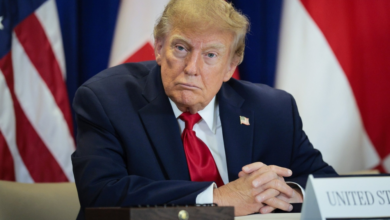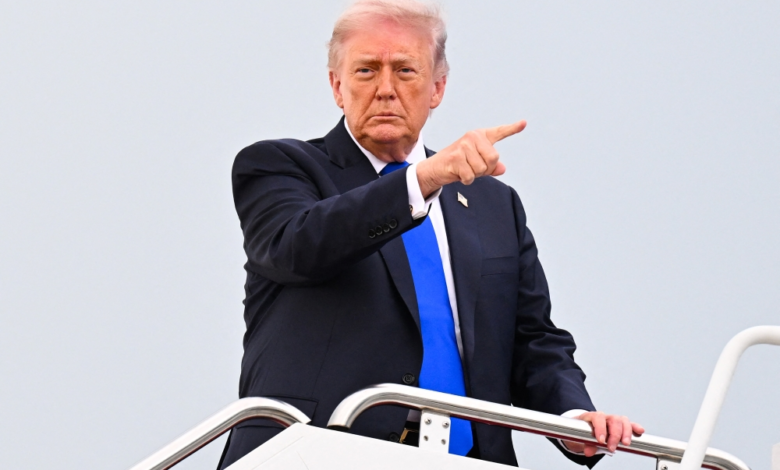

في تحول مفاجئ قد يعيد تشكيل مسار العلاقات الأمريكية الكوبية، أعلن الرئيس الأمريكي السابق دونالد ترامب عن إجراء محادثات مع حكومة كوبا. يأتي هذا الإعلان بعد سنوات من فرض إدارته سياسة “الضغط الأقصى” التي شددت الحصار الاقتصادي على الجزيرة الكاريبية، مما يثير تساؤلات حول الدوافع الحقيقية لهذه الخطوة وتأثيرها المحتمل على المنطقة.
وصف ترامب، في منشور على منصته “تروث سوشال”، كوبا بأنها “دولة فاشلة”، مضيفاً أن “كوبا تطلب المساعدة، وسنتحدث”. ورغم عدم تقديمه أي تفاصيل إضافية حول طبيعة هذه المحادثات أو جدولها الزمني، فإن مجرد الإعلان يمثل خروجاً عن الخطاب المتشدد الذي تبناه طوال فترة رئاسته وبعدها، والذي شمل تصريحات سابقة تعهد فيها بـ”السيطرة” على الجزيرة.
سياق تاريخي من التوتر والانفراج
تمثل العلاقات بين الولايات المتحدة وكوبا فصلاً معقداً وطويلاً من تاريخ الحرب الباردة وما بعدها. فمنذ الثورة الكوبية عام 1959، فرضت واشنطن حصاراً اقتصادياً وتجارياً شاملاً على هافانا في عام 1962، بهدف عزل النظام الشيوعي. استمر هذا الحصار لعقود، ليصبح أطول حظر تجاري في التاريخ الحديث.
شهدت هذه العلاقة المتجمدة انفراجة تاريخية في عهد الرئيس باراك أوباما، الذي بدأ عملية تطبيع للعلاقات في عام 2014، مما أدى إلى إعادة فتح السفارات وتخفيف بعض القيود على السفر والتجارة. لكن هذا التقارب لم يدم طويلاً، فمع وصول دونالد ترامب إلى البيت الأبيض في عام 2017، تم التراجع عن سياسات أوباما، وأعيد فرض وتشديد العقوبات، مبرراً ذلك بسجل كوبا في حقوق الإنسان ودعمها القوي لنظام نيكولاس مادورو في فنزويلا.
أهمية الإعلان وتأثيره المحتمل
يأتي إعلان ترامب في وقت تعاني فيه كوبا من أسوأ أزمة اقتصادية منذ عقود، تتجلى في نقص حاد في الغذاء والدواء والوقود، مما أدى إلى احتجاجات شعبية غير مسبوقة. وعلى هذا الأساس، يمكن تحليل أهمية هذه المحادثات المحتملة من عدة زوايا:
- على الصعيد المحلي الكوبي: أي تخفيف للعقوبات الأمريكية قد يمثل شريان حياة للاقتصاد الكوبي المنهار، ويساهم في تحسين الظروف المعيشية للمواطنين. ومع ذلك، قد يرى البعض في النظام الكوبي أن هذه المحادثات هي محاولة لاستغلال ضعفهم لفرض شروط سياسية.
- على الصعيد الإقليمي: يمكن أن يؤثر أي تغيير في السياسة الأمريكية تجاه كوبا على الديناميكيات الجيوسياسية في أمريكا اللاتينية، خاصة فيما يتعلق بالعلاقات مع حلفاء كوبا مثل فنزويلا ونيكاراجوا.
- على الصعيد الدولي: قد يُنظر إلى هذه الخطوة على أنها محاولة أمريكية لمواجهة النفوذ المتزايد لخصومها، مثل الصين وروسيا، في المنطقة واللذين عززا علاقاتهما مع هافانا في السنوات الأخيرة.
وبينما يلف الغموض تفاصيل هذه المحادثات، يترقب المراقبون ما إذا كانت تصريحات ترامب تمثل بداية تحول استراتيجي حقيقي في السياسة الخارجية الأمريكية، أم أنها مجرد مناورة سياسية تهدف إلى تحقيق مكاسب داخلية، خاصة مع اقتراب موسم الانتخابات.