
تصريحات مثيرة للجدل حول دعم الاحتجاجات الإيرانية
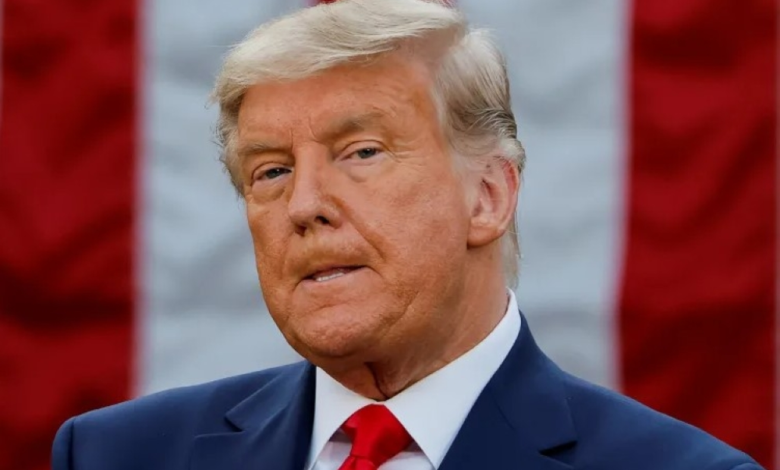
كشف الرئيس الأمريكي السابق دونالد ترامب عن تفاصيل مثيرة للجدل تتعلق بالسياسة الأمريكية تجاه طهران، حيث صرح بأنه أمر بإرسال كميات كبيرة من الأسلحة لدعم المتظاهرين في إيران بهدف مواجهة السلطات الإيرانية. وتأتي هذه التصريحات لتسلط الضوء على كواليس التعامل الأمريكي مع الاحتجاجات الشعبية التي شهدتها المدن الإيرانية، وتطرح تساؤلات عديدة حول طبيعة الدعم الخارجي في شؤون المنطقة.
تفاصيل الخطة وفشلها
وفي التفاصيل، أوضح ترامب على هامش احتفال بعيد الفصح في البيت الأبيض، وفي مقابلة هاتفية لاحقة مع شبكة ‘فوكس نيوز’ الإخبارية، أن الإدارة الأمريكية حاولت بالفعل تسليح المحتجين الإيرانيين. وقال ترامب بوضوح: ‘لقد أرسلنا أسلحة، الكثير من الأسلحة التي كان يفترض أن تصل إلى الإيرانيين لكي يتمكنوا من مقاتلة السلطات’. إلا أن المفاجأة كانت في كشفه عن فشل هذه الخطة، موجهاً اتهامات مباشرة لجماعات كردية في المنطقة باعتراض هذه الشحنات والاحتفاظ بها لأنفسهم. وأعرب ترامب عن غضبه الشديد حيال هذا التصرف، متوعداً تلك الجماعات بأنها ‘ستدفع ثمناً باهظاً’.
السياق العام والخلفية التاريخية للحدث
لفهم السياق العام لهذه التصريحات، يجب العودة إلى أواخر شهر ديسمبر، حيث اندلعت موجة واسعة من الاحتجاجات في عدة مدن إيرانية. بدأت هذه المظاهرات في البداية كحراك شعبي رافض لارتفاع تكاليف المعيشة، وتفشي البطالة، وتدهور الأوضاع الاقتصادية، لكنها سرعان ما اتسع نطاقها وتطورت إلى هتافات مناهضة للحكومة والنظام السياسي بأسره. وفي يناير من ذلك العام، كان ترامب قد غرد علناً داعماً للمتظاهرين، واعداً إياهم بأن ‘المساعدة في الطريق إليهم’. وتتزامن هذه الأحداث مع استراتيجية ‘الضغوط القصوى’ التي تبنتها إدارة ترامب ضد طهران، والتي شملت لاحقاً الانسحاب من الاتفاق النووي عام 2018 وفرض عقوبات اقتصادية خانقة استهدفت شل الاقتصاد الإيراني.
أهمية الحدث وتأثيره المتوقع
تحمل هذه التصريحات أهمية كبرى وتأثيرات متوقعة على عدة أصعدة. محلياً داخل إيران، تستغل السلطات الإيرانية مثل هذه التصريحات لتعزيز روايتها الرسمية بأن الاحتجاجات ليست سوى ‘مؤامرة خارجية’ مدعومة من الولايات المتحدة، مما قد يمنحها ذريعة إضافية لتشديد القبضة الأمنية وقمع أي حراك مستقبلي بحجة التخابر مع جهات أجنبية ومحاولة زعزعة استقرار البلاد.
إقليمياً، يضيف اتهام ترامب للأكراد باحتجاز الأسلحة طبقة جديدة من التعقيد على المشهد الجيوسياسي في الشرق الأوسط. فالجماعات الكردية المنتشرة على الحدود بين إيران والعراق وسوريا تلعب أدواراً متباينة، ومثل هذه الاتهامات قد تؤجج التوترات بين هذه الجماعات والولايات المتحدة من جهة، وبينها وبين دول الجوار التي تتوجس من تسليح الفصائل الكردية من جهة أخرى.
دولياً، يثير اعتراف رئيس أمريكي بمحاولة تسليح معارضة مدنية داخل دولة ذات سيادة جدلاً واسعاً في الأوساط الدبلوماسية، حيث يعتبر خرقاً للأعراف الدولية، مما قد يعقد أي جهود مستقبلية للتفاوض أو التهدئة بين واشنطن وطهران، ويجعل مسار الدبلوماسية أكثر وعورة في ظل انعدام الثقة المتبادل وتصاعد حدة التصريحات.