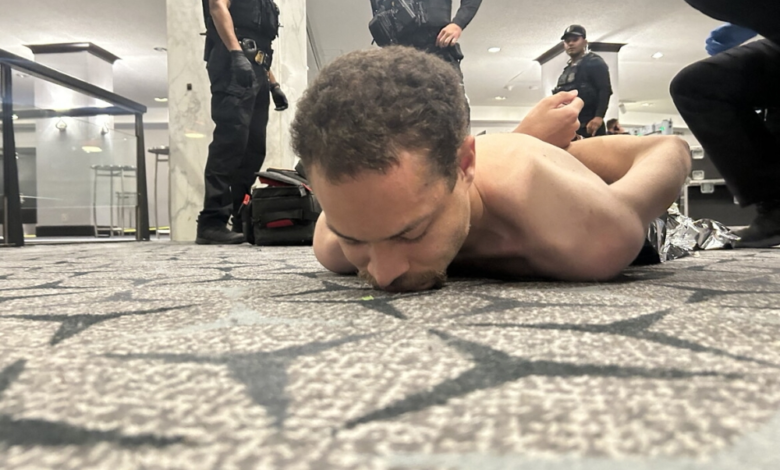

في تطور جديد هز الأوساط السياسية الأمريكية، دفع كول آلن، الرجل المتهم بمحاولة اغتيال الرئيس الأمريكي السابق دونالد ترامب، ببراءته من كافة التهم الموجهة إليه خلال مثوله الأول أمام محكمة فدرالية في العاصمة واشنطن. وظهر آلن، البالغ من العمر 31 عامًا، في قاعة المحكمة مرتديًا زي السجن البرتقالي ومقيد اليدين، ليواجه مصيرًا قد ينتهي به خلف القضبان مدى الحياة في حال إدانته.
ويواجه آلن، الذي يعمل مدرسًا ومهندسًا، أربع تهم فدرالية خطيرة تتعلق بالهجوم الذي وقع في 25 أبريل الماضي خلال حفل العشاء السنوي لجمعية مراسلي البيت الأبيض. وتشمل لائحة الاتهام: محاولة اغتيال رئيس الولايات المتحدة، ونقل سلاح ناري وذخيرة عبر حدود الولايات بقصد ارتكاب جناية، واستخدام سلاح ناري أثناء ارتكاب جريمة عنف، والاعتداء على موظف فدرالي. وبحسب الادعاء، سافر آلن من منزله في كاليفورنيا إلى واشنطن عبر القطار، حاملًا معه ترسانة أسلحة تضمنت بندقية صيد ومسدسًا وسكاكين بهدف تنفيذ مخططه.
خلفية تاريخية للاغتيالات السياسية في أمريكا
تأتي هذه الحادثة لتسلط الضوء مجددًا على التاريخ الطويل والمضطرب للعنف السياسي في الولايات المتحدة. فمنذ اغتيال أبراهام لنكولن عام 1865، شهدت البلاد سلسلة من الاغتيالات ومحاولات الاغتيال التي استهدفت رؤساء وشخصيات سياسية بارزة. وقد نجحت محاولات اغتيال كل من جيمس جارفيلد (1881)، وويليام ماكينلي (1901)، وجون كينيدي (1963)، بينما نجا آخرون من محاولات مماثلة، أبرزهم رونالد ريغان عام 1981. تعكس هذه الأحداث حالة الاستقطاب السياسي الحاد التي يمكن أن تدفع الأفراد إلى التطرف والعنف، وتؤكد على الأهمية القصوى للدور الذي يلعبه جهاز الخدمة السرية في حماية القادة السياسيين، وهو تحدٍ يزداد تعقيدًا في العصر الرقمي وانتشار الأيديولوجيات المتطرفة عبر الإنترنت.
الأهمية والتأثير المتوقع للحادثة
تكتسب محاولة الاغتيال هذه أهمية خاصة نظرًا لتوقيتها الذي يأتي في خضم موسم انتخابي محتدم. على الصعيد المحلي، تثير الحادثة تساؤلات جدية حول فعالية الإجراءات الأمنية المتبعة لحماية المرشحين الرئاسيين والشخصيات العامة في الفعاليات الكبرى. ومن المتوقع أن تؤدي إلى مراجعة شاملة للبروتوكولات الأمنية، ليس فقط من قبل الخدمة السرية، بل من قبل جميع وكالات إنفاذ القانون. كما أنها تغذي النقاش الوطني المستمر حول قضايا مثل السيطرة على الأسلحة والصحة العقلية وتأثير الخطاب السياسي التحريضي. أما على الصعيد الدولي، فإن مثل هذه الأحداث تُراقب عن كثب، حيث يمكن أن يُنظر إليها كمؤشر على عدم الاستقرار الداخلي في قوة عظمى، مما قد يؤثر على تصورات الحلفاء والخصوم على حد سواء تجاه المشهد السياسي الأمريكي. ويبقى المسار القضائي للقضية محط أنظار الجميع، حيث ستكشف المحاكمة عن دوافع المتهم وتفاصيل مخططه، مما سيضيف فصلاً جديدًا إلى سجل العنف السياسي في الولايات المتحدة.