
قرار مفاجئ يهز احتفالات أمريكا التاريخية
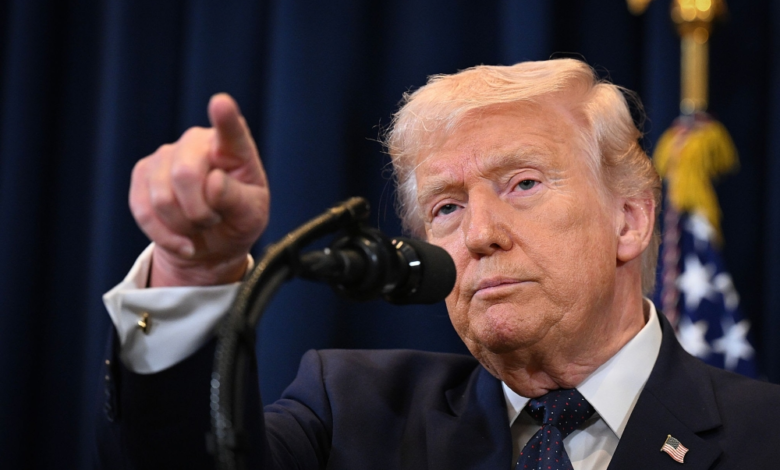
في خطوة أثارت جدلاً واسعاً، أعلن الرئيس الأمريكي دونالد ترامب عن إلغاء سلسلة الحفلات الموسيقية بذكرى الاستقلال التي كانت مقررة للاحتفال باليوبيل نصف الخمسي للولايات المتحدة، أي الذكرى الـ 250 لتأسيسها. جاء هذا القرار المفاجئ بعد انسحاب ستة فنانين من أصل تسعة كان من المقرر أن يشاركوا في الحدث، مما يسلط الضوء على الانقسام العميق الذي يلقي بظلاله على المشهد السياسي والثقافي في البلاد، ويحول مناسبة وطنية جامعة إلى قضية خلافية.
لم يكن انسحاب الفنانين مجرد مشكلة لوجستية، بل كان بمثابة بيان سياسي يعكس التحديات التي تواجهها الإدارة في تنظيم فعاليات وطنية جامعة في ظل مناخ سياسي مشحون. ففي الولايات المتحدة، غالبًا ما تتشابك الأحداث الفنية الكبرى مع التوجهات السياسية، ويجد العديد من الفنانين أنفسهم في موقف حرج عند دعوتهم للمشاركة في فعاليات مرتبطة بشخصيات سياسية مثيرة للجدل مثل ترامب. يخشى هؤلاء الفنانون من ردود فعل جماهيرهم أو من أن يُنظر إلى مشاركتهم على أنها تأييد لسياسات الرئيس، مما قد يضر بمسيرتهم الفنية وعلامتهم التجارية. هذا الانسحاب الجماعي يبرز كيف أصبحت الفنون ساحة أخرى للاستقطاب السياسي، حيث يصعب فصل التعبير الفني عن الموقف الأيديولوجي.
ترامب يلغي الحفلات الموسيقية بذكرى الاستقلال ويستبدلها بتجمع حاشد
وكعادته، لجأ الرئيس ترامب إلى منصته المفضلة “تروث سوشال” للتعليق على الموقف، محولاً إلغاء الفعالية الفنية إلى فرصة لحشد قاعدته الجماهيرية. فبدلاً من الحفلات الموسيقية بذكرى الاستقلال، وعد ترامب بتنظيم “أعظم تجمع على الإطلاق” في واشنطن. وفي منشوره، قلل من شأن الفنانين المنسحبين قائلاً: “لا نريد مغنين لا يملكون موهبة… طلبنا منهم جميعاً أن يبقوا في منازلهم”. وأشار إلى أن الاحتفال سيقتصر على “المتحدثين وأعظم موسيقى على الإطلاق”، في إشارة إلى الأغاني الوطنية التي تتردد في تجمعاته السياسية، مثل أغنية “ليبارك الله الولايات المتحدة الأمريكية” للمغني لي غرينوود، والتي أصبحت نشيداً غير رسمي لحملاته.
رمزية احتفالات الاستقلال في تاريخ أمريكا
تكتسب هذه الأحداث أهمية خاصة بالنظر إلى السياق التاريخي. يُعد الرابع من يوليو، أو يوم الاستقلال، العيد الوطني الأهم في الولايات المتحدة، وهو مناسبة تهدف تاريخياً إلى تجاوز الخلافات السياسية والاحتفاء بالقيم المشتركة التي تأسست عليها الأمة. وتأتي الذكرى الـ 250، أو ما يُعرف بالـ “Semiquincentennial”، كحدث تاريخي فريد لا يتكرر إلا كل نصف قرن، مما يجعله فرصة للتأمل في مسيرة البلاد وإنجازاتها وتحدياتها. عادةً ما تكون هذه الاحتفالات الكبرى، التي تشرف عليها الإدارات الرئاسية، مصممة لتعزيز الوحدة الوطنية. إلا أن تحويل الاحتفال من مهرجان ثقافي متنوع إلى تجمع سياسي يعكس التوجهات الحالية نحو تعميق الانقسامات بدلاً من رأب الصدع، وهو ما يثير قلق المراقبين بشأن مستقبل الاحتفالات الوطنية الجامعة في أمريكا.