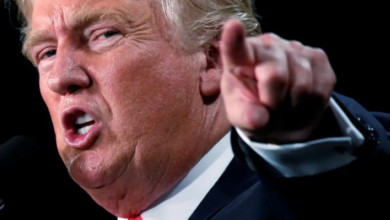

In a significant development that could alter the rules of engagement in Latin America, US President Donald Trump on Monday that the United States had conducted a targeted operation against and destroyed a naval base in Venezuela . According to official statements, this site was being used as a major launching point for drug trafficking by boat, raising serious questions about whether this operation represents the first actual ground strike in the escalating US military campaign in the region.
Details of the operation and the role of the Central Intelligence Agency
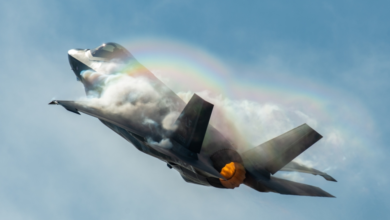
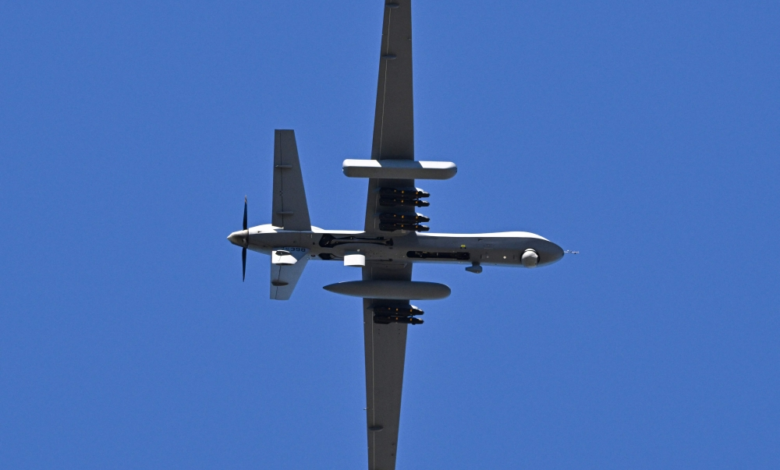
Speaking to reporters from his Mar-a-Lago resort, Trump described the operation as a “big explosion” at the marina. He explained, “We targeted all the boats, then we targeted the site itself, and it’s gone.” While the president declined to specify the exact identity of the perpetrators, CNN and The New York Times, citing informed sources, reported that the strike was carried out by a CIA drone and targeted an isolated dock used by the notorious Tren de Aragua drug cartel to store and load narcotics. They confirmed that there were no casualties as no one was present at the site at the time of the attack.
Context of the conflict: Washington vs. Caracas
This event cannot be separated from the tense historical and political context between Washington and Caracas. For years, specifically from the era of the late President Hugo Chávez to the current President Nicolás Maduro , the United States has accused the Venezuelan regime of colluding with drug cartels and using their proceeds to finance illicit activities and circumvent crippling economic sanctions. The US Department of Justice had previously filed formal charges against Maduro and senior officials for “narco-terrorism,” making this strike part of the Trump administration’s “maximum pressure” strategy to force Maduro to step down.
Who are the “Trin de Aragua” gang?
The targeting of the Tren de Aragua cartel specifically indicates that the United States is expanding its target list to include transnational criminal organizations based in Venezuela. This cartel is one of the most dangerous criminal organizations in South America, having extended its influence to several countries in the region and engaging in kidnapping, extortion, human trafficking, and drug smuggling, making the disruption of its infrastructure a strategic objective for U.S. national security.
Expected regional and international repercussions
This development carries significant geopolitical implications. Domestically, this targeting could increase internal pressure on the Maduro regime, or conversely, the regime might use it to rally popular support against what it describes as “imperialist aggression.” Regionally, Washington is sending a clear message that it will not hesitate to use direct military force within Venezuelan territory to combat drug trafficking, which could raise concerns among neighboring countries regarding national sovereignty. Internationally, this move could be seen as a dangerous escalation that could draw the region into wider security tensions, especially given the heavy US military presence in the Caribbean and the Eastern Pacific, which has resulted in the deaths of more than 100 people in similar maritime operations since September.