Trump makes approval of Iran's new Supreme Leader a condition, and Tehran responds

Trump sets strict conditions for choosing Iran's new Supreme Leader
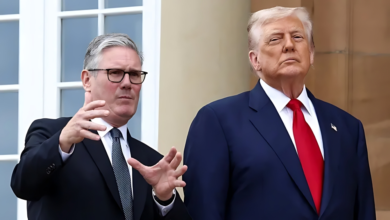
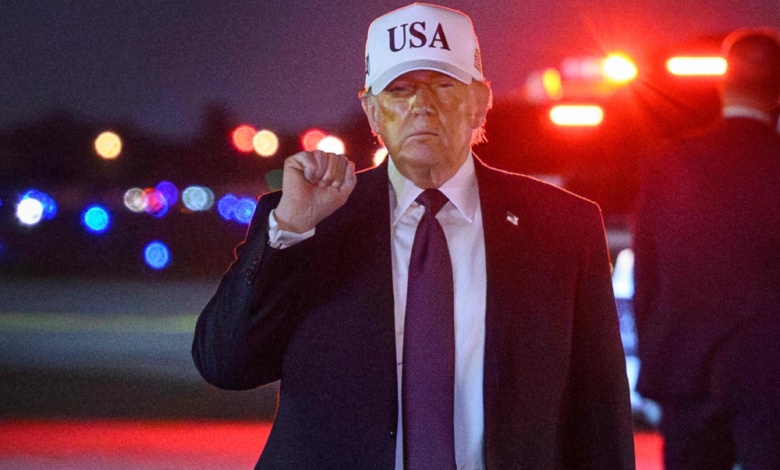
In an unprecedented escalation of US-Iranian tensions, US President Donald Trump that any new Supreme Leader chosen by Iran must have prior approval from the US administration. In a strongly worded statement to ABC News, Trump asserted that without this approval, the new leader "wouldn't last long" in office. These fiery remarks came just hours after Tehran announced the selection of a successor to Supreme Leader Ayatollah Ali Khamenei, whose death was announced on the first day of a US-Israeli attack targeting the heart of the Islamic Republic.
The Assembly of Experts approves Mojtaba Khamenei as Supreme Leader
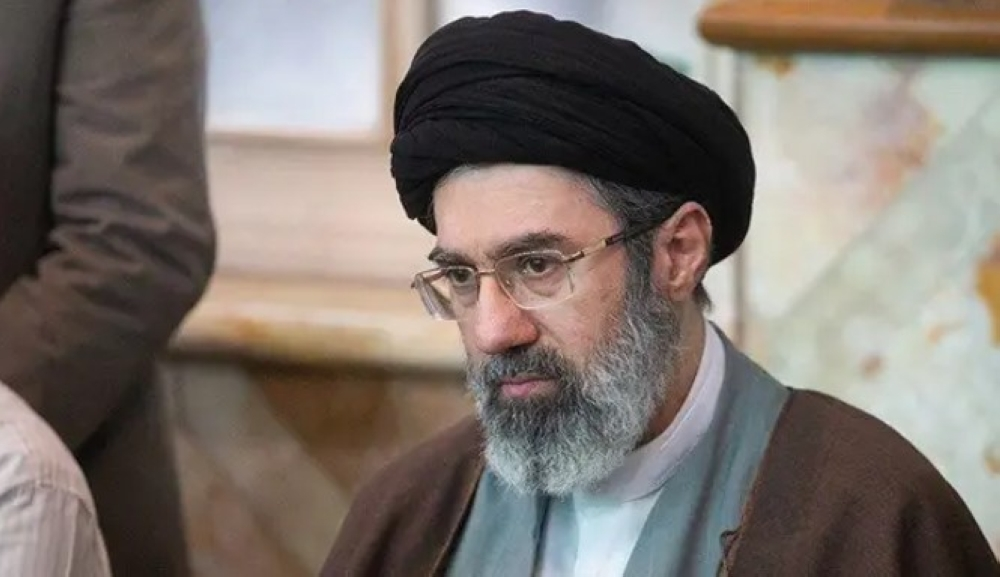
Amid these rapid developments, the Iranian news agency Tasnim announced that the Assembly of Experts had approved the appointment of Mojtaba Khamenei as the new Supreme Leader of the country. This decisive decision was announced to large crowds gathered in Vanak Square in Tehran. The Assembly of Experts is a constitutional body composed of 88 clerics elected by popular vote. Its primary task is to select the Supreme Leader, oversee his performance, and even dismiss him if necessary. The Assembly convened an emergency session to ensure stability at the top of the country's power structure during this critical period.
The Iranian response: National sovereignty and rejection of interference
Tehran was quick to respond to the US president's remarks. Iranian Foreign Minister Abbas Araqchi, in an interview with NBC, reiterated his country's categorical rejection of any external dictates. Araqchi emphasized that Tehran "will not allow anyone to interfere in its internal affairs," clarifying that the selection of the new leader is the exclusive right of the Iranian people and their constitutional institutions. Historically, Iran has vehemently rejected any American attempts to influence its domestic policies, considering it a direct infringement on its national sovereignty, upon which the 1979 revolution was founded.
The historical context of the position of Supreme Leader
To understand the magnitude of this event, one must consider the paramount importance of the Supreme Leader's in Iran's system of "Guardianship of the Islamic Jurist" (Velayat-e Faqih). The Supreme Leader is the head of the power structure, the commander-in-chief of the armed forces, and the ultimate decision-maker in all major national policies, both domestic and foreign. Since the establishment of the Islamic Republic in 1979, Iran has had only two Supreme Leaders: the founder of the revolution, Imam Ruhollah Khomeini, and Ali Khamenei, who assumed the position in 1989. This transfer of power represents a pivotal moment that will shape the country's trajectory for decades to come.
Expected impact on the regional and international landscape
This leadership change in Iran, amid direct American threats, carries enormous repercussions at both the regional and international levels. Regionally, Iran leads what is known as the "axis of resistance" and wields considerable influence through its allies in Lebanon, Syria, Iraq, and Yemen. Any upheaval or change in the Iranian leadership could immediately impact the dynamics of conflict in the Middle East, especially given the ongoing confrontations with Israel. Internationally, Trump's pronouncements have placed the region on a knife's edge, potentially affecting global energy markets and international shipping, and further complicating the diplomatic landscape surrounding the Iranian nuclear issue.