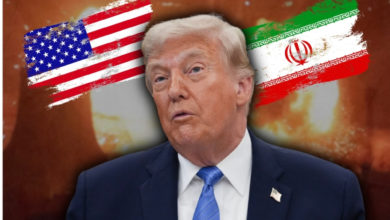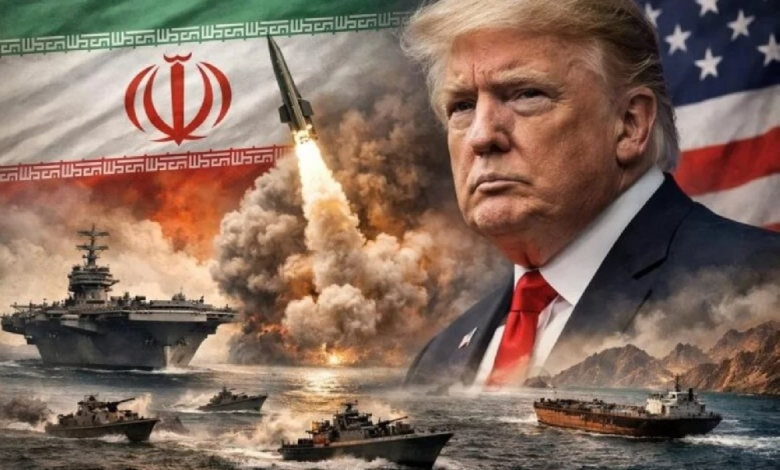

نفى الرئيس الأمريكي دونالد ترامب، الثلاثاء، بشكل قاطع التقارير الإعلامية التي زعمت تعليق المحادثات مع إيران، مؤكداً أن الحوار بين واشنطن وطهران لا يزال مستمراً. وفي تصريحات حاسمة عبر منصته “تروث سوشال”، شدد ترامب على أن الوقت قد حان لإبرام اتفاق ينهي عقوداً من التوتر، وذلك في ظل تصاعد الأحداث في الشرق الأوسط، بما في ذلك الهجمات الإسرائيلية الأخيرة على لبنان.
خلفيات التوتر ومسار المفاوضات الطويل
تعود جذور التوتر بين الولايات المتحدة وإيران إلى عقود مضت، وتحديداً منذ الثورة الإسلامية عام 1979. وشهدت هذه العلاقة محطات من التصعيد والدبلوماسية المتقطعة. كانت أبرز محطات الانفراج هي خطة العمل الشاملة المشتركة (JCPOA)، المعروفة إعلامياً بالاتفاق النووي الإيراني، التي تم توقيعها في عام 2015 بين إيران ومجموعة دول (5+1). هدف الاتفاق إلى تقييد برنامج إيران النووي مقابل رفع العقوبات الاقتصادية عنها. إلا أن الرئيس ترامب أعلن انسحاب الولايات المتحدة من الاتفاق في عام 2018، واصفاً إياه بأنه “كارثي”، وأعاد فرض عقوبات اقتصادية قاسية ضمن سياسة “الضغط الأقصى” بهدف إجبار طهران على العودة إلى طاولة المفاوضات للتوصل إلى اتفاق جديد أكثر شمولاً.
ترامب يؤكد استمرارية المحادثات مع إيران
في منشوره الأخير، وصف ترامب التقارير التي تحدثت عن توقف الحوار بأنها “أخبار كاذبة ومضللة”. وكتب قائلاً: “التقارير الإعلامية الكاذبة التي تحدثت عن تعليق المحادثات بين الجمهورية الإسلامية الإيرانية والولايات المتحدة الأمريكية قبل أيام، غير صحيحة ومضللة”. وأضاف لتأكيد استمرارية التواصل: “المحادثات مستمرة من دون انقطاع، قبل أربعة أيام وثلاثة أيام ويومين ويوم واحد وحتى اليوم”. وأوضح ترامب رؤيته للمستقبل بقوله: “إلى أين ستقود هذه المحادثات؟ لا أحد يعلم، لكنني قلت لإيران: لقد حان الوقت لإبرام اتفاق (…) لن يستمر الوضع القائم منذ 47 عاماً على حاله!”.
أبعاد الاتفاق المحتمل وتأثيره على المنطقة
يحمل أي اتفاق محتمل بين واشنطن وطهران أهمية استراتيجية تتجاوز حدودهما. فعلى الصعيد الإقليمي، يمكن أن يساهم التوصل إلى تفاهم في تخفيف حدة التوترات في مناطق النزاع بالشرق الأوسط، مثل سوريا واليمن والعراق، حيث تمتلك إيران نفوذاً كبيراً عبر وكلائها. كما يراقب حلفاء الولايات المتحدة في المنطقة، وعلى رأسهم إسرائيل والمملكة العربية السعودية، هذه التطورات عن كثب، مع مخاوفهم الخاصة بشأن البرنامج النووي الإيراني ودورها الإقليمي. أما على الصعيد الدولي، فإن التوصل إلى اتفاق من شأنه أن يعيد الاستقرار إلى أسواق الطاقة العالمية عبر السماح بعودة النفط الإيراني، فضلاً عن إزالة أحد أكبر التهديدات التي تواجه نظام منع الانتشار النووي العالمي. ويبقى نجاح هذه المحادثات مرهوناً بقدرة الطرفين على تجاوز عقود من انعدام الثقة والتوصل إلى صيغة ترضي مصالحهما الأمنية والاستراتيجية.