Trump announces the destruction of Iran's military capabilities and the securing of the Strait of Hormuz

Trump's statements about destroying Iran's military capabilities
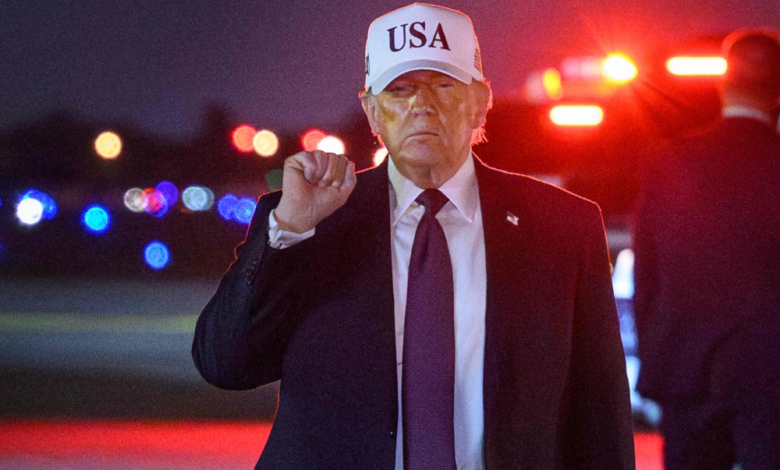
In fiery remarks reflecting the ongoing geopolitical tensions in the Middle East, US President Donald Trump declared that the United States had destroyed 100% of Iran's military capabilities. These statements come at a sensitive time, as the region remains anxiously awaiting the future of maritime security. Trump asserted that Washington and its allies will work to reopen and secure the Strait of Hormuz as soon as possible, ensuring it remains a safe and free passage for global trade.
International coalition to secure the Strait of Hormuz
In a post on his social media platform, Trump revealed his aspirations to form a broad international maritime coalition. He expressed hope that major countries heavily reliant on energy supplies from the Middle East, such as China, France, Japan, South Korea, and the United Kingdom, would send warships to the Strait of Hormuz. The aim of this move, he stated, is to protect maritime navigation and deter any potential threats from Iran. He added that numerous countries would participate in this military effort to keep this strategic waterway open and secure for oil tankers and commercial vessels.
The strategic and historical importance of the Strait of Hormuz
The Strait of Hormuz is one of the world's most important maritime chokepoints, connecting the Persian Gulf, the Gulf of Oman, and the Arabian Sea. Historically, approximately one-fifth of the world's oil consumption has passed through this strait, making it a vital artery for the global economy. Any threat to or closure of this waterway would immediately lead to sharp fluctuations in global energy prices. Iran has long used the threat of closing the strait as a political and military bargaining chip in the face of international sanctions and tensions with the United States, prompting Western powers to repeatedly bolster their military presence in the Gulf waters to ensure the uninterrupted flow of energy supplies.
Military strategy and asymmetric warfare
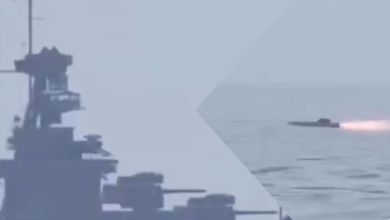
On the military front, Trump vowed that US forces would heavily bombard the Iranian coast and continuously fire upon Iranian boats and ships to keep them out of international waters. While emphasizing the destruction of Tehran's conventional military capabilities, Trump acknowledged the reality of unconventional threats. He noted that Iranian forces still had the ease to use drones, sea mines, and short-range missiles.
This admission highlights what is known as “asymmetric warfare” employed by Iran. Instead of direct confrontation with massive warships, Tehran relies on swarms of armed speedboats, the laying of mines in narrow waterways, and the use of suicide drones—tactics designed to inflict maximum disruption and damage on commercial and military vessels at a low cost, making securing the Strait a complex challenge requiring high-level international coordination.
Expected regional and international repercussions
These developments and statements have profound implications on the international stage. Regionally, these moves exacerbate military polarization in the Arabian Gulf, placing countries in the region on high alert to protect their infrastructure and territorial waters. Internationally, the formation of a multinational naval force comprising Asian and European powers reflects global concern about the disruption of supply chains. The stability of the Strait of Hormuz is not merely an American or Middle Eastern concern; it is a cornerstone of the stability of the global economy as a whole.