Trump denies involvement in the Iran Pars gas field attack and warns Tehran

Amid escalating geopolitical tensions in the Middle East and growing fears of a full-blown energy war, US President Donald Trump reiterated his opposition to targeting critical energy infrastructure. In recent remarks, Trump distanced himself from the Israeli attack on Iran's South Pars gas field, emphasizing that such an incident would not be repeated, while simultaneously issuing strong warnings to Tehran.
The strategic importance of the Pars field and the repercussions of targeting it
The South Pars field, shared by Iran and Qatar (where it is known as the North Field), is the world's largest natural gas field. This strategic field supplies approximately 70% of Iran's domestic natural gas needs, making it the lifeblood of the Iranian economy and its energy sector. Targeting a facility of this size has repercussions not only for Iran but also for regional and global energy security. This attack has exacerbated the instability in global oil and gas markets, which are already experiencing sharp fluctuations due to Iranian threats to close the vital Strait of Hormuz, through which one-fifth of the world's oil consumption passes.
Washington's position: lack of prior coordination and restraint
In clarifying the American position, Trump emphasized that Washington had no prior knowledge of the Israeli strike targeting Iran's Pars gas field. He indicated that he had contacted Israeli Prime Minister Benjamin Netanyahu directly, urging him to immediately cease attacks on Iranian energy facilities to avoid an undesirable escalation. Trump explained the nature of the relationship with Israel, stating, "We get along very well, and there is coordination between us, but sometimes Israel does things that the United States opposes." For his part, Netanyahu stated that Israeli forces acted independently in carrying out the strike, but affirmed his compliance with the US president's request to suspend any further attacks on energy infrastructure.
War of words: Mutual threats between Washington and Tehran
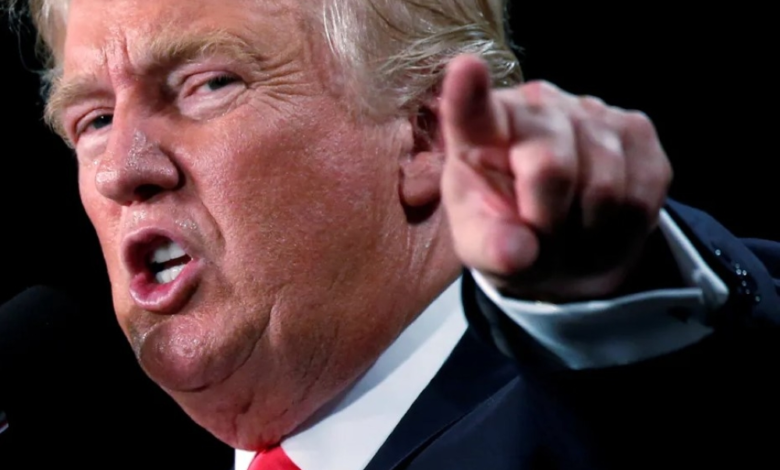
Trump's statements were not limited to appeasing Israel; they also included a direct warning to Iran. He threatened to destroy the entire South Pars gas field "with overwhelming force" if Tehran did not cease threatening or attacking Qatari liquefied natural gas (LNG) facilities, a cornerstone of global energy supplies. He clarified that he currently had no plans to deploy troops to Iran. In response, Iran's stance was swift and decisive. Tehran warned that it would not exercise any restraint if its energy facilities were attacked again. The Fars News Agency quoted the Khatam al-Anbiya Headquarters, the operational command of the Iranian army, as asserting that attacks on energy infrastructure would continue until it was completely destroyed should Israeli strikes be repeated. Iranian Foreign Minister Abbas Araqchi also warned that Tehran would not hesitate to retaliate if its facilities were attacked again, especially given the ongoing conflict with the United States and Israel.
Expected impact on the international scene
These developments present the international community with unprecedented economic and security challenges. The escalation in the Arabian Gulf region threatens global supply chains and is driving oil and gas prices to record highs, potentially exacerbating inflation in major economies. Currently, diplomatic efforts remain crucial to preventing these skirmishes from escalating into a full-blown regional war that would devastate the Middle East's energy infrastructure.