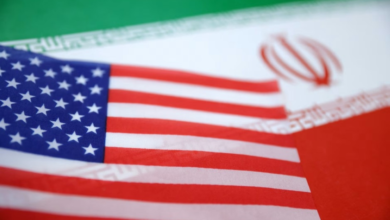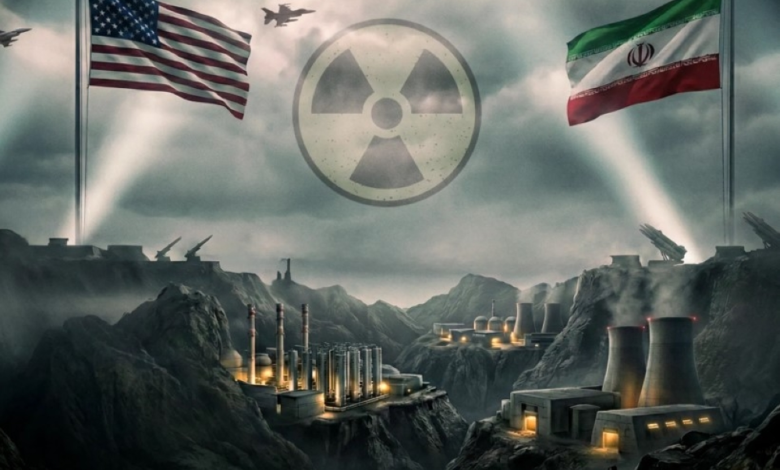
US President Donald Trump his deep dissatisfaction with the ongoing negotiations with Iran , asserting that Tehran is not demonstrating sufficient flexibility to reach an agreement acceptable to the United States and the international community. These statements come at a time of escalating tensions between Washington and Tehran, amid global anticipation regarding the outcome of the Iranian nuclear issue.
Details of the American position
In recent press statements, Trump explained that the Iranian side "doesn't want to go far enough" in the negotiations, describing this as "very unfortunate." The US president emphasized that the American administration will not accept any agreement that does not definitively guarantee Iran will not acquire a nuclear weapon, indicating that the way the Iranians are currently negotiating is unsatisfactory.
Trump told reporters in a firm tone: "Tehran is not prepared to give us what we should be getting. We are not entirely happy with the way they have negotiated. They cannot have a nuclear weapon, and that is a red line that cannot be crossed.".
Background of the conflict and the nuclear agreement
To understand the context of this discontent, it's necessary to go back a little. In 2018, the United States unilaterally withdrew from the 2015 nuclear agreement (the Joint Comprehensive Plan of Action). The Trump administration at the time deemed the agreement "flawed" and argued that it failed to address Iran's regional behavior or its ballistic missile program. Since then, Washington has pursued a policy of "maximum pressure," imposing crippling economic sanctions to force Tehran back to the negotiating table on new and more stringent terms.
Regional and international repercussions
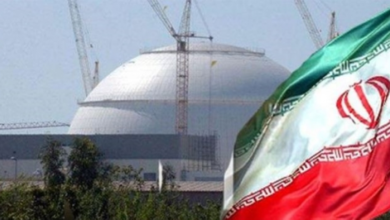
These statements are of paramount importance given their direct impact on the stability of the Middle East. A breakdown in negotiations could lead to further military or security escalation in the region, particularly in light of concerns among US allies in the Gulf and Israel regarding Iranian nuclear expansion.
The US president kept the door open to all possibilities, while indicating that he had not yet made a "final decision" regarding specific military options or launching strikes. However, the field tension remains the dominant factor, coinciding with security warnings and recommendations for American citizens in some hotspots to exercise caution or leave, reflecting the sensitivity of the current situation.
The world remains on tenterhooks to see what the coming days will bring, and whether diplomacy will succeed in bridging the deep gap between Washington and Tehran, or whether the region is heading towards a new chapter of escalation.