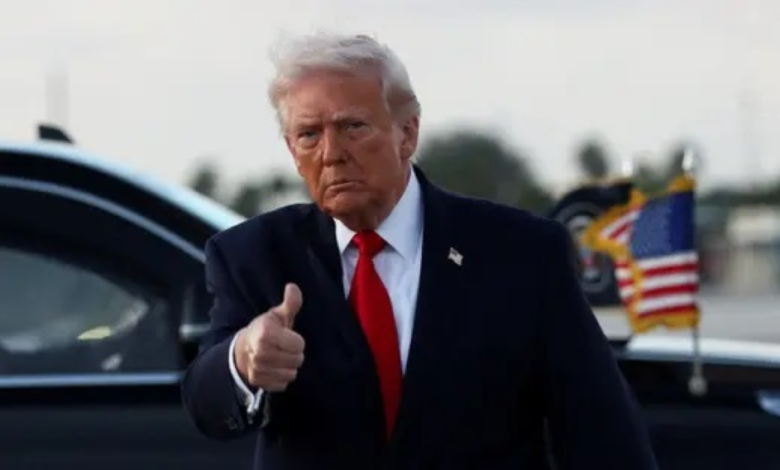

ترامب متفائل: اتفاق مع إيران وفتح مضيق هرمز قد يتم الأسبوع المقبل
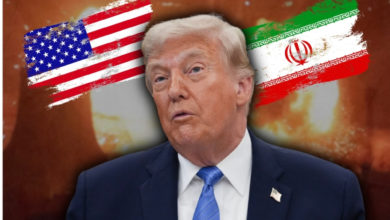
أعلن الرئيس الأمريكي دونالد ترامب عن تفاؤله الكبير بإمكانية التوصل إلى اتفاق مع إيران خلال الأسبوع المقبل، في تطور دبلوماسي قد ينهي حالة التوتر المتصاعدة في منطقة الخليج. وأوضح ترامب أن هذا الاتفاق المحتمل يهدف إلى تمديد وقف إطلاق النار وضمان إعادة فتح مضيق هرمز، الممر المائي الاستراتيجي الذي يعد شريانًا حيويًا لإمدادات الطاقة العالمية. وفي تصريحات لشبكة “إيه بي سي نيوز”، أكد ترامب أن المحادثات مع طهران “تبدو جيدة وتسير بسرعة”، مشيرًا إلى أن الهدف الأساسي هو منع إيران من امتلاك سلاح نووي.
خلفية التوتر وأهمية مضيق هرمز
تأتي هذه التصريحات في سياق فترة من التوتر الشديد بين واشنطن وطهران، والتي تصاعدت عقب انسحاب الولايات المتحدة من الاتفاق النووي لعام 2015 وإعادة فرضها لعقوبات اقتصادية قاسية ضمن حملة “الضغط الأقصى”. وقد ردت إيران على هذه الضغوط بالتهديد المتكرر بإغلاق مضيق هرمز، الذي يمر عبره ما يقرب من خُمس استهلاك النفط العالمي، مما أثار قلقًا دوليًا من اندلاع مواجهة عسكرية قد تعطل إمدادات الطاقة وتؤدي إلى ارتفاع حاد في أسعار النفط. إن أي اتفاق يضمن حرية الملاحة في هذا المضيق سيكون له تأثير إيجابي مباشر على استقرار الاقتصاد العالمي.
تفاصيل الاتفاق مع إيران المرتقب وتداعياته
لم يكشف ترامب عن جميع تفاصيل الإطار المقترح، لكنه ألمح إلى وجود “بعض النقاط الإضافية” التي حالت دون موافقته النهائية بعد، مؤكدًا في الوقت ذاته أن “اتفاق السلام سيكون أفضل من الحل العسكري”. وأضاف الرئيس الأمريكي أنه تدخل شخصيًا لتهدئة التوترات على الحدود اللبنانية الإسرائيلية، مشيرًا إلى أنه تواصل مع كل من حزب الله ورئيس الوزراء الإسرائيلي بنيامين نتنياهو لوقف إطلاق النار المتبادل. ويُنظر إلى هذه الوساطة كجزء من جهد أوسع لبناء الثقة وتهيئة الأجواء لاتفاق أشمل. إن نجاح هذا الاتفاق لن يقتصر تأثيره على العلاقات الأمريكية-الإيرانية فحسب، بل سيمتد ليؤثر على موازين القوى في الشرق الأوسط بأكمله، وقد يخفف من حدة الصراعات بالوكالة في المنطقة.
موقف الحرس الثوري الإيراني
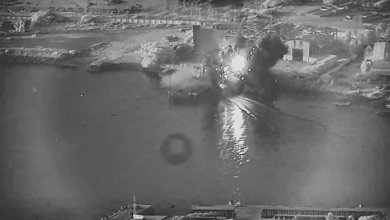
على الرغم من النبرة المتفائلة من الجانب الأمريكي، لا تزال هناك تحديات كبيرة. ففي المقابل، هدد الحرس الثوري الإيراني بـ”فتح جبهات جديدة” إذا واصلت إسرائيل عملياتها العسكرية في لبنان وقطاع غزة. وأكد جهاز استخبارات الحرس الثوري في بيان أن أي تجاوز للخطوط الحمراء سيعني الدخول في “حرب مباشرة” تفرض تكلفة باهظة على أمن إيران القومي. هذا الموقف المتشدد يعكس الانقسامات الداخلية في إيران ويسلط الضوء على العقبات التي قد تواجه أي مسار دبلوماسي، مما يجعل الأيام القادمة حاسمة لتحديد ما إذا كانت لغة الدبلوماسية ستتغلب على طبول الحرب.