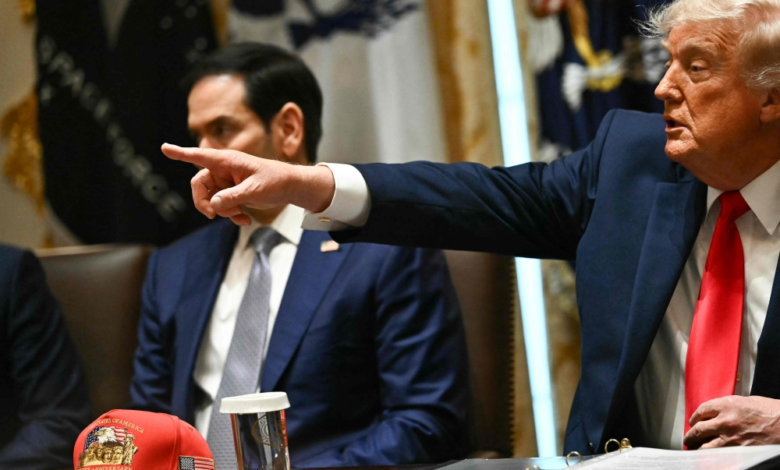

أعلن الرئيس الأمريكي السابق، دونالد ترامب، يوم الجمعة عبر منصته للتواصل الاجتماعي “تروث سوشال”، أنه يستعد لعقد اجتماع حاسم لاتخاذ “قرار نهائي” بشأن اتفاق محتمل مع إيران. وفي منشور مقتضب، كتب ترامب: “سأعقد الآن اجتماعًا في غرفة العمليات لاتخاذ القرار النهائي”، مما أثار موجة من التكهنات حول طبيعة هذا القرار وتوقيته، خاصة في ظل تصاعد التوترات في الشرق الأوسط واقتراب موعد الانتخابات الرئاسية الأمريكية.
السياق التاريخي للعلاقات الأمريكية الإيرانية
تأتي هذه التصريحات في سياق علاقة معقدة ومتوترة بين الولايات المتحدة وإيران تمتد لعقود، وبلغت ذروتها في السنوات الأخيرة حول ملف إيران النووي. في عام 2015، تم التوصل إلى خطة العمل الشاملة المشتركة (JCPOA)، المعروفة إعلاميًا بالاتفاق النووي الإيراني، بين إيران ومجموعة دول (5+1) التي تضم الولايات المتحدة وروسيا والصين وفرنسا وبريطانيا وألمانيا. وبموجب هذا الاتفاق، وافقت إيران على تقييد برنامجها النووي بشكل كبير مقابل رفع العقوبات الاقتصادية الدولية المفروضة عليها.
انسحاب ترامب من الاتفاق وسياسة الضغط الأقصى
إلا أن الرئيس ترامب، خلال فترة ولايته، انتقد الاتفاق بشدة واعتبره “أسوأ صفقة على الإطلاق”، بحجة أنه لم يعالج برنامج الصواريخ الباليستية الإيراني أو سلوكها المزعزع للاستقرار في المنطقة. وفي مايو 2018، أعلن ترامب انسحاب الولايات المتحدة من الاتفاق من جانب واحد، وأعاد فرض عقوبات اقتصادية قاسية على طهران ضمن استراتيجية أطلق عليها اسم “حملة الضغط الأقصى”، بهدف إجبار إيران على التفاوض على اتفاق جديد بشروط أمريكية.
الأهمية والتأثيرات المتوقعة للقرار
يحمل قرار ترامب المحتمل أهمية كبرى على كافة الأصعدة. فعلى الصعيد المحلي، يمكن أن يشكل ورقة انتخابية رئيسية في حملته الرئاسية، حيث يسعى لإظهار قدرته على إبرام صفقات أفضل للولايات المتحدة. أما على الصعيد الإقليمي، فإن أي اتفاق جديد أو حتى العودة إلى المفاوضات سيحظى بمتابعة حثيثة من حلفاء واشنطن في الشرق الأوسط، مثل إسرائيل والمملكة العربية السعودية، الذين يشاركون الولايات المتحدة مخاوفها بشأن طموحات إيران النووية ونفوذها الإقليمي. وقد يؤدي أي تغيير في السياسة الأمريكية إلى إعادة تشكيل التحالفات والتوازنات في المنطقة. دوليًا، سيؤثر القرار على أسواق الطاقة العالمية، حيث يمكن أن يؤدي تخفيف العقوبات إلى عودة النفط الإيراني للأسواق بكميات كبيرة، كما سيؤثر على جهود منع الانتشار النووي والعلاقات مع القوى العالمية الأخرى التي لا تزال أطرافًا في الاتفاق الأصلي.</n