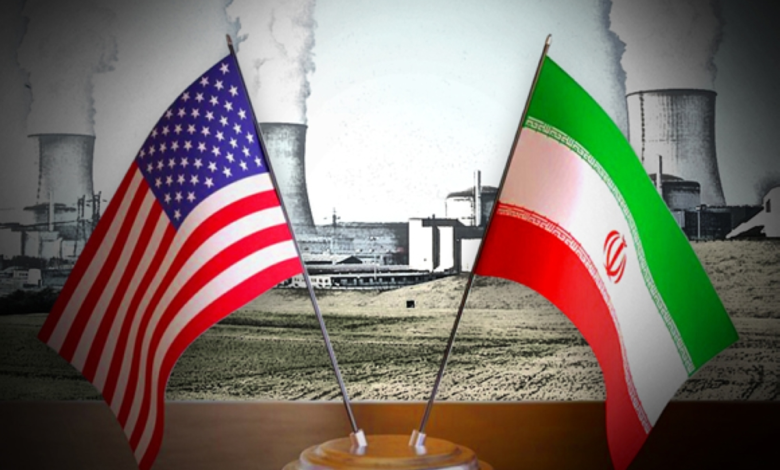
In a new escalation of tensions between Washington and Tehran, US President Donald Trump has set a strict deadline for the Iranian leadership, giving them a maximum of 10 to 15 days to reach a "viable deal," while threatening "bad things" if diplomacy fails. This warning comes amid an unprecedented US military buildup in the region and indirect negotiations taking place behind the scenes.
Warning from the "Peace Council"
During the inaugural meeting of the so-called "Peace Council" in Washington, D.C., Trump declared in a resolute tone: "It has been proven over the years that it is not easy to reach a viable deal with Iran, but we must reach one, or bad things will happen." The U.S. president added, in a tone that carried a veiled threat: "We may have to go a step further, or we may not, or we may reach an agreement. You will probably find out in the next ten days.".
In a subsequent confirmation aboard Air Force One, Trump settled the debate over the timeframe, indicating that the maximum deadline was "10 to 15 days," thus placing the region before two crucial weeks that could determine the future of stability in the Middle East.
Context of the conflict and historical background
This development cannot be separated from the tense historical context of US-Iranian relations, particularly concerning the nuclear issue. Since Washington's unilateral withdrawal from the Joint Comprehensive Plan of Action (JCPOA) in 2018, the United States has pursued a policy of "maximum pressure." Trump's recent statements indicate a US desire to resolve this thorny issue definitively, either through a new agreement on US terms or through a military escalation that could shift the balance of power.
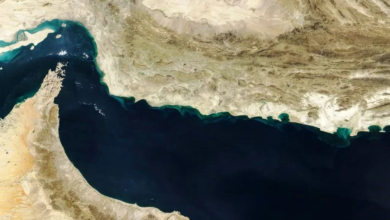
Observers believe the significance of this event lies in its direct impact on global energy security and the stability of the Arabian Gulf region. Any potential military escalation could lead to widespread disruptions in international shipping lanes and a surge in oil prices, making the international community anxiously await the outcome of this brief period.
Diplomacy under pressure from battleships
While fiery rhetoric rages, the United States continues to bolster its military presence. Washington has deployed an aircraft carrier hundreds of kilometers from the Iranian coast, with a second carrier moving toward the Middle East, supported by squadrons of warplanes and tens of thousands of troops at regional bases, in a clear message of deterrence to Tehran.
Despite the threatening rhetoric, diplomacy has not completely broken down. The two sides resumed indirect talks mediated by Oman on February 6, followed by a second round in Geneva last Tuesday. On Wednesday, Tehran revealed it had prepared a "draft framework" to advance these negotiations, in an attempt to appease American anger and avert the worst-case scenario.
Tehran: Enrichment is a sovereign right
In contrast, Iran maintains its principled stance. Mohammad Eslami, head of the Atomic Energy Organization of Iran, defended his country's right to a peaceful nuclear program that includes uranium enrichment. In televised remarks, Eslami stated, "The foundation of the nuclear industry is enrichment. You need nuclear fuel, whatever you want to do in the nuclear process," emphasizing that the Iranian program is progressing in accordance with the rules of the International Atomic Energy Agency.
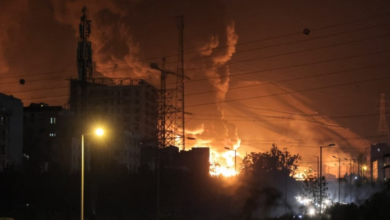
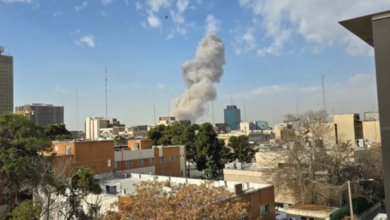
In a related development, Iranian Foreign Minister Abbas Araqchi contacted Rafael Grossi, Director General of the International Atomic Energy Agency (IAEA), who expressed the agency's readiness to support verification of the peaceful nature of Iran's nuclear program. This comes after a period of tension that saw Iran suspend its cooperation and restrict access for inspectors, particularly following the recent military events in June, which included attacks on nuclear sites.