Trump reveals when he will send ground troops to Iran and details of the strike

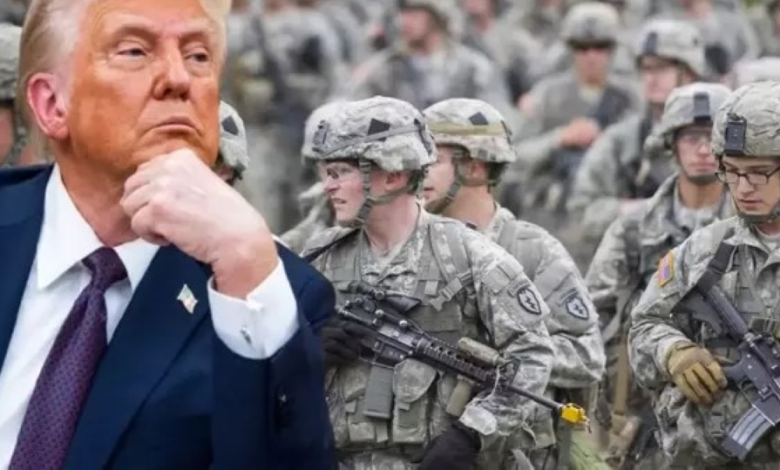
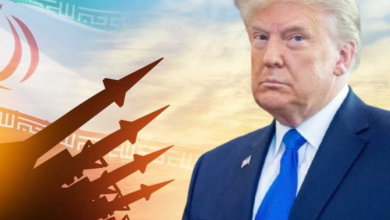
In a further escalation of military rhetoric, US President Donald Trump on Monday his complete readiness to send American ground troops into Iranian territory if necessary. These statements confirm that the ground military option is not off the table for the current US administration, with Trump emphasizing that his military possesses the capabilities to wage a war that could last more than four or five weeks.
Last chance to strike nuclear capabilities
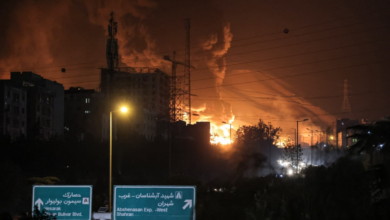
During a ceremony at the White House , the US president described the current situation as “the last and best chance” to deliver a decisive blow to Iran. Trump indicated that the main wave of US attacks had not yet begun, opening the door to widespread speculation about the nature of the upcoming military operations. Trump focused his remarks on the threat posed by Iran’s arsenal, explaining that the Iranian regime possesses long-range missiles and is striving to acquire nuclear weapons, which he deemed an intolerable threat to both the Middle East and US national security.
Pentagon statements and maximum readiness
In a related development, US Defense Secretary Pete Hegseth confirmed at a press conference that Washington has not yet deployed any troops inside Iran, but he emphasized in a firm tone the readiness of US forces to go "as far as possible" in this conflict. These statements reflect the high level of coordination between the White House and the Pentagon in managing the Iranian issue, with the threat of maximum force being brandished as a primary deterrent.
Trump to New York Post: I'm not like previous presidents
In an interview with the New York Post, Trump distinguished himself from previous presidents, saying, “I’m not afraid to send ground troops like all these presidents who say, ‘We’re not going to send ground troops.’” He elaborated on his strategy, adding, “I’m not saying that… I’m saying we probably won’t need to, or if we do.” This statement leaves the door open to all scenarios and places Tehran under unprecedented psychological and military pressure.
Background of the conflict and its regional repercussions
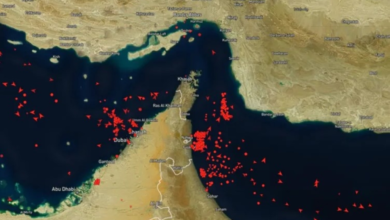
These developments come at a time of highly complex geopolitical tensions in the Middle East. While US-Iranian relations have been historically hostile for decades, the threat of direct ground intervention represents a significant shift in the rules of engagement. Observers believe that any large-scale military action could have serious repercussions for global energy markets, particularly given the threat to vital waterways, and could potentially ignite other conflicts in the region through local proxies. This makes the coming weeks crucial in determining the course of regional and international stability.